




Stay up to date, subscribe to our newsletter!

Subscribe
Customer Log in GLM
Beontag

Graphics and Label Materials

Graphics and Label Materials

A wide range of labeling, self-adhesive, special papers, and other graphic and label materials

Learn more - Graphics and Label Materials

Resources

Image without altDatasheetsImage without altBrochuresImage without altStock and Trim Free Guide

Categories

See all - Categories

Pressure-sensitive adhesive - Categories
Prime Papers - Prime PapersVariable Info - Variable InfoDigital Variable Info - Digital Variable InfoFilms - FilmsSpecialty Beverage - Specialty BeverageSpecialty Papers & Films - Specialty Papers & Films
Paper Grades - Paper GradesFluorescents & Astrobrights - Fluorescents & AstrobrightsSpecialty Grades - Specialty GradesFilms & Foils - Films & Foils
Transfer-adhesive - Transfer-adhesive
Release Liner - CategoriesSustainable Products - Categories

Applications

See all - Applications

Health and Beauty Product - CategoriesLabel Materials for Cannabis Products - CategoriesLumber and Outdoor Tag Material - CategoriesBumper Sticker Products - CategoriesTextile and Garment Labels - CategoriesTight Mandrel - CategoriesTosca RPC Approved Labels - CategoriesSmall Office & Home Office Applications - CategoriesFood Packaging Tamper-Evident Label Products - Categories

RFID and IoT Enablers

RFID and IoT Enablers

A wide range of IoT enablers and smart tags, such as RFID, NFC and BLE, to connect billions of items worldwide.

Learn more - RFID and IoT Enablers

Resources

Image without altBrochures

Categories

See all - Categories

RFID and NFC Tags & Inlays - CategoriesBLE Tags - CategoriesSpecialty Labels - CategoriesOn Metal Labels - CategoriesHard Tags - CategoriesSustainable Products - Categories

Applications

See all - Applications

Inventory Management - CategoriesLogistics and Supply Chain - CategoriesMass Market - CategoriesBeauty and Personal Care - CategoriesAutomotive - CategoriesPayments - CategoriesSmart Cities - Categories

Applications

Personal and Home CareFood and BeverageHealthcare and PharmaceuticalSupply Chain and LogisticsMass Market and RetailIndustrial and Durable GoodsElectronic and ElectricalSee all applications

About us

About usESGCertifications & RecognitionsCareers

Newsroom

CasesPress ReleasesBlogBrochures
Contact Us
Subscribe
Customer Log in GLM
Beontag
Graphic and Label MaterialsRFID and Iot Enablers

Beontag

About usESGCareersCertificationsCompliancePrivacy Policy

Newsroom

CasesPress ReleasesBlogBrochuresContact us

© 2024 All rights reserved.
FutureBrand

Background blue shapeBackground blue shape

Change country/region?

You're viewing our available portfolio for

Our portfolio may vary depending on your location. Please choose the region or country according to where you are.

Change my country/region

Labeling Low-Surface-Energy Plastics PP and PE: How to Ensure Reliable Adhesion

Last Updated: 22/10/2025, 08:02h

Polypropylene (PP) and polyethylene (PE) are low-surface-energy plastics with slick, non-polar surfaces that resist adhesives, making labeling difficult. Keep reading to understand more and discover Beontag’s reliable solutions for long-lasting labeling.


Background blue shapeBackground blue shape rotate-180

When it comes to packaging and consumer goods, labeling low surface energy plastics is one of the most common yet complex challenges faced by brands and manufacturers.  

Polypropylene (PP) and polyethylene (PE) dominate bottles, containers, and flexible films, but their slick surfaces resist adhesives. Ensuring labels stay in place is critical for branding, compliance, and consumer trust. 

The problem arises because standard adhesives struggle to bond with these substrates. As a result, labels may peel, bubble, or fail during handling, transport, or storage.  

For industries like food, personal care, and pharmaceuticals, such failures risk costly recalls and reputation damage. A reliable solution is therefore essential. 

The good news is that advances in adhesive technology, facestock innovation, and surface treatments now make it possible to achieve secure, long-lasting bonds even on these difficult plastics.  

With Beontag’s expertise, businesses can ensure their labels adhere effectively.  

Keep reading to discover the key strategies and benefits. 
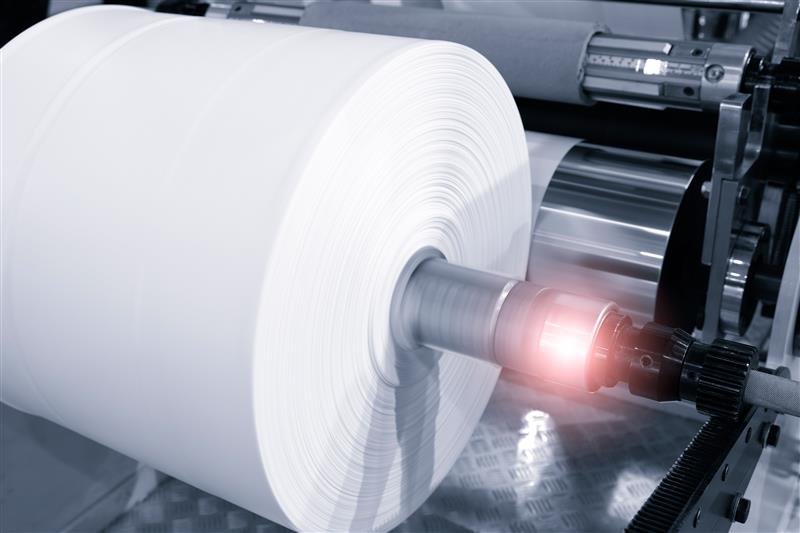
Large industrial roll of white paper or film material on a production machine in a manufacturing facility.

What are low-surface-energy (LSE) plastics? 

Low-surface-energy plastics are materials with non-polar molecular structures that resist wetting and bonding.  

Surface energy is measured in dynes per centimeter; materials like metals or glass have high surface energy, making them easier to label.  

By contrast, PP and PE have low values, typically under 34 dynes/cm, complicating adhesion. 

PP (polypropylene) and PE (polyethylene) are especially difficult for labeling low surface energy plastics.  

Their widespread use in caps, bottles, films, and flexible pouches means manufacturers often struggle with peeling or poor label performance.  

These substrates demand specialized adhesives and application techniques to ensure reliability. 

Applications are broad:  

  • household chemical bottles;  
  • shampoo containers; 
  • food pouches; 
  • industrial packaging. 

all frequently use PP or PE. In such cases, ensuring the label not only sticks but remains legible through moisture, heat, and friction is fundamental to product integrity and consumer confidence. 

See more information about Beontag‘s Graphics and Labels. 

Why Label Adhesion Fails on PP and PE 

Labeling low surface energy plastics is difficult because the molecular structure of PP and PE resists interaction with adhesives.  

Unlike higher-energy plastics, these materials lack polar sites for bonding, meaning that even strong adhesives may not spread effectively across the surface. 

Environmental conditions amplify this issue. Humidity, oil residues, or temperature fluctuations can quickly compromise the bond.  

A label that looks secure in a factory environment may peel during refrigeration, shipping, or retail display. The result is reduced product appeal and compliance risks. 

Additionally, PP and PE surfaces vary. Blow-molded bottles, injection caps, and stretch films can have micro-roughness or additives that further complicate adhesion.  

This variability requires tailored solutions rather than a one-size-fits-all approach. 

Surface Energy Comparison – PP vs PE vs Other plastics 

Material Surface Energy (dynes/cm) Labeling Difficulty 
Polyethylene (PE) 31-33 High 
Polypropylene (PP) 29-31 Very High 
PVC 39-41 Moderate 
PET 43-47 Low 
Glass 200-500 Very Low 

This comparison shows why labeling low surface energy plastics is uniquely challenging compared to PET or PVC. 

Environmental Factors 

Environmental stressors play a major role in label adhesion failures. Exposure to moisture in refrigerated goods, oils in cosmetics, or heat in logistics environments can break bonds.  

UV light and chemical exposure also degrade adhesives over time, especially in outdoor or industrial applications. 

Surface contamination is another hidden factor. Mold release agents, dust, or plasticizers can reduce surface energy even further, making labeling low surface energy plastics inconsistent.  

Without proper treatment or cleaning, labels are likely to fail prematurely. 

Check Beontag’s sustainable products for Graphics and Labels. 

Solutions for Labeling PP and PE 

To overcome these obstacles, manufacturers must combine smart adhesive technology, surface treatments, and material choices.  

Each solution complements the others, ensuring labels not only adhere initially but also withstand environmental and handling stresses. 

Adhesive Selection 

High-tack adhesives are often the first line of defense. Solvent-based adhesives can penetrate low-energy surfaces, while modified acrylics offer long-term clarity and UV resistance.  

Hot-melt adhesives are ideal for fast application lines but must be formulated for LSE plastics. Selecting the right chemistry is critical for reliability. 

Beontag provides a wide portfolio of adhesives engineered for labeling low surface energy plastics.  

From high-performance acrylics to hot-melt technologies, their range ensures the right balance of initial tack, long-term durability, and application speed. 

Surface Treatments 

Surface treatments increase the surface energy of PP and PE, allowing adhesives to wet out more effectively.  

Corona treatment is common in films and packaging, creating temporary polarity on the surface. Flame and plasma treatments also oxidize the surface, boosting adhesion. 

These methods are particularly useful for flexible packaging and films, where smoothness and slip additives reduce adhesion.  

For critical applications, combining treatment with specialized adhesives ensures dependable labeling. 

Primers and Coatings 

In some cases, primers or coatings act as a bridge between the low-energy substrate and the adhesive.  

Primers are thin layers applied to containers or films to raise surface energy, making it easier for adhesives to form bonds. 

This solution is useful in industries requiring extra security, such as automotive or medical.  

By integrating primers, labels maintain adhesion under high stress and environmental exposure, making them more reliable in challenging conditions. 

Facestock Considerations 

Choosing the right facestock is just as important as selecting adhesives. Paper labels may struggle on curved or flexible PP and PE containers, while film facestocks offer conformability and resilience.  

Flexible facestocks prevent lifting on squeezable bottles and pouches, ensuring long-term performance. 

Beontag develops advanced facestock options tailored to demanding environments.  

Whether requiring high gloss for brand appeal or matte films for durability, facestock choice directly influences label performance on low-surface-energy plastics. 

Printing Techniques and Best Practices 

Reliable labeling low surface energy plastics requires more than adhesives. Printing techniques also affect durability.  

UV-flexo, digital, and thermal transfer printing must be compatible with chosen facestock and adhesives.  

Proper ink anchorage is essential to prevent smearing or fading. 

Best practices include pre-testing labels under real-life conditions. Manufacturers should simulate temperature cycles, moisture, and handling stress before full-scale rollouts.  

This ensures that printed information remains intact and compliant throughout the product’s lifecycle. 

Beontag integrates printing expertise into its solutions, ensuring high-quality graphics and barcodes that withstand logistics and retail handling.  

This holistic approach delivers not only adhesion but also visual excellence. 

Durability and Long-Term Performance 

Durability defines successful labeling on PP and PE. Adhesion must endure refrigeration, transportation vibration, and consumer use.  

Poor performance risks the brand reputation and regulatory non-compliance. For industries like healthcare or food, durability is not optional, it is mandatory. 

Testing under accelerated conditions helps verify long-term performance. Labels exposed to humidity chambers, UV light, and chemical resistance tests provide assurance before market release.  

This validation step is critical when labeling low surface energy plastics. 

Beontag supports customers with durability testing and performance guarantees. Their portfolio combines adhesive innovation, facestock resilience, and compliance assurance, ensuring that labels remain secure and legible for the product’s full life cycle. 

Choosing the Right LSE Label Solution 

Real-world cases highlight the importance of tailored solutions for labeling low surface energy plastics.  

Beontag has supported companies across sectors in overcoming these challenges.  

For example, their solutions for automotive fluid containers ensured labels withstood chemical exposure while maintaining adhesion on PE surfaces. 

In the food sector, Beontag enabled reliable labeling on squeezable condiment bottles, combining flexible facestocks with high-tack adhesives.  

This prevented peeling even in refrigerated and greasy conditions. Such performance ensured both compliance and consumer satisfaction. 

Another case involved industrial chemical drums made of PP.  

By leveraging specialized adhesives and surface treatments, Beontag helped the client achieve durable labels resistant to solvents, UV, and rough handling.  

These examples illustrate the power of tailored, science-backed solutions. 

Check out here to see all Beontag’s applications. 

Partner with Beontag for Reliable LSE Labeling 

Labeling low surface energy plastics does not have to mean unreliable performance. With Beontag, businesses gain access to adhesives, facestocks, and integrated solutions engineered for PP and PE.  

From consumer goods to industrial packaging, Beontag ensures your labels stay secure, legible, and compliant. 

Discover how Beontag’s innovation in labeling low surface energy plastics can strengthen your brand presence, streamline logistics, and reduce failure rates.  

Visit our catalog and contact us now for personalized solutions.  

Jar of blueberry jam labeled “100% natural” next to a bowl, with the text “Rethink What’s Possible with Our GLM Solutions” displayed on the left.

You may also like to see

Stacks of plastic trays filled with raw chicken pieces, sealed with clear film and labeled, displayed in a refrigerated store case.

Papers vs Films (PP/PE/PET) for Facestock Labels: Which One Is Right for Your Application?

line shape
Blue glass serum dropper bottle labeled “beontag Serum” on a light gray background, casting a soft shadow.

Clear label guide: What they are and how to pick the best label materials

line shape
Glass-front convention center with flags and taxis outside, representing the venue and atmosphere of NRF 2026.

NRF 2026: How Beontag and Temera Are Leveling Up the Retail Experience

line shape
Engineer wearing a safety helmet uses a laptop to monitor production data on an automated factory floor with robotic arms in the background.

What RFID Actually Does for Supply Chain management? Learn Benefits & Applications

line shape
Close-up of RFID inlays being produced on a smart label manufacturing roll.

Learn what RoHS compliance is and how it works for RFID labels and tags

line shape
Hands placing a shipping label on a cardboard parcel on a desk with packing tape, string, calculator, laptop and barcode scanner.

Paper or BOPP Labels? Key Differences and How to Choose the Right One

line shape
Vacuum-sealed beef steak in a black plastic tray with a Beontag security and product label on top, including weight, price, and handling instructions.

RFID in the Cold Chain: How It Works and Why This Technology Is a Game Changer

line shape
Cardboard shipping box on a conveyor belt with a Beontag RFID shipping label on the front.

How RFID Asset Tracking Works – and the Benefits You Should Know

line shape
Pressure-sensitive label web being slit into narrow strips on an industrial converting press.

Pressure-Sensitive or Glue-Applied Labels: Which Is Right for Your Product?

line shape
Warehouse worker in a white hard hat scanning a shrink-wrapped pallet with a handheld barcode/RFID reader for inventory tracking.

Choosing the Right RFID Reader: Types, Uses, and What to Know

line shape
Hands applying a shipping label to a cardboard box with a “thank you” sticker.

The Difference Between Coated and Uncoated Paper for Labels – and How to Decide

line shape
Close-up of a white hoodie with a black hang tag labeled “Beontag Vintage Clothing – Hoodie,” showing branding and product identification.

UHF or HF RFID? Understand the Differences, Applications, and Which One to Use

line shape

Explore more products that may interest you

Paper card to access controlline shape

RFID Sustainable Products

Bio Paper Card – HF NFC Sustainable Key Card for Access & EV Charging

NFC / Dimensions 85,5 x 54mm

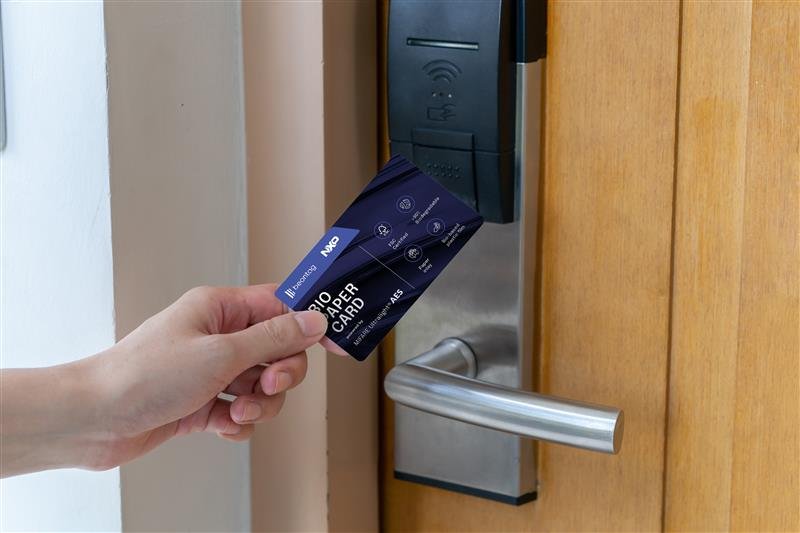
Beontag's Bio Paper Card is a sustainable, high-performance alternative for access control applications. This paper-based HF RFID card is ideal for limited-use tickets and key cards, offering a seamless user experience and reducing environmental impact compared to traditional plastic cards, while delivering the same levels of performance in terms of read range and reliability. Available also with NXP® Semiconductors MIFARE® DUOX for electric vehicle (EV) charging, ensuring security, quality and trust for authentication and payments at Charge Pint Operators (CPOs), E-Mobility Service Providers (EMSPs), and EVSE Equipment Providers.

See datasheet

Image without altline shape

Specialty RFID Labels

Carrier Dual RFID – Dual Frequency UHF & NFC Tag for Logistics and Retail

Dual frequency / Antenna 33 x 67 mm

Best-in-class dual frequency product for RTIs and other applications that require the long-range RAIN RFID functionality for supply chain management and inventory counting but also NFC interface for consumer interaction at the point-of-delivery. Shared memory makes data handling easy via both interfaces.

See datasheet

microwave rfid tagline shape

Specialty RFID Labels

Carrier eWave - UHF RFID Label for Reusable Packaging and Microwave Resistance

UHF RFID / Antenna 38 x 10 mm

Carrier eWave is a washable, industrial-grade UHF label, compliant with microwave ovens, ideal for returnable and reusable food packaging applications, as it ensures circularity, asset management and supply chain processes while being safe and resistant.

See datasheet

Image without altline shape

Specialty RFID Labels

Carrier KLT – UHF RFID Label for Automotive Supply Chain (VDA 4500)

UHF RFID / Antenna 20 x 88 mm

Carrier KLT is a VDA 4500 compliant RFID label specifically designed for automotive industry applications. It is also available with optional protective layer for better printing durability and uses the same antenna design as Carrier PRO with proven performance.

See datasheet

Image without altline shape

Specialty RFID Labels

Carrier Pro – UHF RFID Tag for Asset Tracking and High Water Content Products

UHF RFID / Antenna 20 x 88 mm

Carrier Pro offers larger area for visual printing. Unique antenna design offers reliable tracking even when close to products that have high water content.

See datasheet

Image without altline shape

RFID Hard Tags

Carrier Tough Slim – Durable UHF RFID Hard Tag for Industrial Asset Tracking

UHF RFID / Dimensions 122 x 18 x 2 mm

Designed for the harshest environments, Carrier Tough Slim provides you the robustness of hard tags with full personalization options.

See datasheet

Image without altline shape

RFID and NFC Tags & Inlays

Crosswave Neo – UHF RFID Tag with 360-Degree Readability Logistics and Supply Chain

UHF RFID / Antenna 46,5 x 72 mm

Unique dual-dipole behavior combined with performance of the latest IC generation. 360-degree readability offers reliable and fast logistics even in challenging environments.

See datasheet

Image without altline shape

Specialty RFID Labels

Cruiser Headlamp – Transparent UHF RFID Tag for Automotive and Vehicle Tracking

UHF RFID / Antenna 8,5 x 87 mm

Transparent and small Cruiser Headlamp label is an excellent choice for headlamp use in cars and motorcycles. All its materials are tested against chemicals, high temperatures and UV light. Its infrared protection guarantees optimal performance.

See datasheet

Image without altline shape

Specialty RFID Labels

Cruiser Windshield Crypto – UHF RFID Tag with Encryption for Vehicle Identification

UHF RFID / Antenna 11 x 93 mm

Cruiser Windshield Crypto label enables fast and secure transactions with its encryption feature. The data encryption prevents frauds while the IC's fast readability is maintained at the same time. Long reading distance and durable materials make sure traffic flow is not interrupted.

See datasheet

Image without altline shape

Specialty RFID Labels

Cruiser Windshield – Tamper-Evident UHF RFID Label for Fast Vehicle Identification

UHF RFID / Antenna 88 x 20 mm

Cruiser Windshield label offers full customization and encoding options with tamper-evident security. The label is especially designed for fast and reliable vehicle identification.

See datasheet

Image without altline shape

Specialty RFID Labels

Eclipse – Compact NFC RFID Tag for Retail and Anti-Counterfeiting

NFC / Antenna 21,75 x 11,85 mm

Eclipse are compact tags designed to meet the specific demands of retailers. The small size makes them the ideal choice for retail and apparel applications that leverage NFC technology for customer experience, authentication, and anti-counterfeiting applications. These tags come with additional protection features such as memory with security mechanisms and 3 pass mutual authenticarion process, to ensure privacy of users' data during interactions

See datasheet

Image without altline shape

RFID Sustainable Products

RFID and NFC Tags & Inlays

ECO Bale - Sustainable UHF RFID Tag for Pulp Bales

UHF RFID / Antenna 94 x 24 mm

ECO Bale is designed and optimized for tagging pulp bales and complies with the special requirements of the pulping process. ECO Bale enables end-to-end traceability until the bale, with the tag included, enters the papermaking process and dissolves.

See datasheet