





Understanding RFID Hard Tags: Function, Benefits, and Selection

Stay up to date, subscribe to our newsletter!
SubscribeThe labeling trends that are shaping PSA for labels in 2026 include circular packaging, cleaner chemistry, waste reduction, smart identification, and high-speed automation. These trends are redefining adhesive performance, recyclability, and compliance requirements. See more details!


Labeling trends are not driven by aesthetics or cost efficiency only. They now reflect broader shifts in sustainability, digitalization, automation, and regulatory pressure. As labels become more functional and integrated into packaging strategies, pressure-sensitive adhesives must evolve to meet new technical and environmental expectations.
Many companies still underestimate how deeply labeling trends influence adhesive performance requirements. Adhesives are expected to bond to complex substrates, survive extreme conditions, and support recycling systems, all while enabling faster production and smarter identification. This growing complexity creates both risks and opportunities for material innovation.
The following sections we’ll explore the trends, challenges, and solutions redefining PSA development, helping readers navigate what comes next and continue exploring this evolving landscape.
The labeling trends for 2026 reflect a convergence of sustainability goals, operational efficiency, and digital transformation. Pressure-sensitive adhesives sit at the center of this evolution, as they directly influence recyclability, automation compatibility, and label performance across industries.
These trends are not isolated and understanding how these forces interact is essential for anticipating future PSA requirements. Below we explain the key labeling trends expected to shape adhesive innovation and selection strategies as the global label market continues to grow and diversify across markets.
Circular packaging is one of the most influential labeling trends shaping adhesive development. Labels must now support recycling, reuse, or recovery systems without contaminating material streams or compromising package integrity during use.
Pressure-sensitive adhesives play a critical role in enabling circularity, especially in wash-off and clean-removal systems. Adhesives must perform reliably during product life, then disengage efficiently during recycling processes.
As circular models expand globally, adhesive materials are being redesigned to align with recycling guidelines, reinforcing the strategic importance of PSA innovation within sustainable labeling systems.
Cleaner chemistry reflects the demand for safer, more transparent material formulations. Labeling trends increasingly favor adhesives with reduced hazardous substances, improved regulatory compliance, and lower environmental impact.
This shift affects raw material selection, formulation methods, and traceability requirements. Adhesives must meet stricter standards without sacrificing performance across temperature, humidity, or chemical exposure.
Cleaner chemistry is not only a regulatory response but also a trust-building mechanism, supporting brands seeking safer, more responsible labeling solutions across global markets.
Waste reduction drives labeling trends focused on material efficiency, downgauging, and process optimization. Adhesives must enable thinner constructions while maintaining bond strength and durability.
Production waste is also under scrutiny. Adhesives compatible with high-speed automation and consistent coating help reduce rejections, downtime, and material loss during converting and application.
As waste reduction becomes a measurable KPI, PSA performance is evaluated not only in use but across the entire value chain, from manufacturing to end-of-life.
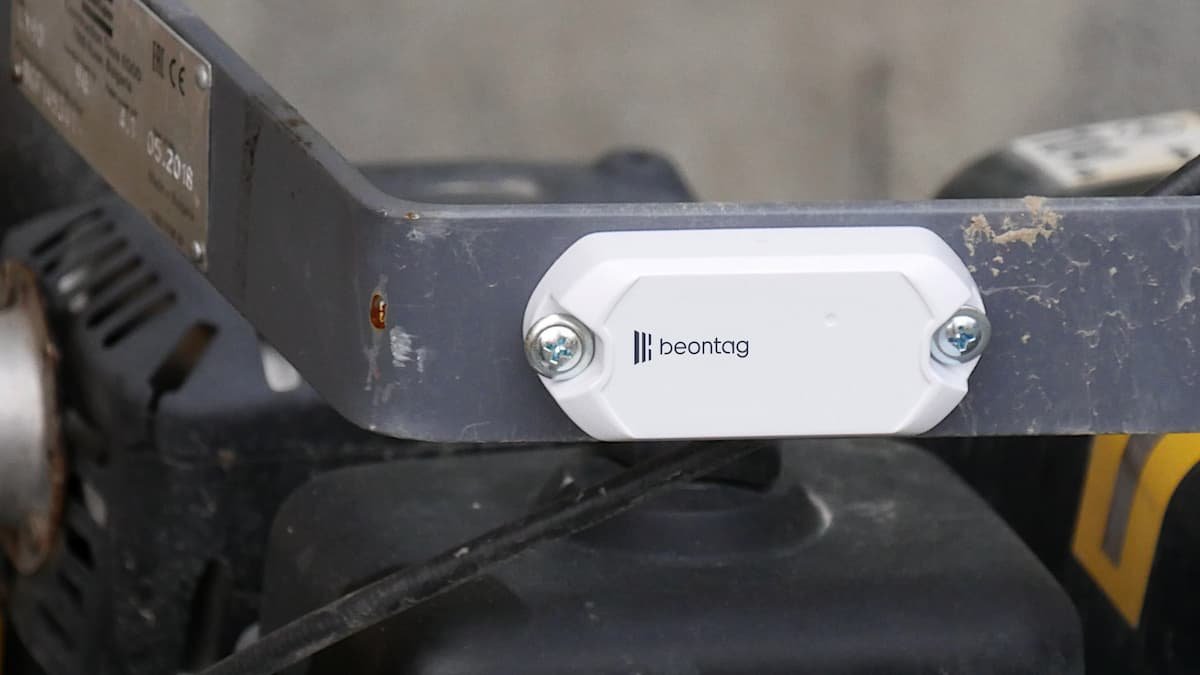
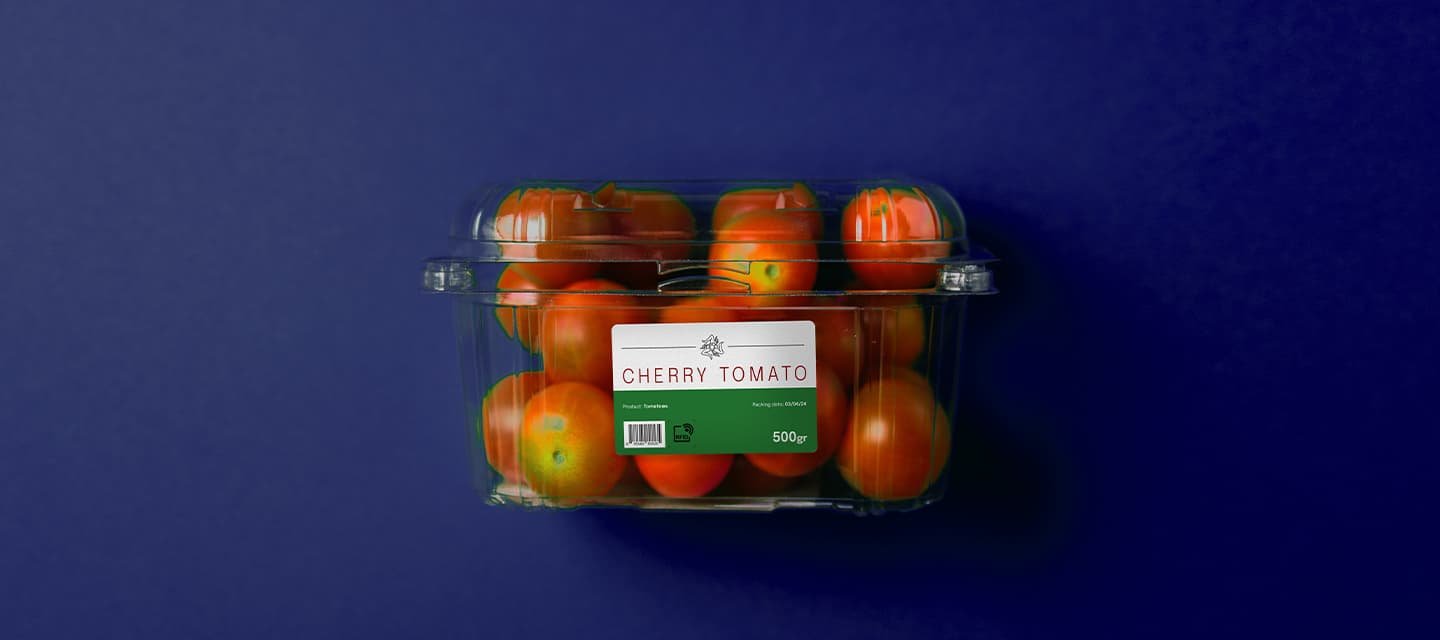
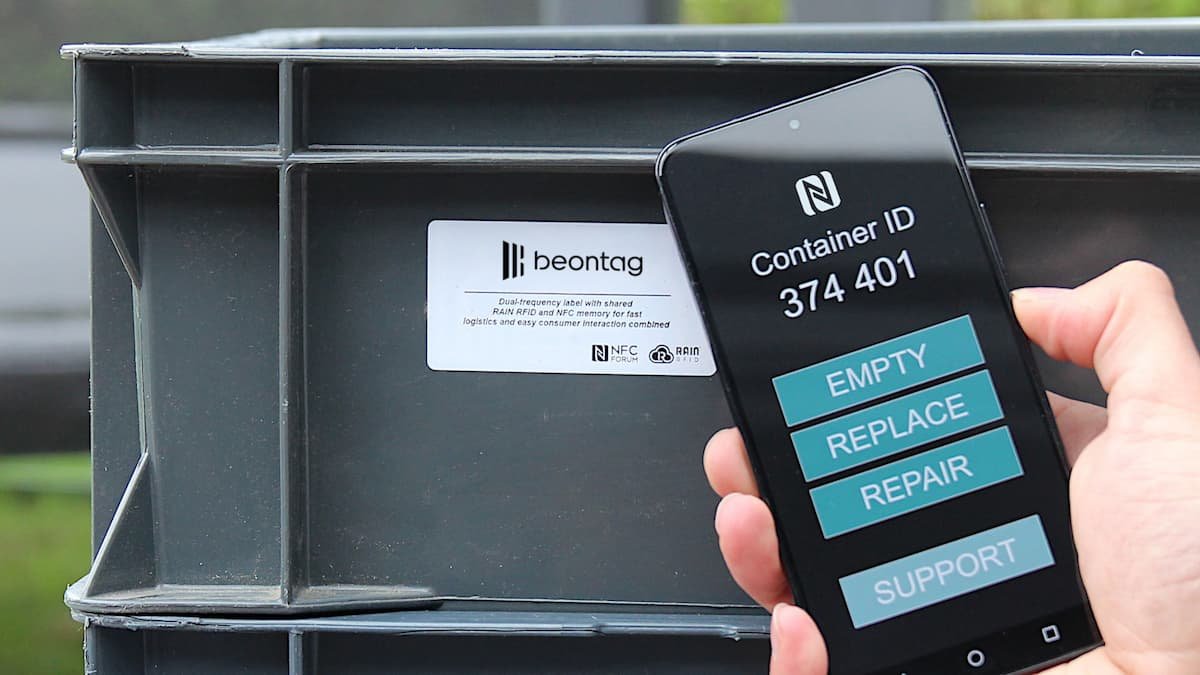
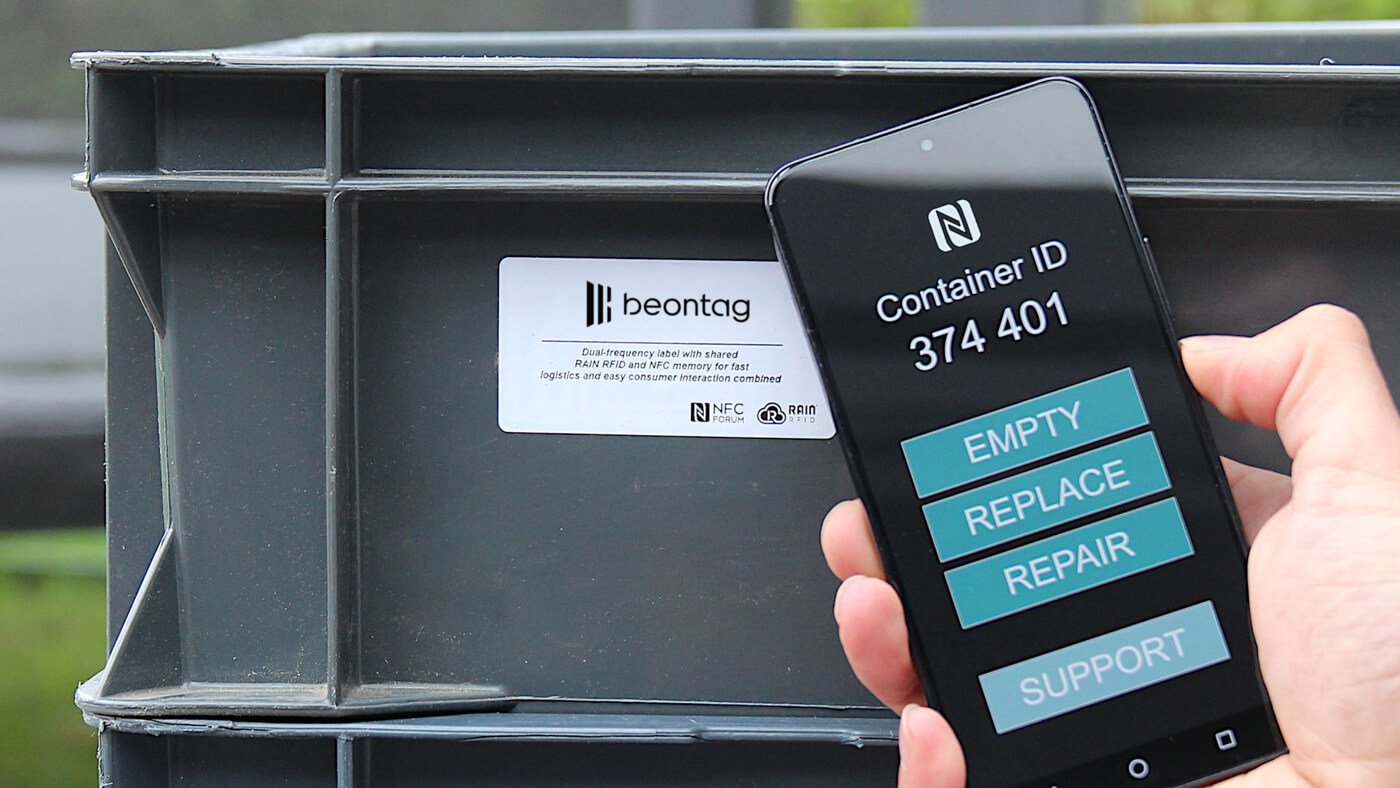
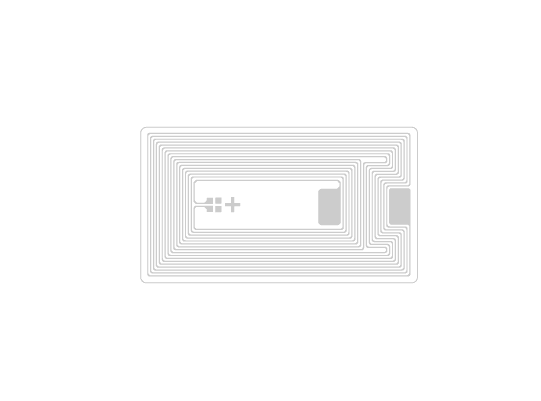
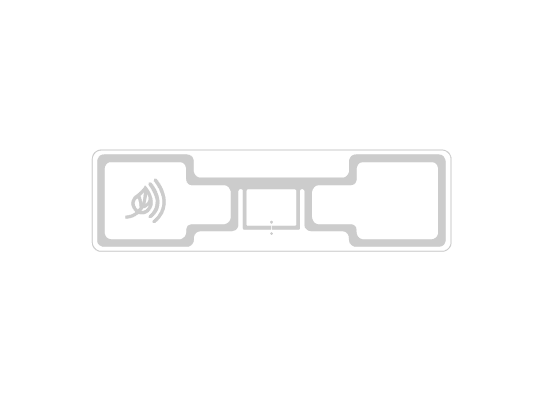
Smart identification continues to expand through RFID, variable data printing, and traceability solutions. Adhesives must support these technologies without interfering with signal performance or data readability.
Labels carrying smart components often face longer lifecycles and more demanding environments. Adhesives must ensure dimensional stability, consistent adhesion, and resistance to handling and friction.
This trend reinforces the role of adhesives as enablers of connected packaging, where reliability and precision are non-negotiable.
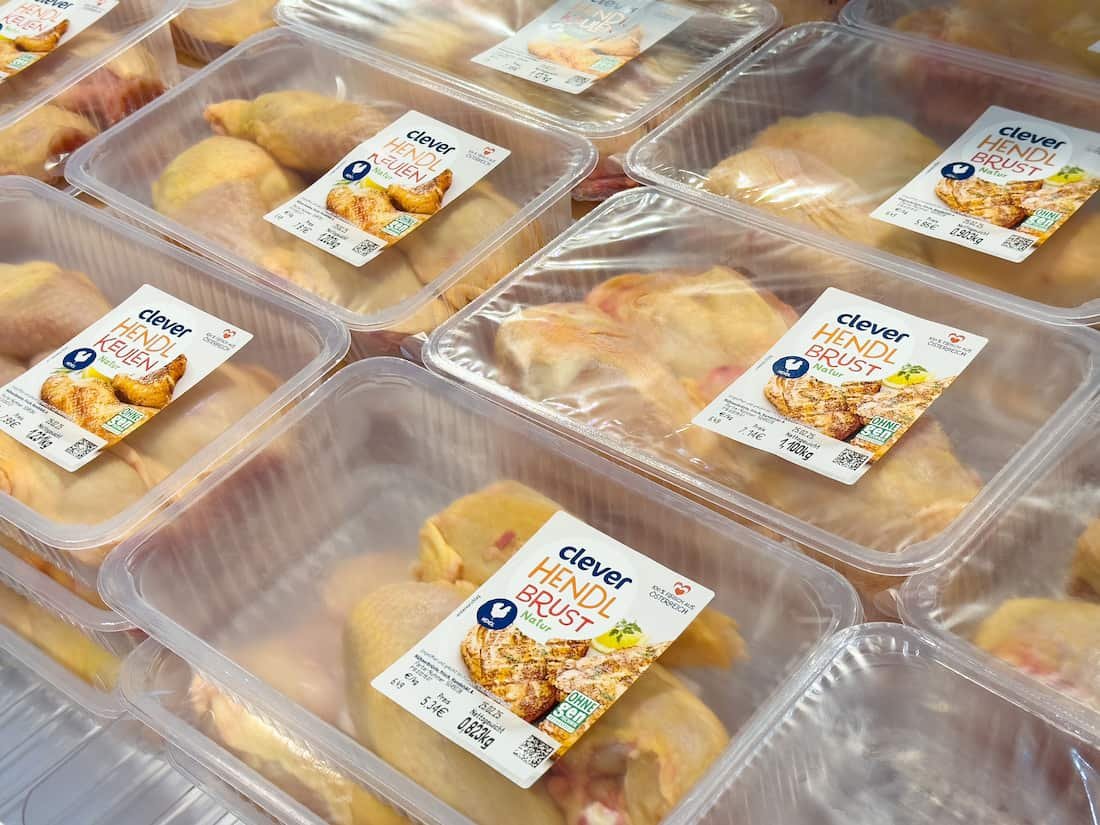
Variable data labeling accelerates due to personalization, compliance, and logistics demands. Labels increasingly carry unique information, requiring consistent placement and adhesion accuracy.
Pressure-sensitive adhesives must perform uniformly across high-mix, low-volume runs without causing misalignment or application errors at speed.
As labeling trends move toward mass customization, adhesive consistency becomes a critical factor in maintaining efficiency and data integrity.
High-speed automation is reshaping labeling operations globally. Adhesives must perform reliably at faster line speeds, with controlled track, shear resistance, and clean release behavior. Automation amplifies even small adhesive inconsistencies, making material quality and formulation stability essential.
Adhesives that support process reliability directly impact productivity and cost control. This trend highlights why PSA selection is increasingly strategic rather than purely technical.
Sustainability has moved from a differentiator to a baseline expectation in label design. Labeling trends now prioritize compatibility with recycling systems, material reduction, and responsible sourcing.
Designers and engineers must collaborate earlier to ensure adhesives align with sustainability goals without compromising functionality. Adhesive performance is no longer evaluated independently from environmental impact, although it is very important.
As sustainability metrics become standardized, adhesives are increasingly assessed based on their contribution to circularity, compliance, and overall packaging performance.
Check out Beontag’s sustainable products for Graphic and Label Materials.
Design for recyclability is becoming a baseline because labeling trends increasingly treat packaging as an integrated system rather than separate components. Labels and pressure-sensitive adhesives must now support recycling efficiency from the start, ensuring materials perform during use while allowing clean processing at end of life.
Wash-off adhesive systems support a circular future by allowing labels to detach cleanly during recycling processes, especially in PET streams. These systems ensure that labels remain firmly attached during product use but release efficiently under controlled washing conditions, preserving material quality and enabling higher recycling yields aligned with evolving labeling trends.
By preventing adhesive residue, discoloration, or contamination, wash-off systems improve the purity of recycled plastics. This is increasingly critical as recyclers demand cleaner input materials. Labeling trends focused on circular packaging now require adhesives to actively contribute to recyclability, rather than simply avoiding interference with recycling operations.
An example of this approach is Beontag’s PET wash-off adhesive, which received APR Design® Recognition for meeting critical recycling criteria. This recognition highlights how pressure-sensitive adhesive materials can combine reliable label performance with proven compatibility in PET recycling processes, reinforcing wash-off systems as a practical solution for circular packaging models.
Packaging innovation continues to challenge traditional adhesive assumptions. New formats demand adhesives capable of bonding to diverse surfaces while maintaining durability and process efficiency.
The latest labeling trends increasingly reflect the complexity of modern packaging, because flexibility and protection requirements intersect.
Here are key packaging formats that will influence the next generation of pressure-sensitive adhesive performance expectations.
Low-energy plastics such as PE and PP remain challenging substrates. Adhesives must be engineered to achieve sufficient wetting and long-term adhesion.
As these materials dominate lightweight and flexible packaging, PSA innovation focuses on reliability without excessive material use.
This trend reinforces the need for specialized adhesive formulations aligned with evolving packaging materials.
Textured and embossed surfaces enhance shelf appeal but complicate adhesion. Labels must conform without lifting or visual defects.
Adhesives require optimized flow and cohesion to maintain contact across uneven substrates.
Labeling trends favoring tactile packaging directly influence adhesive rheology and performance design.
Refillable packaging introduces repeated handling, cleaning, and reuse cycles. Adhesives must endure these processes or allow controlled label removal.
This format challenges traditional permanence assumptions and encourages innovation in removability and durability balance.
Refill models highlight the growing complexity of adhesive requirements in circular systems.
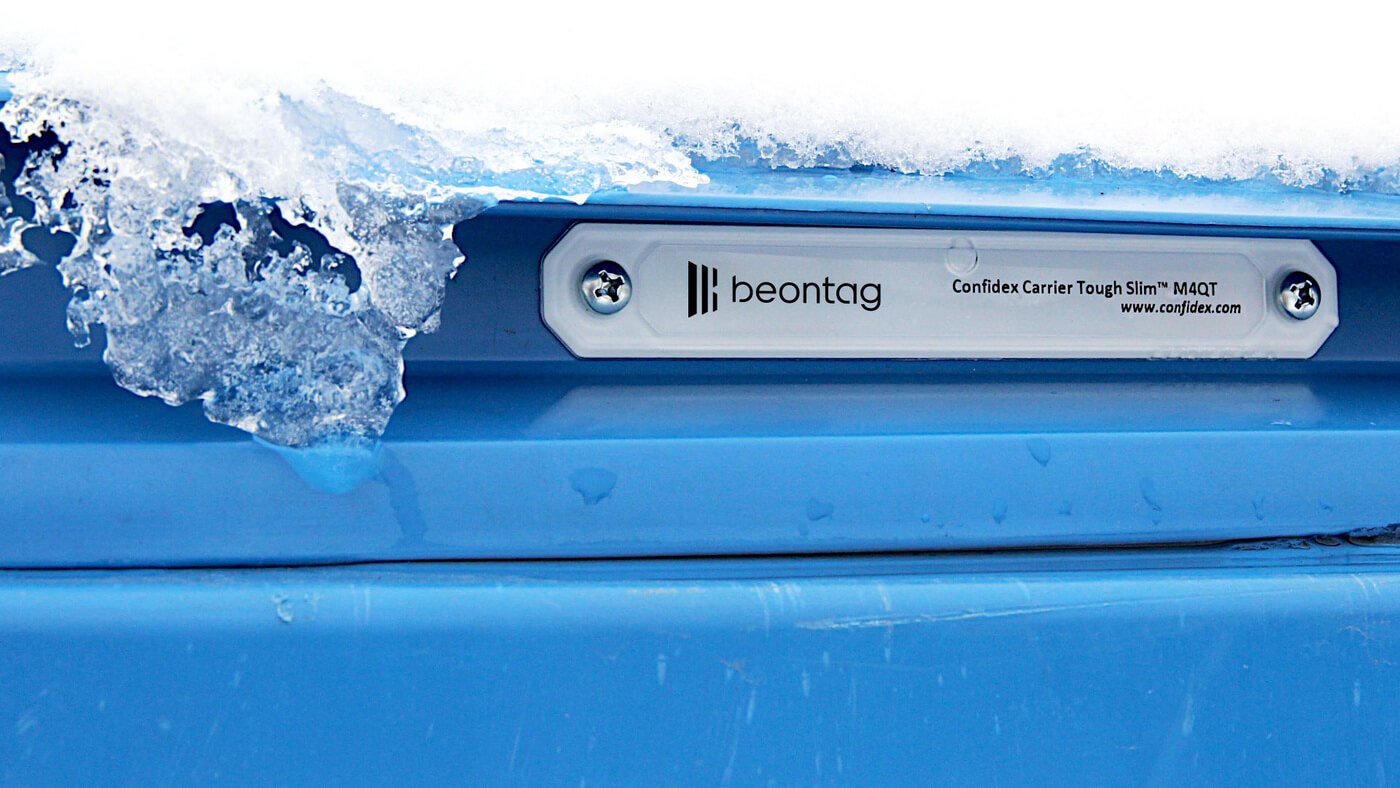
Cold-chain logistics demand adhesives that perform at low temperatures and resist condensation. Failure in these environments can compromise traceability and safety.
Adhesives must maintain track and shear resistance during refrigeration and freezing.
As temperature-controlled supply chains expand, cold performance becomes a standard PSA requirement.
Labels exposed to oils, solvents, or cleaning agents require adhesives with enhanced chemical resistance.
Industrial, automotive, and healthcare applications increasingly test adhesive limits.
This trend underscores the need for material expertise when selecting PSAs for demanding environments.
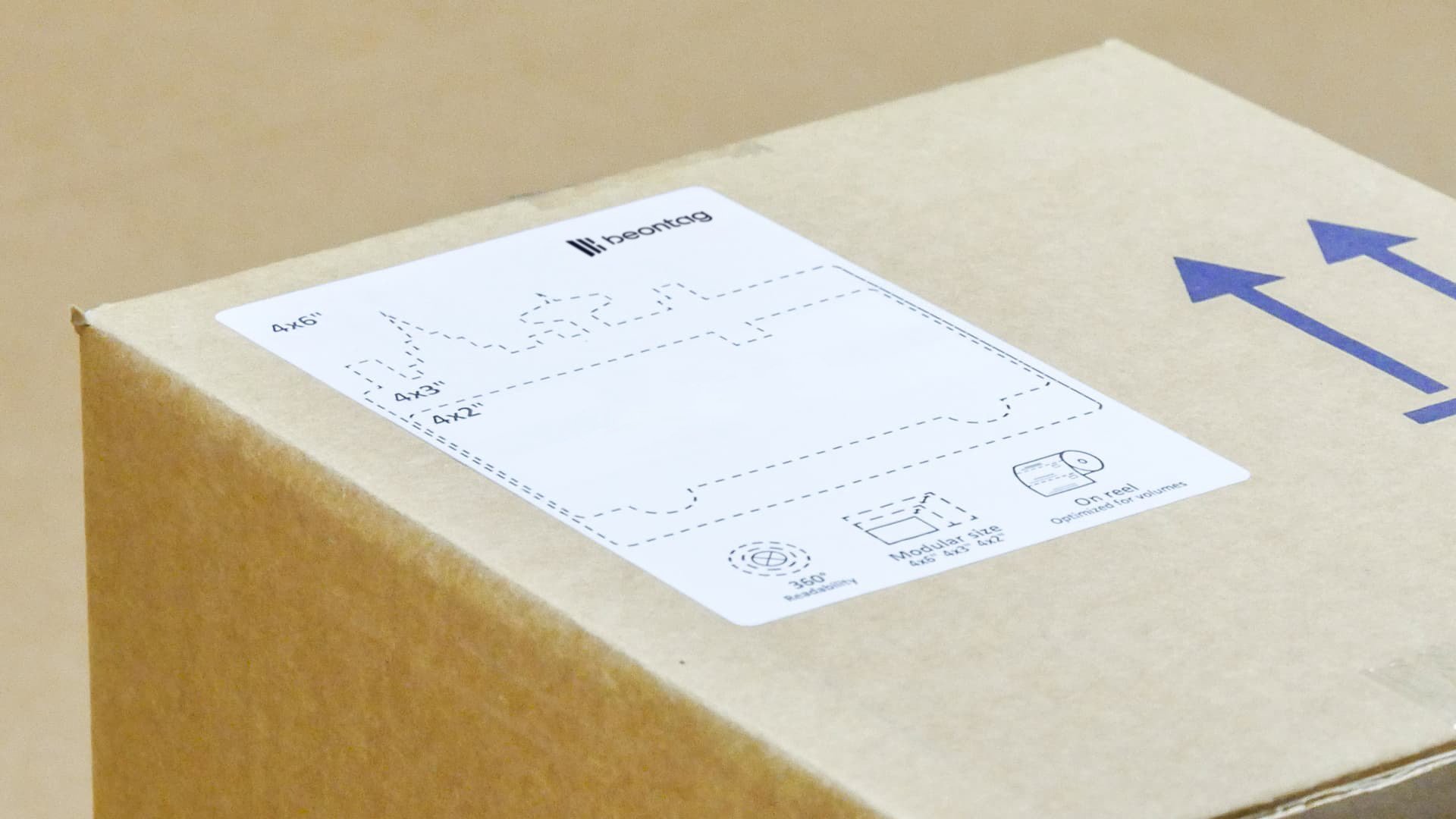
E-commerce is reshaping labeling trends by exposing labels to longer, more complex logistics journeys than traditional retail. Packages face repeated handling, automated sorting, friction, and variable environmental conditions, requiring pressure-sensitive adhesives that deliver consistent adhesion, durability, and label integrity from fulfillment centers to last-mile delivery.
Another major impact of e-commerce on labeling trends is the increased need for reliability in identification and tracking. Shipping labels must remain securely attached and readable despite abrasion, compression, and temperature changes, as label failure can disrupt logistics flows, delay deliveries, and negatively affect customer experience and operational efficiency.
E-commerce also accelerates the use of variable data, returns processing, and reverse logistics. Labels must support data clarity throughout multiple touchpoints, including delivery and potential returns. As a result, adhesive selection increasingly focuses on balancing strong adhesion, clean appearance, and compatibility with sustainability goals shaping modern labeling trends.
Clean alternatives are transforming direct thermal labeling, driven by safety, compliance, and sustainability concerns. Adhesives must align with these evolving material standards. This shift impacts not only face materials but also adhesive compatibility and long-term performance.
Below are the key clean-alternative drivers influencing PSA development for direct thermal labels.
Phenol-free papers respond to health and regulatory concerns. Adhesives must bond effectively without compromising image quality or durability. Material compatibility is essential to maintain print performance and label integrity. This trend reinforces cross-material coordination in label construction.
BPA and BPS-free materials are becoming standard in many markets. Adhesives must support these alternatives without introducing new risks. Compliance and transparency drive material selection decisions. Adhesive formulations increasingly reflect this shift toward safer labeling systems.
See more about Phenol-free Thermal Paper, BPA and BPS at Beontag’s blog.
Direct thermal labels must retain legibility despite heat, light, and handling. Adhesives contribute indirectly by supporting stable constructions. Poor adhesion can accelerate image degradation. Durability remains a core performance requirement in clean-label systems.
Safer materials reduce risk for workers and consumers. Adhesives must align with handling and exposure standards. This trend emphasizes responsible material design across the label value chain. Safety considerations are now integral to PSA evaluation.
These labeling trends are shaping the future for pressure-sensitive adhesives, and it demands deep material expertise, long-term vision, and application-specific knowledge. Adhesives are no longer passive components but active enablers of sustainability, automation, and performance.
Beontag supports this evolution by developing advanced adhesive materials designxed to meet labeling challenges across industries and applications. With a focus on pressure-sensitive adhesive technologies, Beontag contributes to reliable, future-ready label solutions.
Learn more about Beontag’s adhesive materials portfolio and contact our team for tailored solutions.