





Understanding RFID Hard Tags: Function, Benefits, and Selection

Stay up to date, subscribe to our newsletter!
SubscribeFacestock labels are the printable surface of a label, made from paper or films like PP, PE, and PET. Each material has unique benefits—learn which one is best for your application and how Beontag helps companies choose the perfect solution.


Facestock labels are the face of your product—they carry design, branding, and essential information that connects your product to the consumer. Their quality directly impacts how your product is perceived on the shelf. Choosing between paper and film materials involves more than aesthetics; it requires evaluating performance, durability, and compliance with industry demands.
However, many businesses struggle to identify which facestock labels meet their operational needs. A label that works in a retail environment may fail in logistics, while a label that survives extreme conditions may be unnecessary in short-life packaging.
Without a clear comparison, brands risk overspending or facing issues with durability, adhesion, or sustainability. Keep reading to understand which option is right for your application.
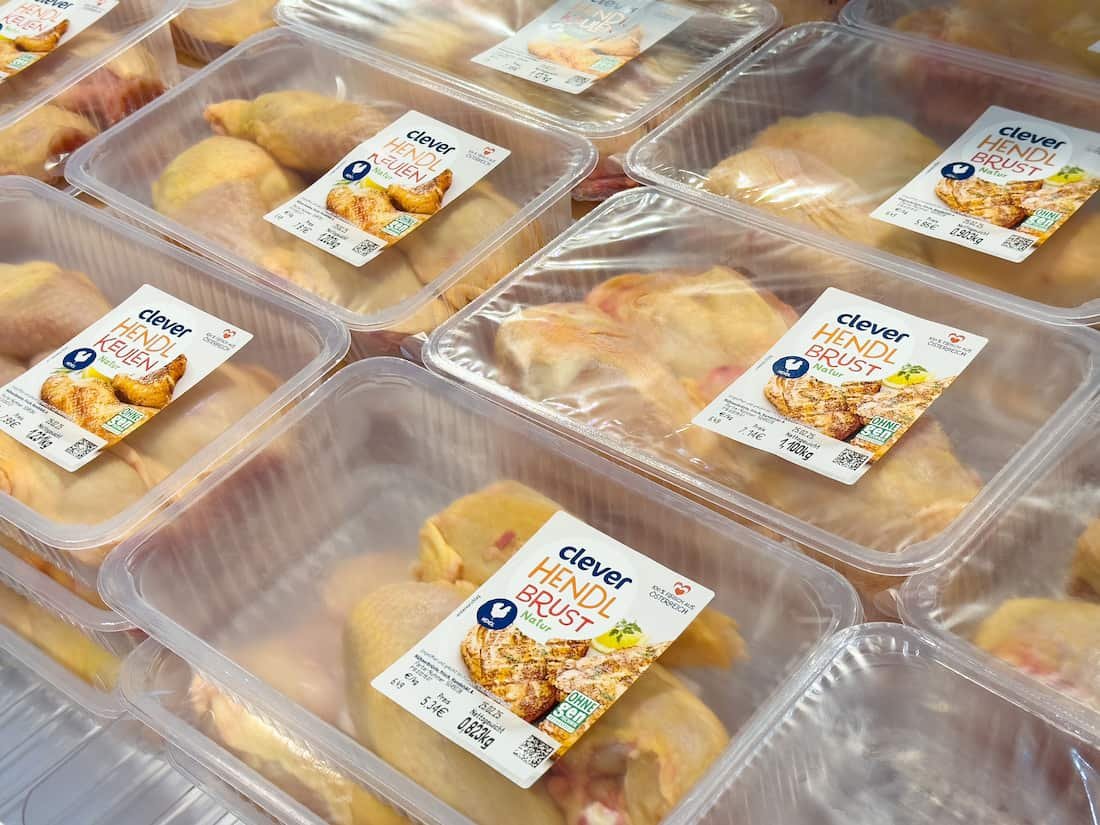
Facestock labels represent the printable surface layer of a label construction. They carry logos, graphics, and critical product information, while also ensuring compatibility with printing technologies such as flexography, thermal transfer, or digital presses. The choice of facestock material determines how well labels perform across supply chains, from production to consumer use.
In industries like food, cosmetics, logistics, and pharmaceuticals, facestock labels must balance visual appeal with functionality. Adhesion, tear resistance, and weatherproofing are as important as high-quality printing. A poorly chosen material may fade, wrinkle, or detach, directly harming product perception and supply chain efficiency.
Beontag develops facestock labels that integrate performance with sustainability. By combining innovative materials with eco-conscious production processes, the company delivers solutions that adapt to different applications without compromising durability or aesthetics. This flexibility ensures businesses can find the right material for their specific market needs.
Paper facestock labels are known for their cost-effectiveness, versatility, and ease of printing. They provide a natural look, often preferred for eco-friendly or artisanal products. However, paper lacks the durability required for long-term or high-stress applications, as it is more susceptible to moisture, tearing, and abrasion.
Film facestock labels—produced from PP, PE, or PET—are designed for durability. They resist water, chemicals, and extreme conditions, making them ideal for logistics, industrial use, or consumer goods that require extended shelf life. They also offer flexibility and strength while supporting high-quality, vibrant printing options.
The main decision factor between paper and film facestock labels often comes down to intended use. Paper works best for cost-sensitive, short-term applications, while films excel in demanding environments.
Get to know our full portfolio of Graphic Label materials.
Film facestock labels are primarily available in three materials—PP, PE, and PET—each designed to meet different performance requirements. From flexibility and chemical resistance to strength and dimensional stability, these films offer tailored solutions for industries with diverse labeling needs. Below, we explore the unique advantages of each option.
PP facestock labels offer excellent clarity, chemical resistance, and flexibility. They perform well in food packaging, health products, and retail applications where moisture and handling are constant factors. Lightweight yet durable, PP labels enhance brand presentation while reducing shipping costs due to their low density.
Polypropylene also provides resistance to oils and solvents, which makes it suitable for cosmetics and household cleaning products. Its smooth surface ensures sharp printing quality, essential for detailed branding or regulatory compliance information. PP labels also maintain their integrity during long-term storage, supporting global supply chain needs.
Beontag supplies PP facestock labels that balance durability and sustainability. Many solutions are recyclable, aligning with circular economy goals while maintaining cost efficiency. This combination of performance and eco-responsibility makes PP one of the most widely chosen materials in the label industry.
PE facestock labels are highly flexible and conformable, making them the preferred option for squeezable containers and irregular surfaces. They are commonly used in personal care, healthcare, and household products, where flexibility prevents cracking or peeling under frequent handling.
Polyethylene provides strong resistance to moisture and chemicals, ensuring labels remain intact in humid or challenging environments. This makes PE particularly valuable for refrigerated and frozen goods, where condensation could otherwise compromise adhesion or readability.
Beontag’s PE facestock labels combine flexibility with strength, ensuring consistent branding and regulatory compliance even in tough conditions. They are available in both clear and opaque versions, allowing brands to achieve either a premium “no-label look” or bold, vibrant designs.
PET facestock labels are known for their exceptional durability, strength, and dimensional stability. They are widely applied in electronics, automotive, and industrial sectors, where labels must resist heat, abrasion, and chemicals over long product lifecycles.
PET labels deliver high clarity and smooth surfaces, enabling premium graphic reproduction. They also withstand extreme environments, from outdoor exposure to sterilization processes, making them versatile across industries that demand resilience and reliability.
Beontag develops PET facestock labels tailored for demanding markets, balancing premium performance with sustainability. Some PET-based solutions include recycled content, supporting brands in reducing their carbon footprint without compromising durability or print quality.
Choosing between paper and film facestock labels requires understanding the conditions in which your product will exist. Factors like shelf life, handling, environment, and branding goals directly influence the best option.
When to Choose Paper Labels
Paper facestock labels are best for:
When to Choose Film Labels
Film facestock labels are best for:
Beontag case studies show how global brands achieve greater efficiency and sustainability by aligning label material with product demands. From cosmetics companies enhancing flexibility with PE films to logistics providers improving durability with PET, each case demonstrates Beontag’s expertise in delivering tailored solutions.
Sustainability is a growing concern in labeling, as brands face consumer and regulatory pressure to reduce environmental impact. Paper facestock labels often provide renewable sourcing and recyclability benefits, but films also evolve with eco-friendly innovations, including thinner constructions and recycled PET.
Beontag leads in sustainable labeling solutions by developing facestock labels that align with circular economy practices. These include recyclable films, responsibly sourced paper, and thinner materials that reduce resource use without sacrificing performance. Innovation is central to Beontag’s sustainability approach, ensuring labels contribute positively to brand image and environmental goals.
By choosing sustainable facestock labels, companies improve brand perception while meeting regulatory standards. Whether through renewable paper sources or recyclable films, Beontag ensures businesses access materials that align with long-term sustainability commitments.
Check out our Sustainable products for Graphic and labels.
The choice between paper and film (PP, PE, PET) for facestock labels depends on your product, environment, and brand objectives. Each material brings distinct benefits, from paper’s affordability and natural look to films’ durability, flexibility, and resistance.
Beontag offers a complete portfolio of facestock labels, helping companies across industries find tailored solutions that balance performance, cost, and sustainability. By combining innovation with eco-friendly practices, Beontag ensures labels not only meet operational needs but also elevate brand value.
Explore Beontag’s facestock labels today and discover how the right material can transform your labeling strategy. Visit our catalog or contact us now for personalized solutions.