What are self-adhesive (pressure-sensitive) labels and how do they work?

To choose the right pressure-sensitive adhesive for label printing you need to understand substrates, environments, performance needs, and compliance requirements to ensure durability, and efficiency.


Choosing the correct pressure-sensitive adhesive is a strategic decision that directly affects label performance, application efficiency, and brand perception. In label printing, adhesives are often invisible to consumers, yet they determine whether labels last, fail, or elevate the product's experience throughout their entire lifecycle.
Many converters and brand owners struggle with adhesive selection because labels face increasingly complex demands. From sustainability goals to faster production lines and diverse substrates, modern labeling environments require more than a one-size-fits-all solution. Understanding how to choose pressure-sensitive adhesive correctly helps avoid costly errors and performance compromises.
In this article, we’ll take you through a structured and practical adhesive selection guide for professionals across packaging, labeling, and industrial applications. By exploring PSA fundamentals, types, key decision factors, and common mistakes, you will gain clarity and confidence to continue reading and make more informed adhesive choices.
A pressure-sensitive adhesive is a viscoelastic material that forms a bond when light pressure is applied, without requiring heat, water, or solvents for activation. This simplicity enables fast application, clean processing, and consistent performance across multiple label formats and industries.
PSAs are engineered to balance adhesion, cohesion, and tack, allowing labels to stick instantly while maintaining internal strength over time. Unlike reactive adhesives, they remain permanently tacky, adapting to surface irregularities and maintaining contact through mechanical and molecular interactions.
Understanding what defines a PSA is foundational when learning how to choose pressure-sensitive adhesive for label printing. The adhesive’s formulation determines not only bonding strength but also removability, durability, and compatibility with substrates, environments, and production processes commonly found in modern labeling operations.
Pressure-sensitive adhesives work by flowing slightly under pressure to wet the surface of a substrate, creating intimate contact at a microscopic level. This wetting action allows intermolecular forces to develop, producing immediate adhesion without curing or drying stages during label application.
The performance of a PSA depends heavily on surface energy, texture, and cleanliness. High-energy surfaces like glass bond easily, while low-energy plastics require specially formulated adhesives. This interaction explains why adhesive selection cannot be separated from substrate analysis.
When evaluating which pressure-sensitive adhesive you need, it’s essential to consider how the adhesive behaves during application, storage, and end use. Labels must maintain adhesion under stress while resisting edge lifting, migration, or failure caused by temperature, moisture, or handling conditions.
Pressure-sensitive adhesives are available in multiple chemistries and formulations, each designed to meet specific performance needs. Selecting the right type requires balancing adhesion strength, environmental resistance, processing compatibility, and sustainability considerations across the label’s full lifecycle.
Understanding the main PSA categories helps narrow options before testing. Adhesive families differ significantly in cost, performance envelope, regulatory compliance, and application suitability. This classification step is essential within any reliable PSA adhesive selection guide.
Now, we’ll explore the most common PSA types used in label printing, highlighting their characteristics, strengths, and limitations to support better decisions when determining how to choose pressure-sensitive adhesive for demanding applications.
Acrylic pressure-sensitive adhesives are widely used due to their excellent balance of adhesion, durability, and resistance to UV light, aging, and chemicals. They perform well across a broad temperature range, making them suitable for long-term labeling applications in challenging environments.
These adhesives offer strong clarity and color stability, which is critical for premium labels and brand-driven packaging. Acrylic PSAs can be engineered for permanent, removable, or repositionable performance, providing flexibility for different product needs and market requirements.
When evaluating how to choose pressure-sensitive adhesives for labels requiring longevity and visual consistency, acrylic PSAs often stand out. Their versatility supports applications ranging from consumer goods to industrial labels exposed to heat, moisture, and outdoor conditions.
Rubber-based pressure-sensitive adhesives deliver high initial tack and strong adhesion to low-energy surfaces, such as certain plastics and corrugated materials. They are commonly selected for short-term applications where quick bonding is essential, and environmental exposure is limited.
These adhesives typically perform well at room temperature but may show reduced resistance to UV light, oxidation, and higher temperatures. As a result, they are often used in logistics, promotional labels, and temporary identification solutions.
Understanding how to choose pressure-sensitive adhesive involves recognizing when rubber-based PSAs are appropriate. They can provide cost-effective performance for fast-moving applications where long-term durability and aesthetic stability are not primary requirements.
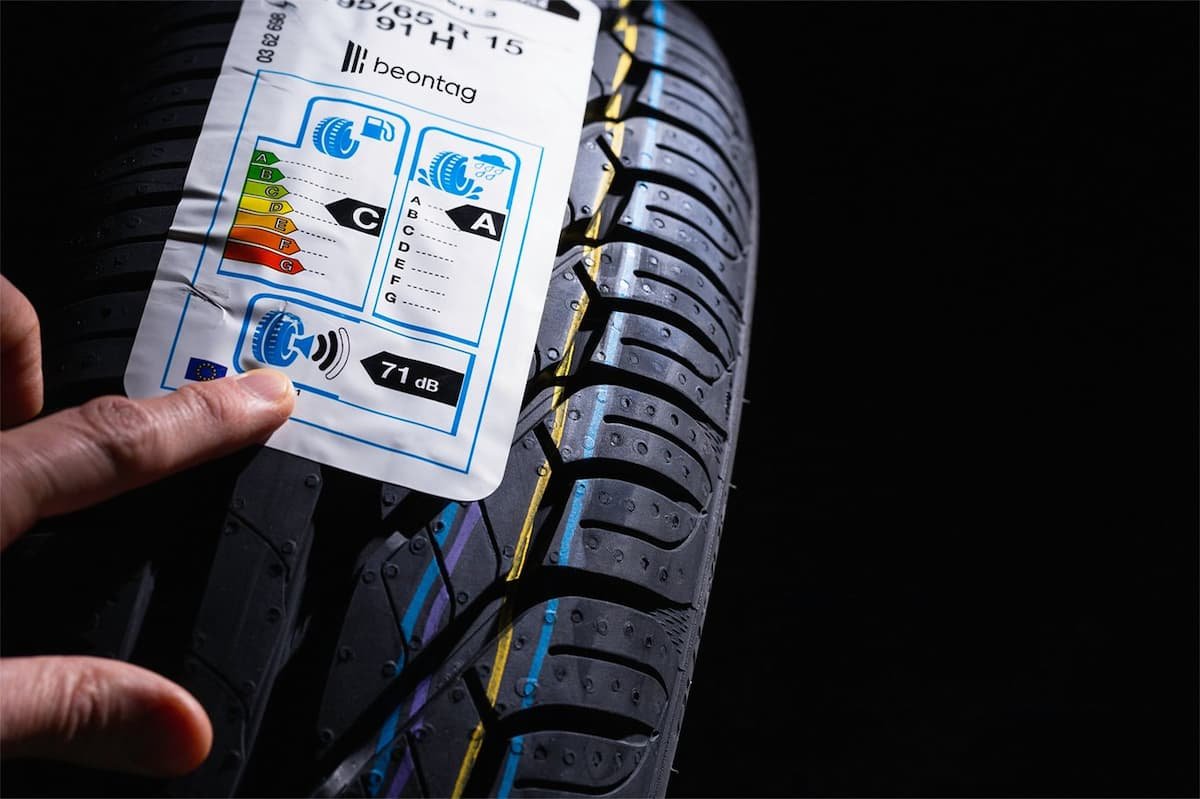
Silicone pressure-sensitive adhesives are specialized materials designed for extreme conditions, including very high or very low temperatures. They adhere well to silicone-coated surfaces and other substrates where conventional adhesives fail.
These PSAs offer excellent thermal stability, chemical resistance, and flexibility, making them suitable for aerospace, electronics, and medical labeling. However, they are typically more expensive and used only when standard adhesive technologies are insufficient.
When considering how to choose pressure-sensitive adhesive for niche or high-performance applications, silicone PSAs become relevant. Their unique properties justify their use in environments where reliability under extreme conditions is non-negotiable.

Beyond chemistry, PSAs are categorized by formulation methods, each affecting performance, processing, and sustainability. Emulsion adhesives are water-based and support lower environmental impact, while solvent-based PSAs offer high performance for demanding applications.
Hot melt PSAs provide fast settings and high productivity, making them ideal for high-speed label lines. UV-curable adhesives enable precise control and reduce waste, although they require specialized curing equipment.
Understanding these formulation differences is critical when learning how to choose pressure-sensitive adhesive. Processing conditions, regulatory goals, and application speed often influence formulation selection as much as adhesion performance itself.
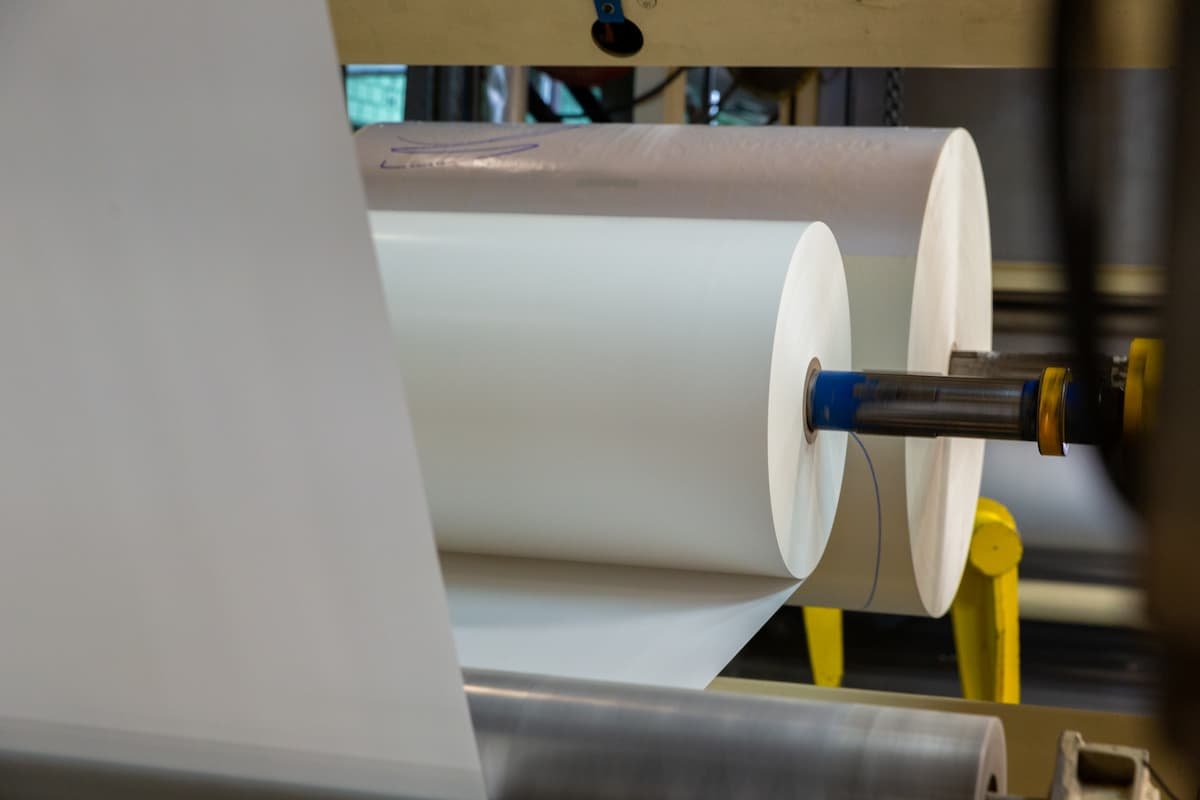
Selecting the right PSA requires evaluating multiple interconnected factors rather than focusing on adhesion strength alone. Understanding where, how, and for how long a label will perform ensures better outcomes across production, logistics, and end use.
A structured evaluation helps reduce risk and supports consistent label quality. The following factors are the core decision pillars of the 'how-to-choose' framework used by converters and brand owners worldwide.
By systematically addressing these considerations, businesses improve efficiency, reduce failures, and align adhesive performance with broader operational and branding objectives.
Substrate type and surface energy are fundamental to adhesive performance. Materials like glass, metal, paper, and plastics each interact differently with PSAs, influencing wetting, adhesion strength, and long-term stability.
Low-energy surfaces such as polyethylene or polypropylene require specially formulated adhesives to achieve reliable bonding. Surface texture, coatings, and contaminants also affect adhesion outcomes during application and require specially formulated adhesives to achieve reliable bonding.
Understanding substrate characteristics is essential when determining how to choose the right pressure-sensitive adhesive. Testing real materials under realistic conditions helps validate compatibility before full-scale production.
Check out more details about Labeling Low-Surface-Energy Plastics PP and PE in our blog.
Environmental exposure significantly impacts adhesive behavior. Temperature extremes, humidity, UV radiation, chemicals, and mechanical stress can all challenge label adhesion and durability over time.
Labels used in refrigeration, outdoor storage, or industrial settings require adhesives designed to maintain performance under those specific conditions. Failure to account for the environment often leads to premature label failure.
When you choose pressure-sensitive adhesive, considering real-world exposure scenarios ensures the selected PSA supports consistent performance throughout the product’s intended use.
Label application methods and production speeds influence adhesive selection. High-speed labeling lines demand adhesives with controlled track and shear to prevent flagging, misalignment, or adhesive build-up on equipment.
Manual or semi-automatic applications may tolerate different adhesive behaviors compared to automated systems. Release characteristics and coat weight also affect processing efficiency.
Evaluating application dynamics is critical when deciding how to choose pressure-sensitive adhesive, ensuring compatibility with current and future production capabilities.
Also read: Pressure-Sensitive or Glue-Applied Labels: Which Is Right for Your Product?
The intended lifecycle of a product determines whether a label must be permanent, removable, or repositionable. Adhesives must align with consumer expectations, regulatory requirements, and end-of-life considerations.
Removable labels should detach cleanly without residue, while permanent labels must resist tampering and environmental stress. Some applications require adhesives that evolve over time, increasing bond strength after application.
Understanding lifecycle expectations is central to how to choose pressure-sensitive adhesive that supports functionality without compromising user experience or sustainability goals.
Many industries impose strict regulations on labeling materials, including food contact, pharmaceuticals, electronics, and chemicals. Adhesives must comply with applicable standards to ensure safety and market access.
Migration resistance, toxicity limits, and traceability may influence adhesive selection. Regional regulations also vary, requiring careful material evaluation for global distribution.
Considering compliance early simplifies how to choose pressure-sensitive adhesive while reducing risk, delays, and costly reformulations later in the product development process.
Adhesives influence label appearance more than often assumed. Clarity, edge definition, and resistance to bubbling or discoloration all affect perceived product quality and brand trust.
Transparent labels and premium packaging require adhesives that remain invisible and stable over time. Poor adhesive choices can undermine even the most sophisticated graphic design.
Incorporating aesthetics into how to choose pressure-sensitive adhesive ensures the label supports brand storytelling while maintaining functional performance throughout its lifecycle.
A structured selection process helps teams navigate complexity and align technical requirements with business goals. Following a step-by-step approach reduces uncertainty and supports data-driven adhesive decisions.
This framework transforms adhesive selection from guesswork into a repeatable process. It reflects best practices commonly used across the pressure sensitive adhesive selection guide methodologies applied by experienced material specialists.
Each step builds clarity and confidence, helping teams choose solutions that perform reliably across diverse applications and markets.
Start by defining the full journey of your product, from manufacturing and logistics to end use and disposal. Identify exposure to temperature, moisture, handling, and environmental stress throughout its lifecycle.
Understanding this context frames all subsequent decisions. It clarifies performance expectations and helps avoid underestimating real-world conditions labels will encounter. This foundational step anchors reduces the risk of downstream failures.
Evaluate all substrates the label will contact, including primary packaging, secondary packaging, and any curved or textured surfaces. Consider material type, coatings, and surface energy variations.
Substrate analysis informs adhesive chemistry and formulation choices. Testing on actual materials provides valuable insights beyond theoretical compatibility.
A clear substrate profile simplifies how to choose pressure-sensitive adhesive by narrowing options before costly trials begin.
Translating business’ needs into measurable adhesive performance criteria, such as peel strength, shear resistance, temperature tolerance, and removability. Prioritize requirements based on application risks and customer expectations.
Avoid overengineering by focusing on what truly matters. Excess performance can increase costs without adding value.
Based on substrates, environment, and performance needs, identify suitable adhesive families such as acrylic, rubber-based, or specialty PSAs. Consider formulation types that align with processing and sustainability goals.
This shortlisting stage streamlines testing and collaboration with material partners. It reduces complexity while maintaining flexibility. Effective shortlisting is a key milestone in how to choose pressure-sensitive adhesive efficiently and strategically.
Conduct trials under realistic conditions, including application, storage, and end-use scenarios. Monitor performance over time and gather feedback from production and quality teams.
Iteration is often necessary to fine-tune adhesive selection. Minor adjustments can significantly improve outcomes. Testing completes the loop in how to choose pressure-sensitive adhesive, transforming informed assumptions into validated solutions.
Choosing a pressure-sensitive adhesive without a structured evaluation often leads to performance issues that could have been avoided early in the process. Many failures are not caused by misaligned expectations, incomplete testing, or overlooking real-world conditions.
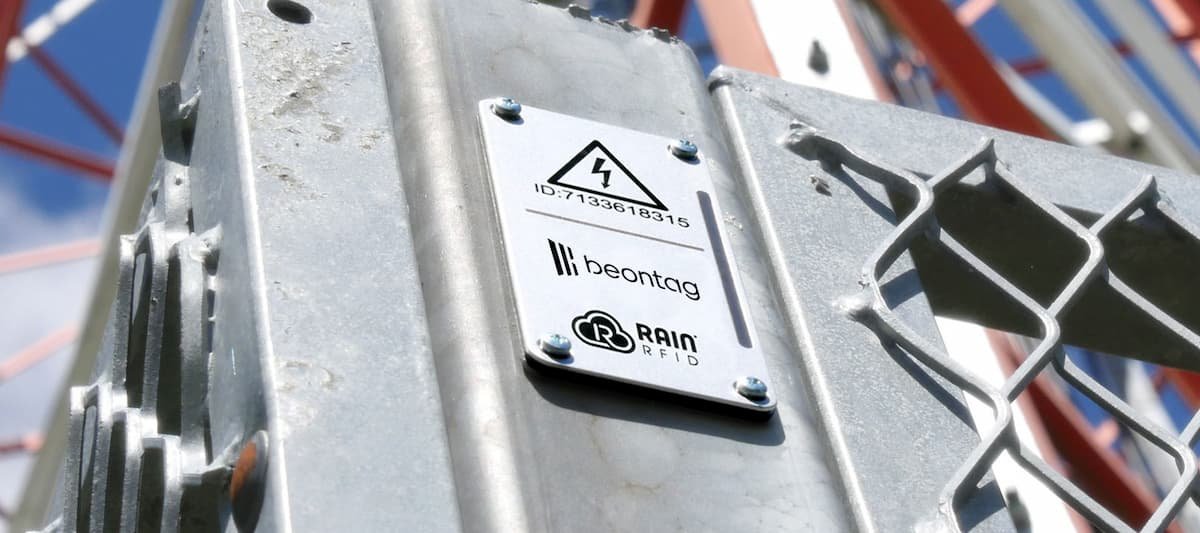
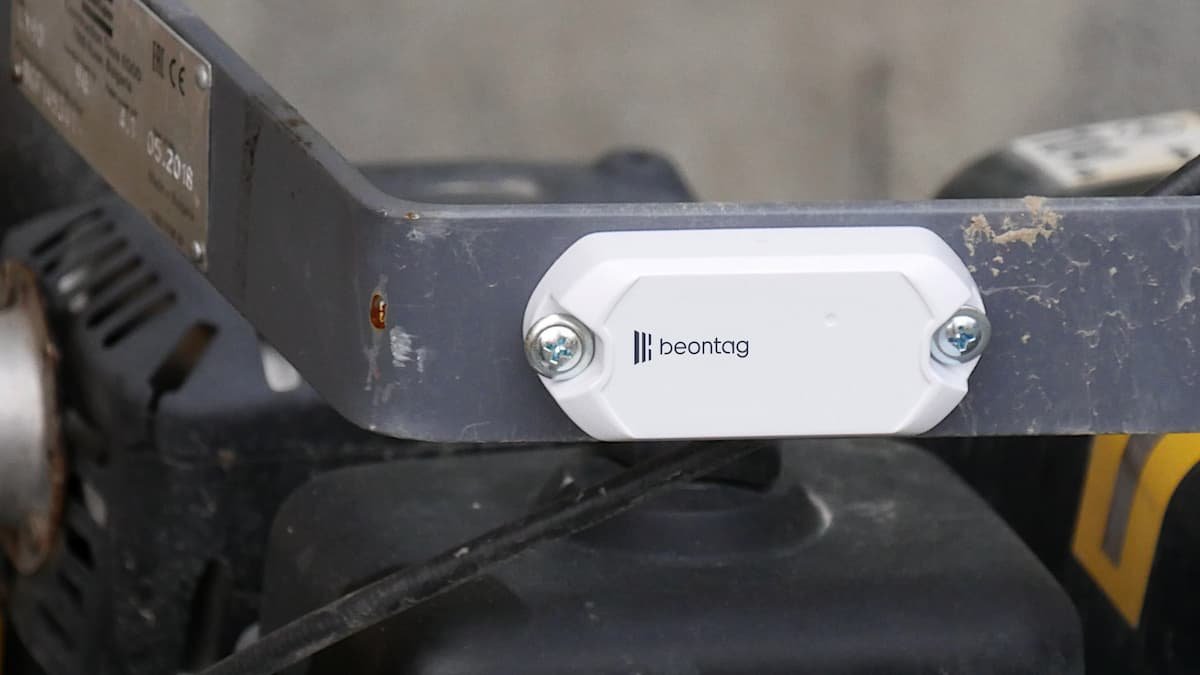
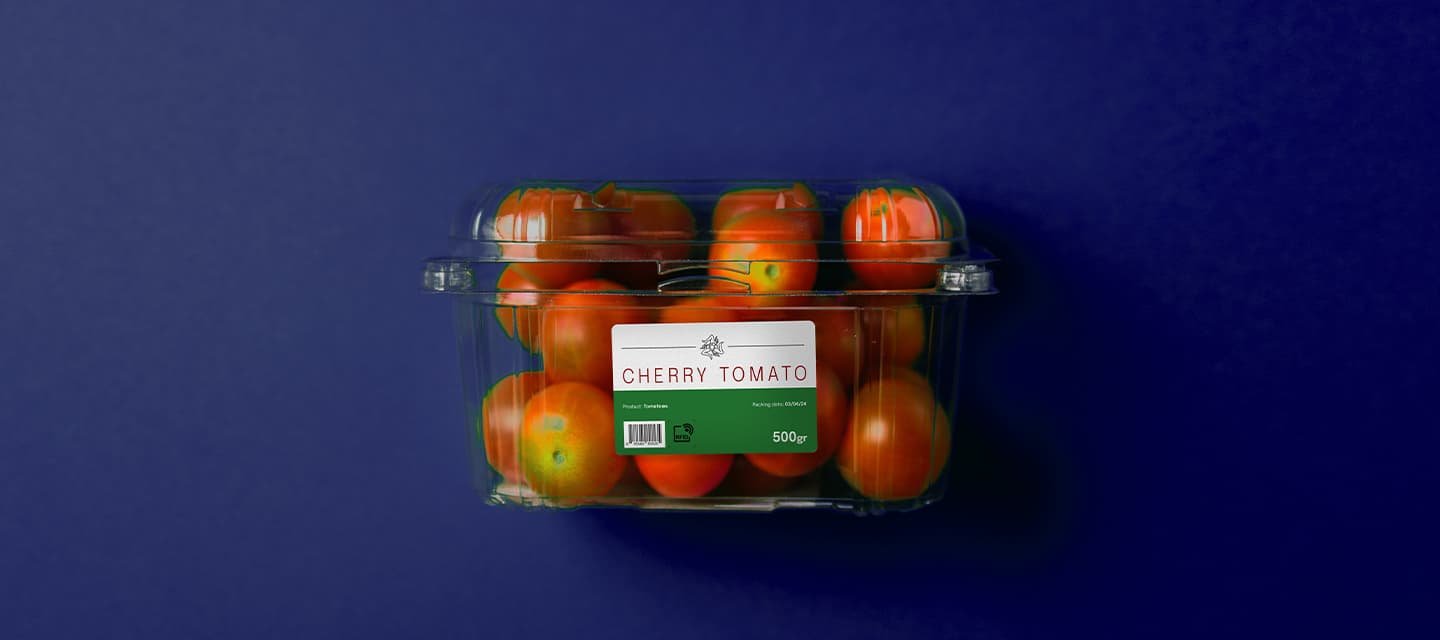
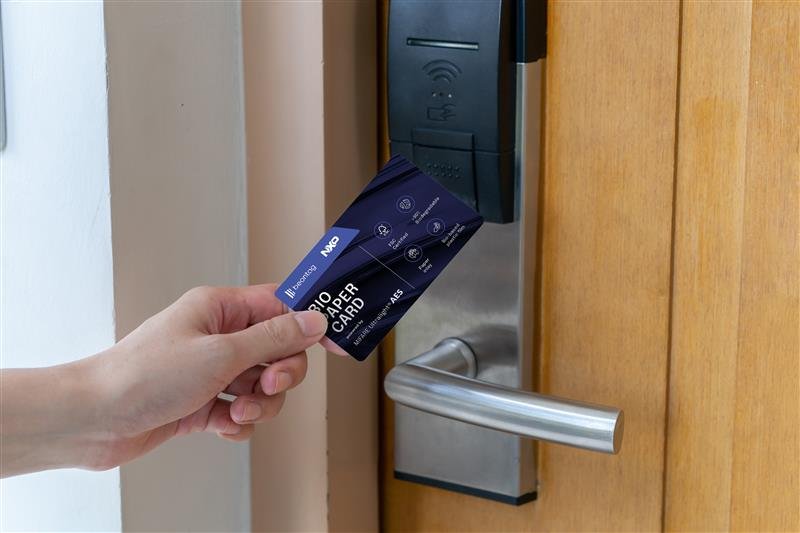
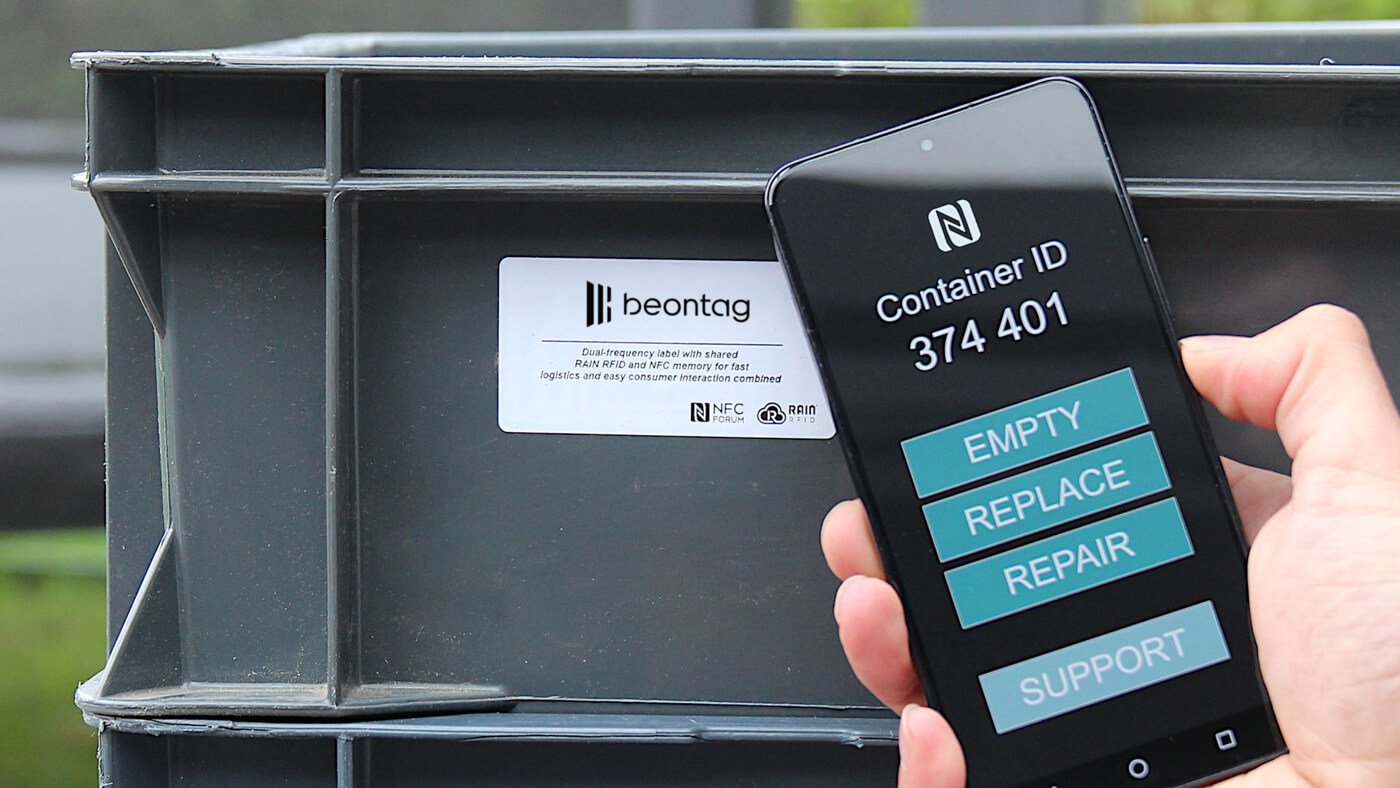
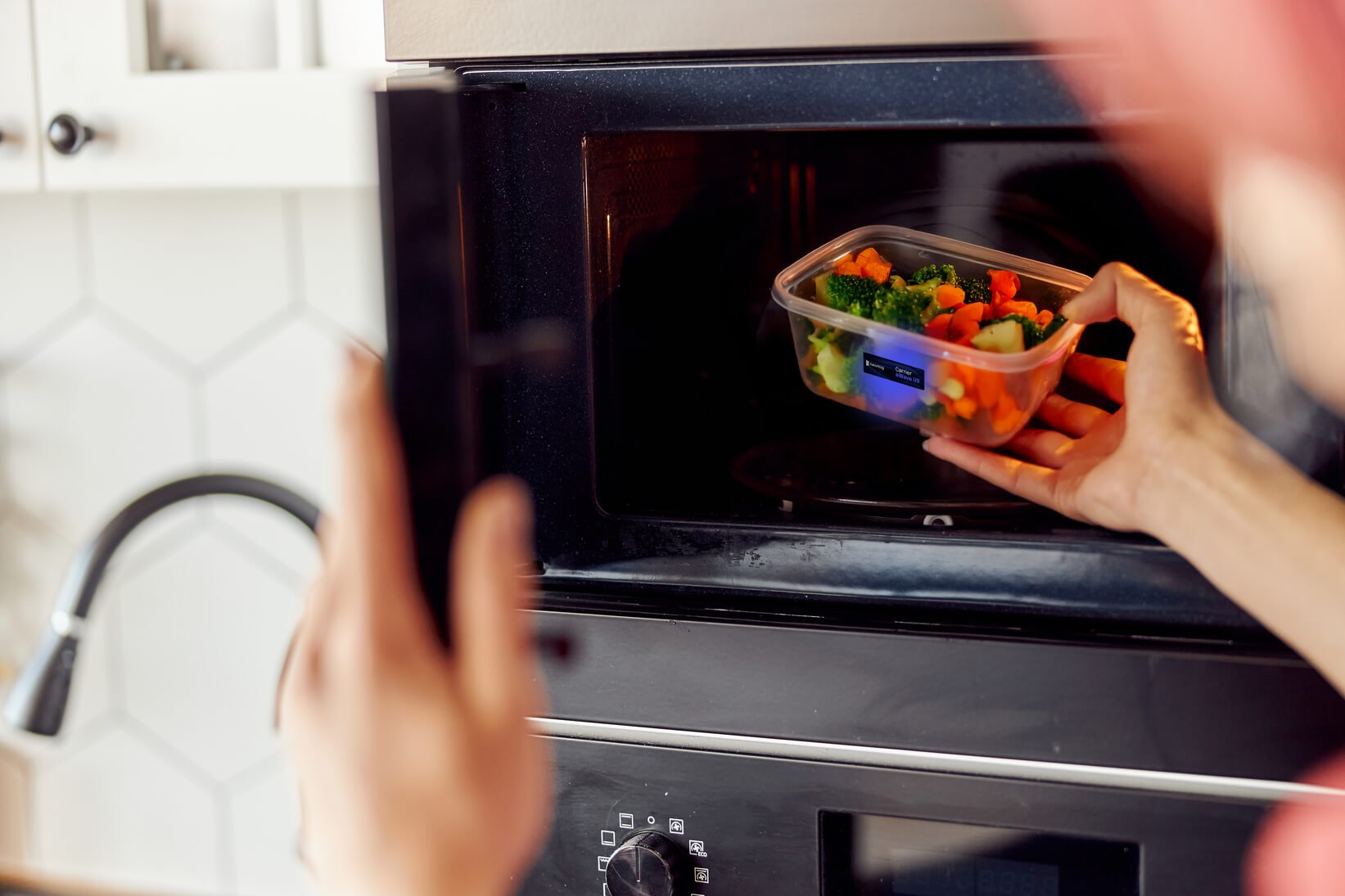
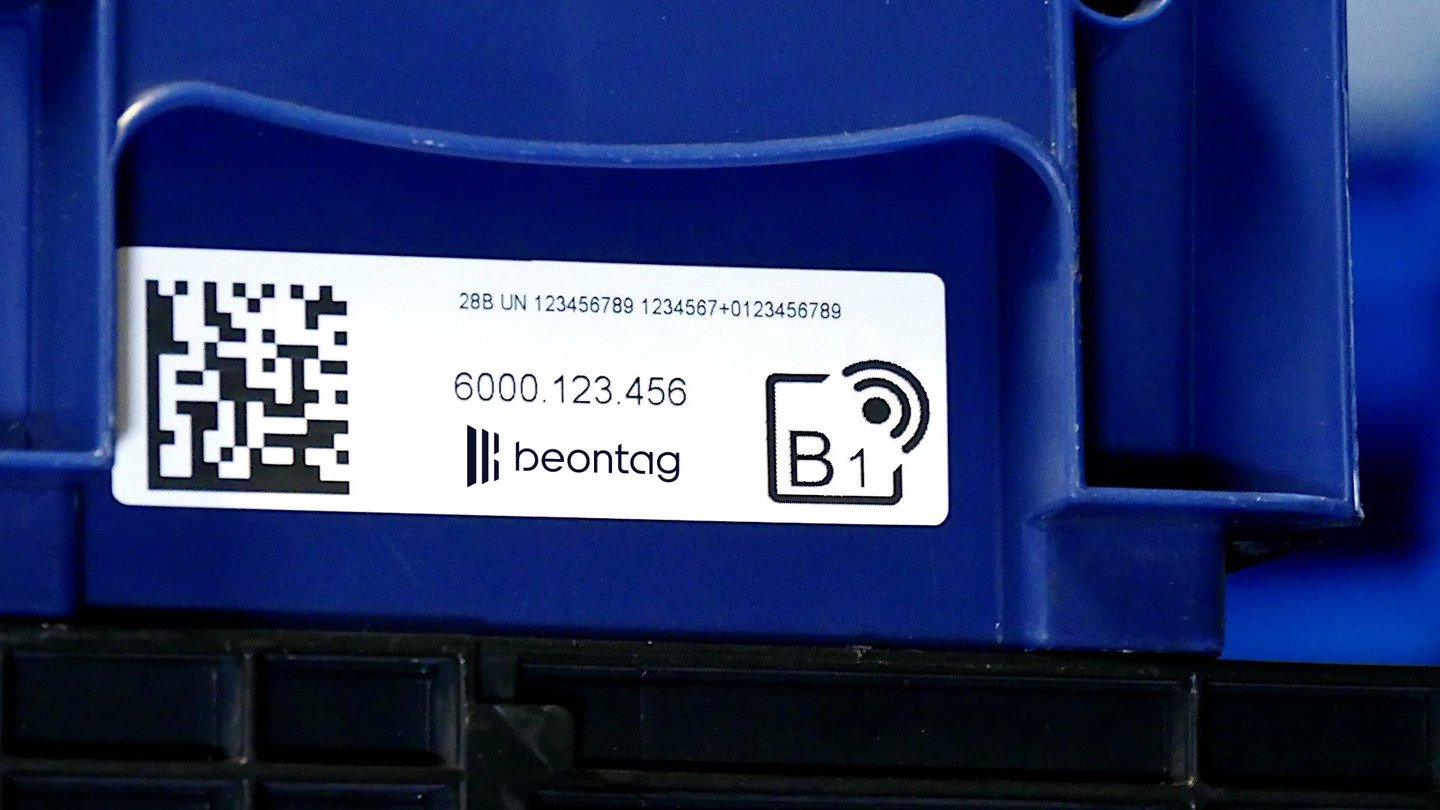
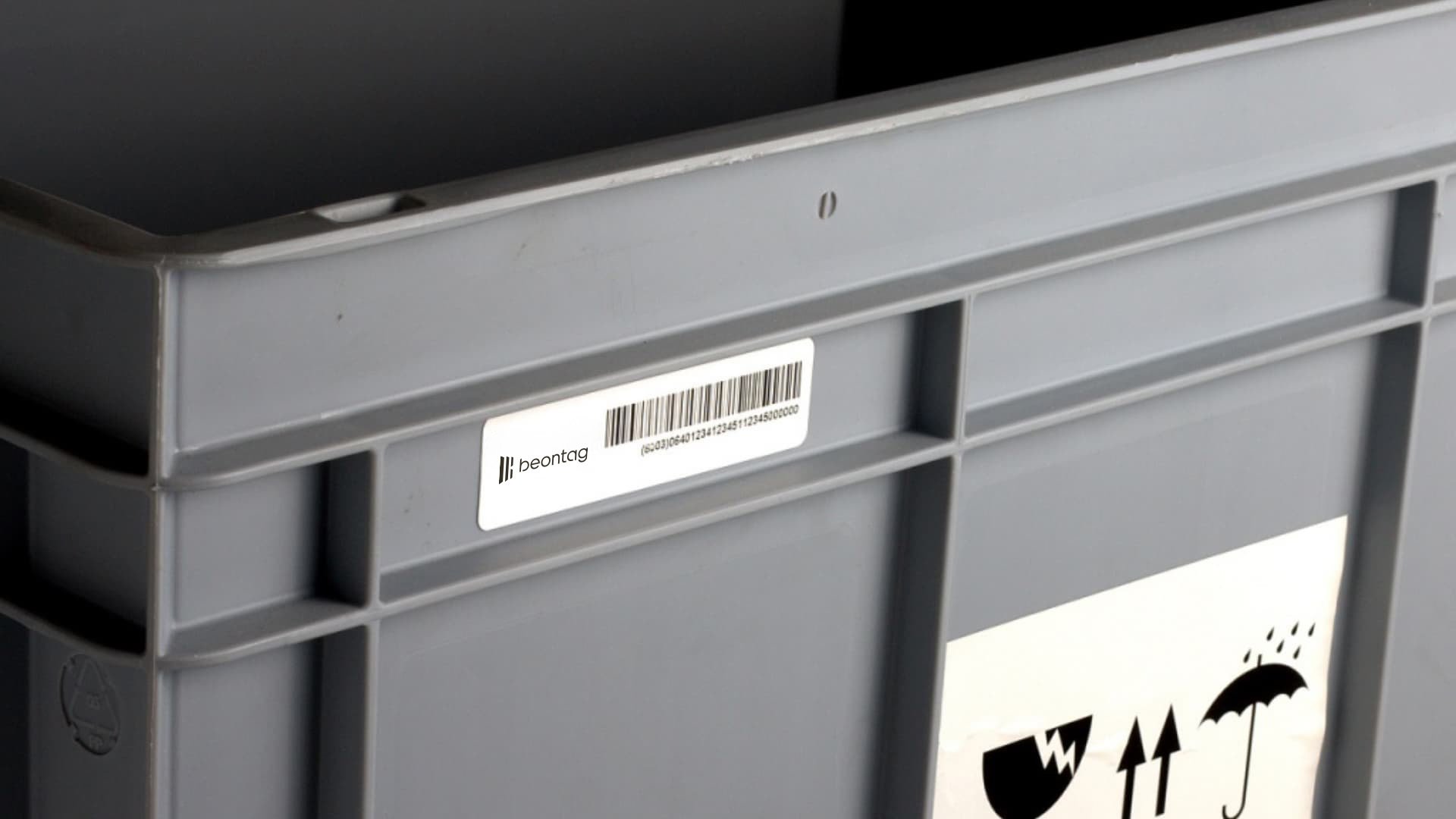
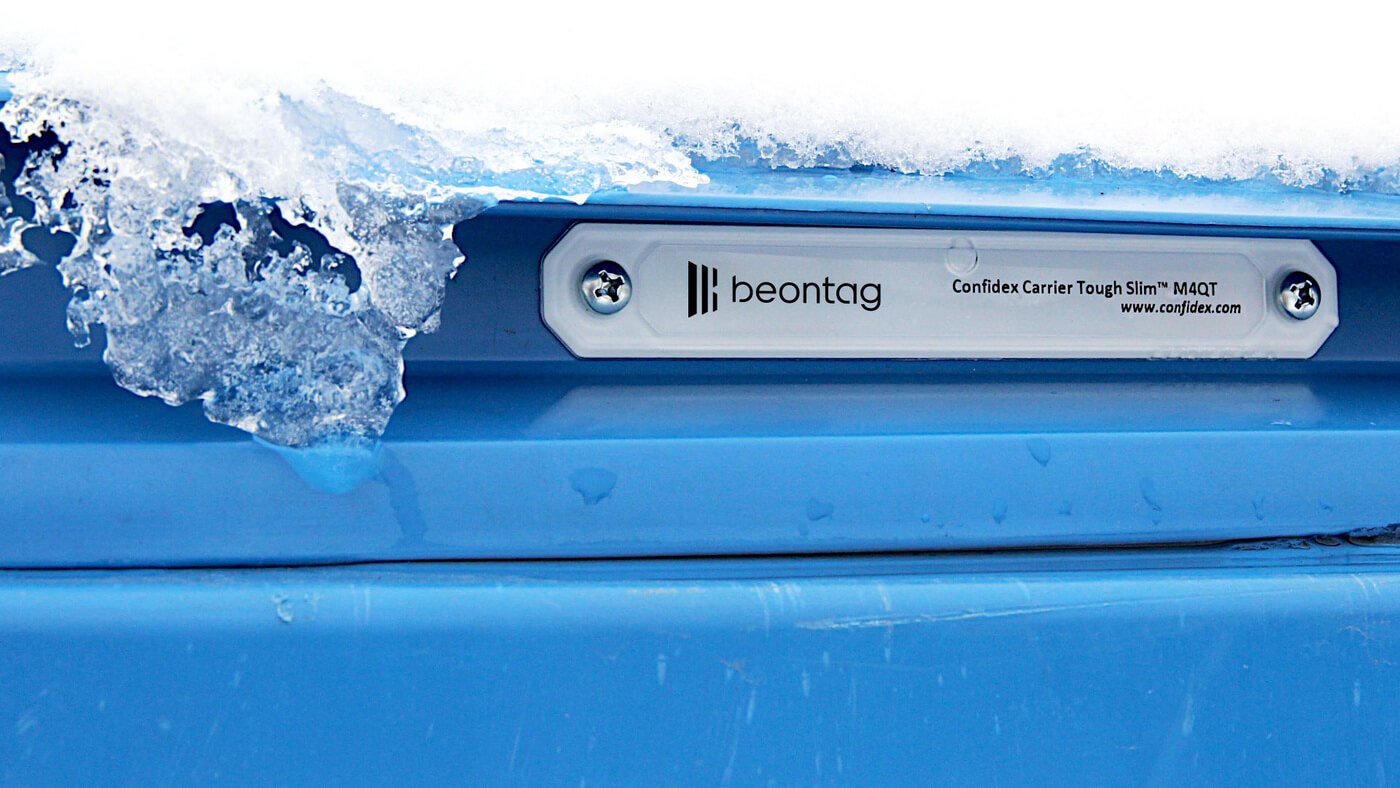
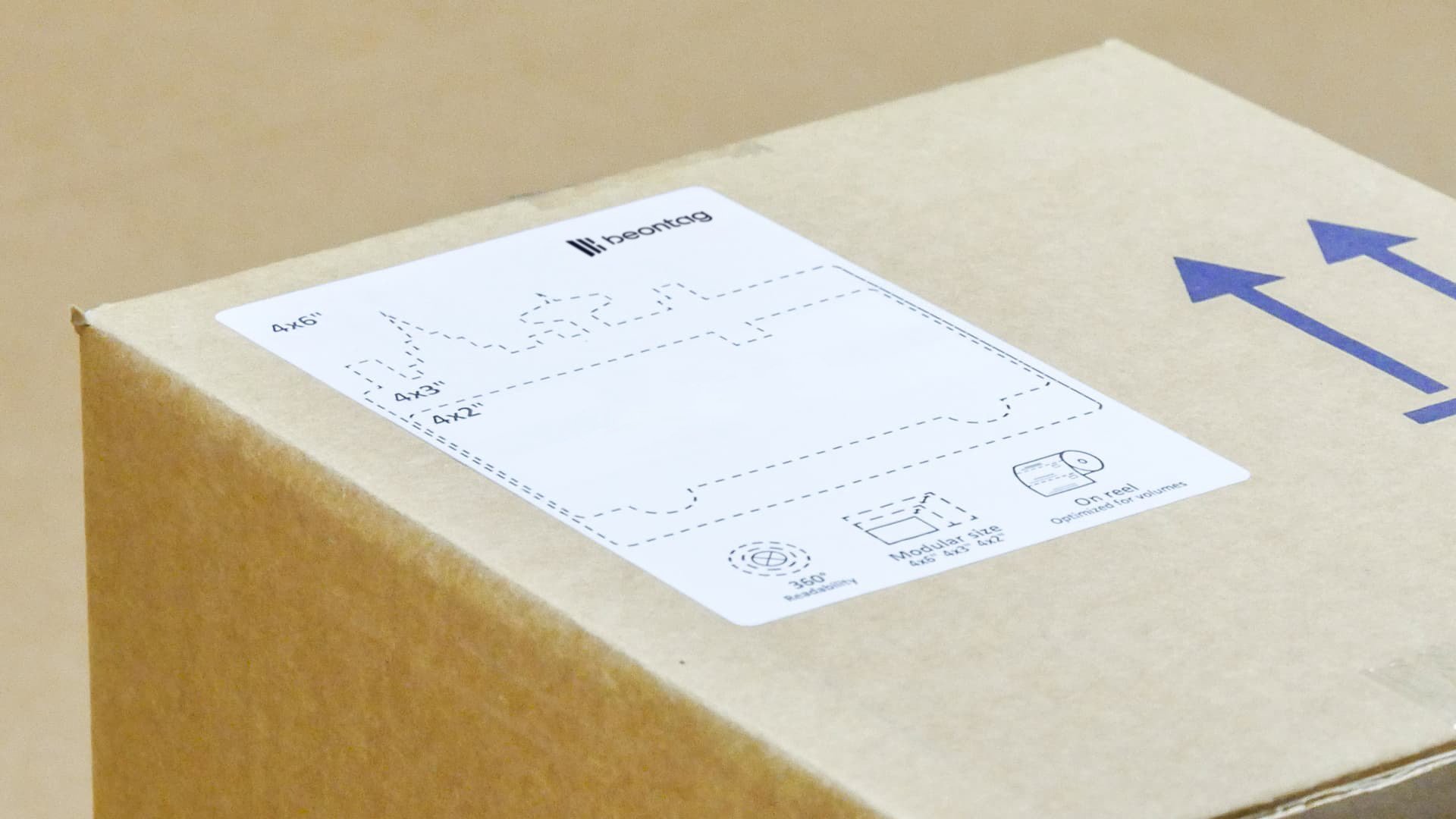
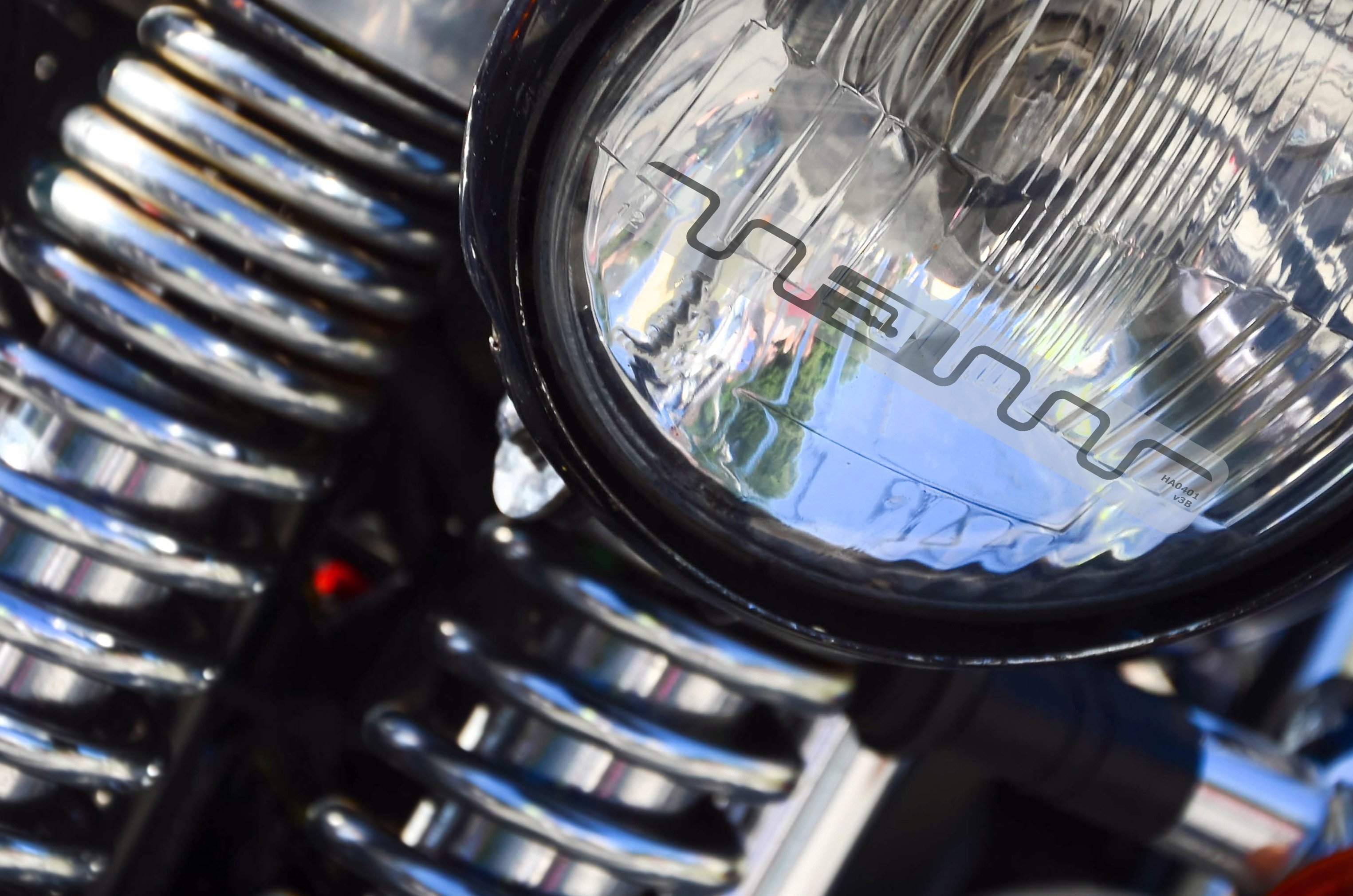
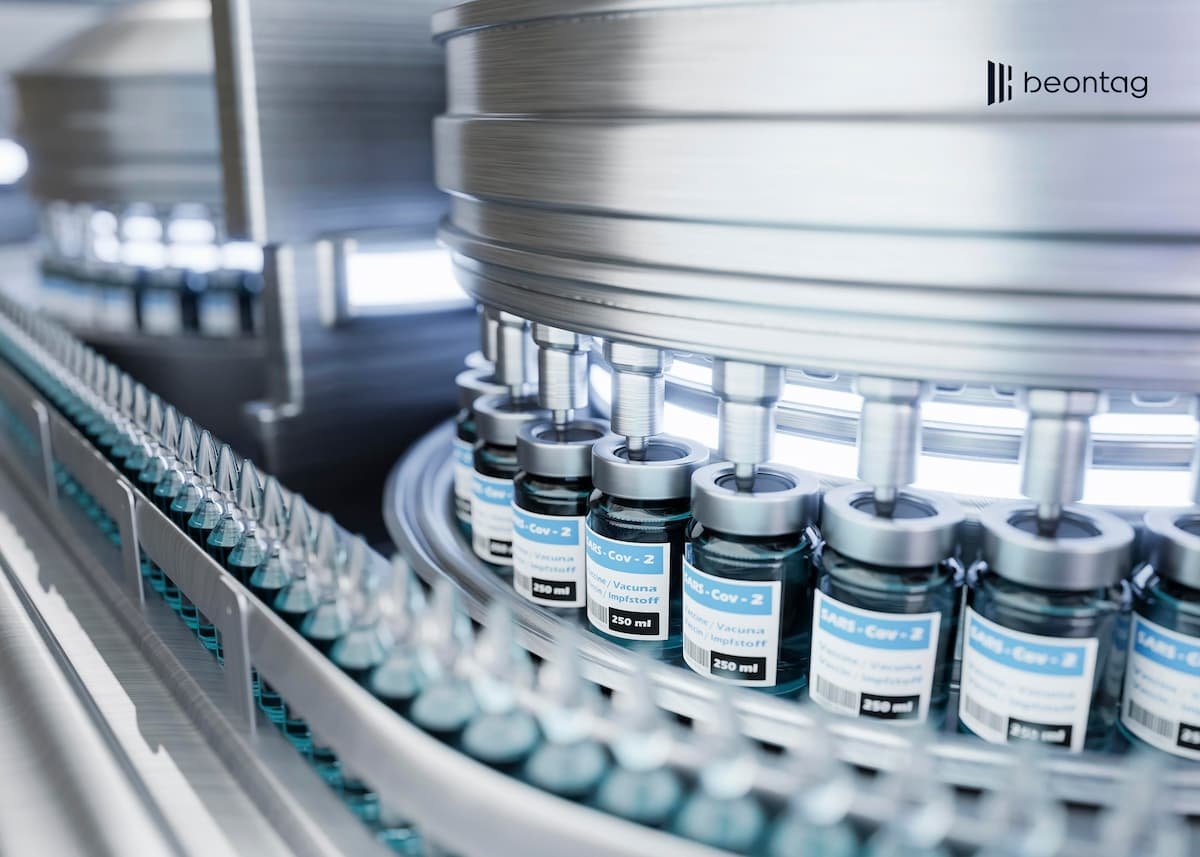
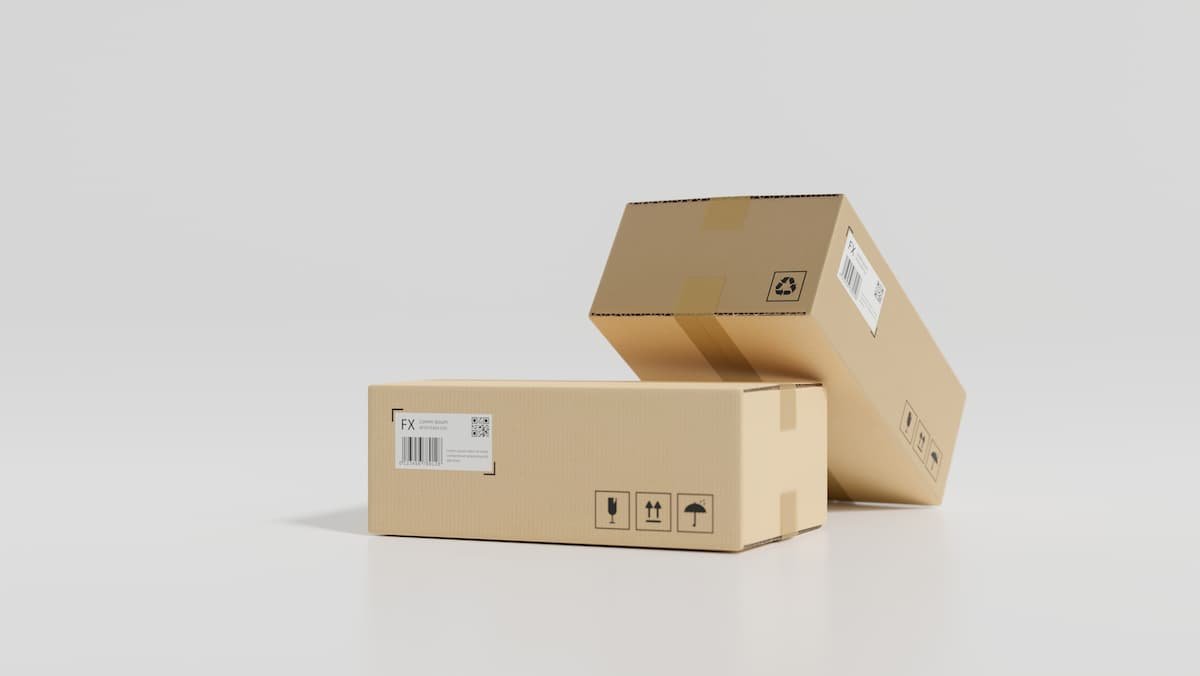
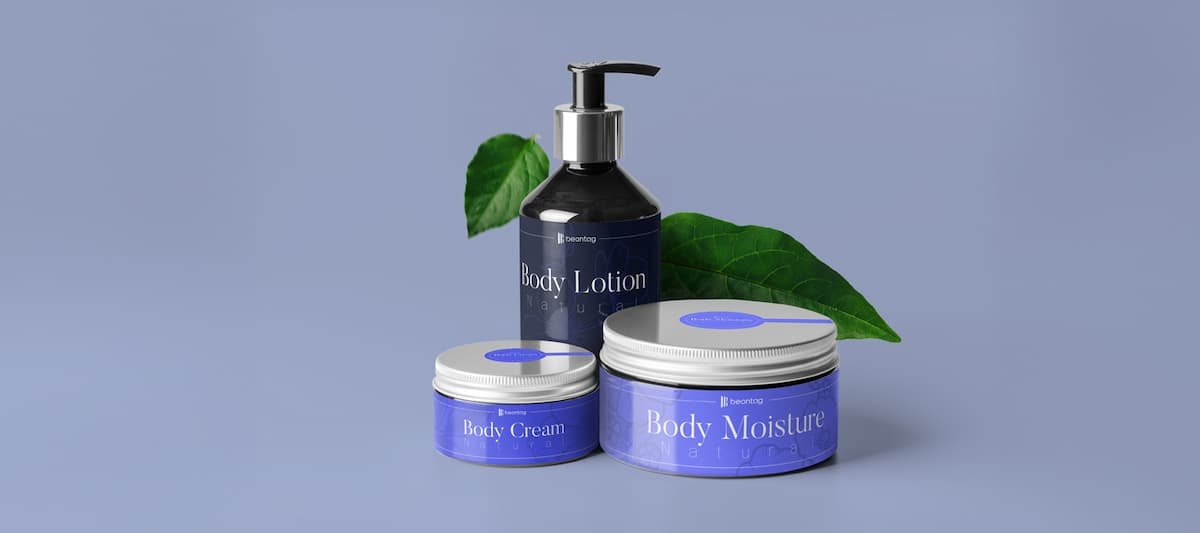
Check out some of Beontag’s applications available for PSA:
Adhesive selection benefits significantly from collaboration with experienced material specialists. Expert partners provide technical insight, testing support, and access to a broad portfolio of adhesive technologies.
They help interpret requirements, recommend suitable PSA families, and optimize formulations for specific applications. This guidance reduces development time and minimizes costly trial-and-error cycles.
Choosing the right pressure-sensitive adhesive is ultimately about precision, consistency, and long-term performance. Beontag supports converters and brand owners with advanced materials designed to meet diverse challenges across industries.
With deep expertise in pressure-sensitive adhesive materials, Beontag focuses exclusively on delivering high-quality solutions tailored to real-world applications. If you want expert support, contact our team of specialists and explore our portfolio of Graphic and Label Materials to discover solutions aligned with your performance goals.