Understanding RFID Hard Tags: Function, Benefits, and Selection

Stay up to date, subscribe to our newsletter!
SubscribePressure-sensitive adhesives are versatile bonding materials activated by light pressure. Explore how they work, their main types, and the industries that rely on them.


A growing number of industries depend on efficient, clean, and adaptable bonding technologies, and pressure-sensitive adhesives have emerged as a leading choice thanks to their versatility. They support labeling, mounting, sealing, identification, and numerous industrial workflows, making them essential to companies seeking performance, scalability, and efficiency.
However, many organizations still struggle to understand which type of PSA best fits their product, substrate, or environment. This leads to adhesion failures, reduced durability, and compliance issues, especially as applications become more demanding and global supply chains expand.
To help your brand overcome these challenges, we made this guide to explore how PSAs work, compare adhesive families, understand selection criteria and discover applications.
Pressure-sensitive adhesives are soft, permanently tacky materials designed to bond to surfaces with light finger pressure, eliminating the need for heat, water, or chemical activation. They consist of elastic polymers blended with tackifiers and functional additives to balance adhesion, cohesion, and resistance. Their versatility makes PSAs vital in labeling, industrial assembly, packaging, medical devices, and countless applications requiring reliable bonding performance.
Unlike reactive or thermal adhesives, pressure-sensitive adhesives remain continuously tacky after application, allowing instant bonding without curing processes. This makes them ideal for automated manufacturing lines that require speed and consistency. PSAs also adapt to irregular surfaces, low-energy substrates, and curved geometries, ensuring strong and uniform adhesion even in challenging environments.
Given their broad formulation flexibility, PSAs can be engineered with enhanced properties such as:
This adaptability allows industries to meet precise functional requirements while maintaining efficient production workflows. Their design versatility continues to expand with new sustainable and high-performance material technologies.
Pressure-sensitive adhesives bond through a balance of adhesion and cohesion optimized by their viscoelastic nature. This dual behavior enables PSAs to flow microscopically into surface irregularities while retaining internal strength. Their performance depends on polymer chemistry, tackifier content, and formulation balance. When pressure is applied, they wet the substrate, forming an instant bond that strengthens with time.
Surface energy significantly influences bonding success because high-energy materials enable better adhesive wet-out. PSAs must spread effectively to create maximal contact, especially when applied to plastics or low-energy substrates. Proper flow is essential for consistent adhesion, and manufacturers design formulations to ensure reliable performance across varied surface types.
Environmental factors also play a key role in PSA behavior, including temperature, humidity, and exposure to chemicals or UV light. PSAs can be engineered with stabilizers or modifiers to maintain track and durability under harsh conditions. Their long-term performance depends on achieving the right balance between softness and strength for cohesive integrity in real-world applications.
Now you know how pressure-sensitive adhesives work, see the differences between glue-applied labels.
Pressure-sensitive adhesives are produced in several chemistries and processing formats, each tailored to distinct performance needs. Choosing the right PSA requires understanding how each base polymer behaves, how it responds to environmental stress, and what substrates it supports. Check out the most common PSA families and their functional characteristics to support better decision-making.
Solvent-based PSAs deliver excellent adhesion strength, long-term stability, and resistance to chemicals and temperature extremes. Because they form highly uniform adhesive films, they are widely used in demanding environments such as automotive, electronics, and industrial labels where durability is critical. Their clarity and cohesive strength ensure reliable bonding even under vibration or mechanical stress.
Although they offer premium performance, solvent-based systems involve VOC emissions, requiring stricter environmental controls during manufacturing. Still, ongoing innovations and cleaner processes have made them more sustainable. Industries choose these PSAs when precision and endurance outweigh cost considerations, especially in technically demanding applications supported by advanced developments from companies like Beontag.
Emulsion-based PSAs are waterborne formulations that reduce VOC emissions, offering an environmentally responsible alternative to solvent systems. They provide balanced adhesion, consistent coating quality, and versatile performance suitable for labeling, packaging, and other large-scale applications. Their polymer dispersion technology allows manufacturers to tune tack and adhesion for different use cases.
Although they may offer lower moisture and chemical resistance than solvent alternatives, continuous formulation improvements have strengthened their durability. Their favorable cost–performance ratio and regulatory advantages make emulsion-based PSAs a strong choice for companies pursuing sustainability without compromising functionality, and suppliers like Beontag continue to advance these materials.
Rubber-based PSAs provide strong initial tack and aggressive adhesion, bonding quickly to many surfaces, including low-energy plastics where acrylics may struggle. Their affordability and immediate bond formation make them ideal for tapes, labels, and high-volume packaging solutions requiring fast, reliable application.
However, rubber PSAs typically have lower resistance to heat, UV light, and outdoor exposure. Stabilizers can improve these properties, but they remain best suited for indoor, general-purpose uses. Their combination of high tack, versatility, and cost-effectiveness keeps them widely adopted across everyday industrial and commercial applications.
Acrylic PSAs excel in UV stability, aging resistance, and long-term durability, delivering strong and consistent performance across temperature ranges. They maintain optical clarity and resist yellowing, making them ideal for premium labels, window films, electronics, and outdoor applications where aesthetic and functional reliability matter.
Engineers value acrylic PSAs for their balance of adhesion and cohesion, which supports permanent, removable, or repositionable configurations. Their stability under sunlight, moisture, and heat allows for dependable bonding in demanding environments. As sustainability evolves, acrylic formulations continue to advance, supporting high-performance and eco-conscious applications.
Hot-melt PSAs are applied in molten form and solidify quickly, enabling high-speed manufacturing processes with minimal waste. They provide strong adhesion for packaging, tapes, and industrial applications requiring fast throughput. Their clean application and efficiency make them attractive for automated production lines.
UV-curable PSAs harden under ultraviolet light, creating highly durable adhesive layers with excellent temperature and chemical resistance. They support precision applications and specialty manufacturing environments. Together, hot-melt and UV-curable PSAs offer customizable, high-performance options for companies emphasizing speed, consistency, and advanced engineering requirements.
Selecting the right PSA requires evaluating performance needs, regulatory requirements, environmental conditions, and substrate properties. Each application presents unique challenges that influence adhesive behavior. Understanding these factors is critical for engineers and product teams aiming for reliable bonding. The following sections detail the essential criteria that guide effective PSA selection.
Choosing pressure-sensitive adhesives begins with understanding the material being bonded and its surface energy. High-energy substrates, like metals and glass, promote stronger adhesion, while low-energy plastics demand tailored formulations to achieve reliable wet-out and long-term performance.
Key considerations:
Environmental conditions directly influence PSA performance, especially when temperature, humidity, or chemical exposure vary throughout the product’s lifecycle. Selecting the right PSA minimizes failures and ensures stable adhesion under real-world stresses.
Important environmental factors:
Whether a PSA must be removable, repositionable, or permanent determines its balance of tack, cohesion, and shear strength. Removable systems avoid residue and surface damage, while permanent adhesives prioritize long-lasting, high-strength bonding.
Define the ideal behavior:
Some applications, especially in electronics, packaging, and premium branding, require adhesives that maintain visual quality. Optical clarity ensures labels and films remain aesthetically appealing and readable while delivering strong adhesion.
Clarity-driven selection points:
Industries like food, medical, and automotive face strict compliance demands. The chosen PSA must meet regulatory, safety, and sustainability standards without compromising performance.
Regulation-related criteria:
Pressure-sensitive adhesives support numerous industries thanks to their versatility, ease of application, and reliability. They enable automation, enhance durability, and improve product usability. See all major application categories showcasing how PSAs deliver value across global markets and modern manufacturing ecosystems.
PSAs support automotive assembly by bonding interior trims, gaskets, insulation, and emblems. They reduce weight compared to mechanical fasteners and allow cleaner, faster installation. Automotive PSAs must withstand heat, vibration, and chemicals. High-performance formulations provide long-term reliability for components exposed to continuous stress.
Adhesives in this sector must maintain strong bonding across temperature fluctuations. PSAs enhance manufacturing efficiency by enabling automation in component mounting. Their adaptability allows bonding to metals, plastics, and composite materials. This versatility supports evolving vehicle design requirements and improves production speed.
Pressure-sensitive adhesives play a critical role in medical environments, where reliability and adhesion performance directly impact safety and compliance. Advanced PSA solutions engineered for tight-mandrel containers, such as vials, syringes, and diagnostic tubes, maintain bond integrity even on small diameters and curved surfaces.
Their resistance to sterilization processes, temperature variations, and moisture ensures consistent labeling for pharmaceuticals, vaccines, and laboratory samples. By supporting precise identification and secure attachment under demanding clinical conditions, PSA technology enhances traceability, reduces errors, and strengthens overall healthcare workflows.

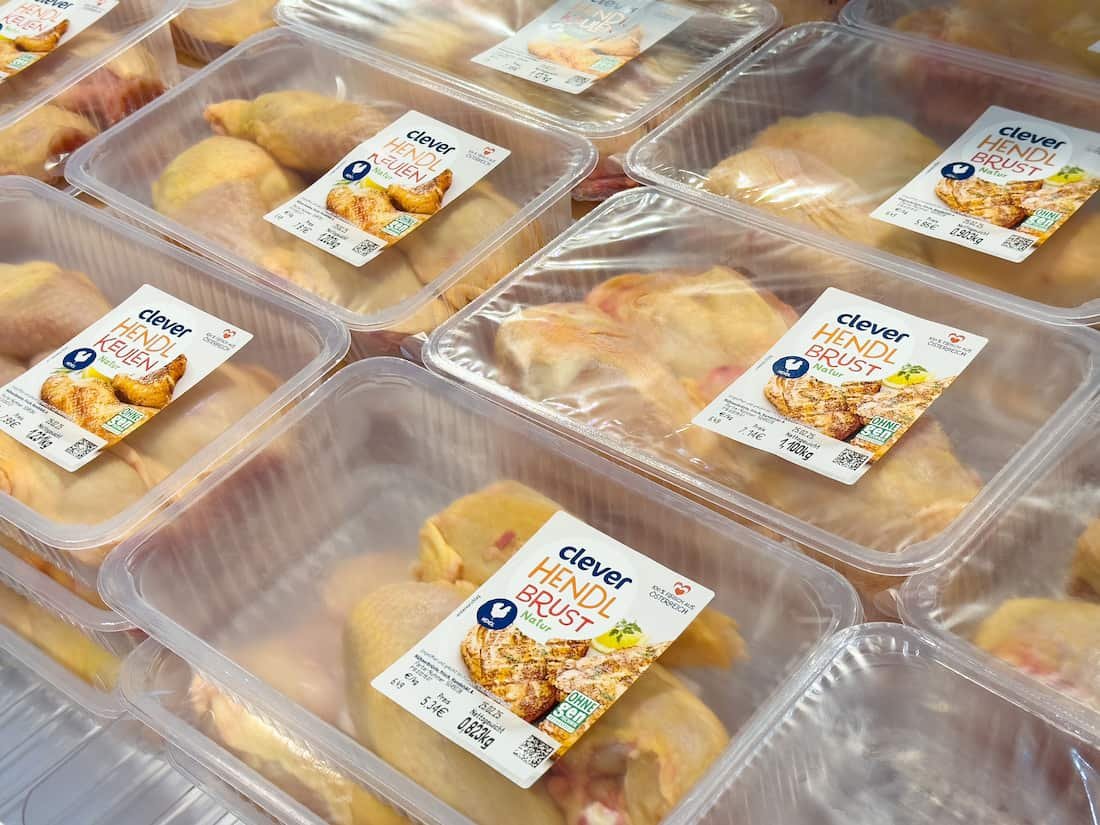
PSAs are essential in labels, tapes, and flexible packaging, ensuring efficient product identification and secure sealing. Their versatility supports fast application on automated lines. Packaging labels require strong adhesion, printability, and durability. PSAs enable clean, consistent performance across product categories, from logistics to consumer goods, helping brands maintain quality and traceability.
Different packaging surfaces demand specialized adhesives to ensure reliable bonding. PSAs must adapt to curved shapes, textured materials, and refrigerated conditions. High-performance formulations maintain adhesion despite moisture or temperature shifts, making them critical to food and beverage labeling.
Pressure-sensitive adhesives offer a versatile and efficient bonding solution across industries, combining ease of application with high performance in demanding environments. Because they require only light pressure to form an immediate bond, PSAs simplify production workflows and expand design possibilities. Their adaptability makes them suitable for complex surfaces, small diameters, flexible substrates, and harsh conditions.
Beyond convenience, pressure-sensitive adhesives contribute to more reliable identification, traceability, and product integrity. From packaging and industrial labeling to pharmaceuticals and logistics, they deliver consistent adhesion, durability, and compatibility with automated systems. This combination of stability, versatility, and operational efficiency explains why PSAs continue to replace traditional fastening and labeling methods worldwide.
| Advantage | Description |
| Immediate Bonding | Forms adhesion with light pressure, eliminating the need for heat, solvents, or curing processes. |
| Versatile Substrate Compatibility | Works on plastics, metals, glass, rough textures, tight mandrels, and flexible or curved surfaces. |
| Enhanced Production Efficiency | Speeds up application, reduces equipment requirements, and supports high-throughput operations. |
| Durability in Harsh Conditions | Maintains performance under moisture, chemicals, abrasion, temperature changes, and sterilization processes. |
| Precision and Traceability Support | Ensures stable labeling for logistics, inventory management, pharmaceuticals, and regulated industries. |
| Design Flexibility | Allows for thin constructions, removable or permanent bonding, and various tack levels tailored to specific needs. |
Pressure-sensitive adhesives play a vital role in enabling reliable, efficient, and scalable bonding across industries. With their versatility and customizability, PSAs support innovative product design and manufacturing excellence.
If your business needs advanced adhesive performance, sustainability, or compliance, Beontag provides a complete portfolio of expertly engineered PSA solutions tailored to modern challenges.Talk to our specialists for personalized solutions and explore Beontag’s products to elevate your applications.