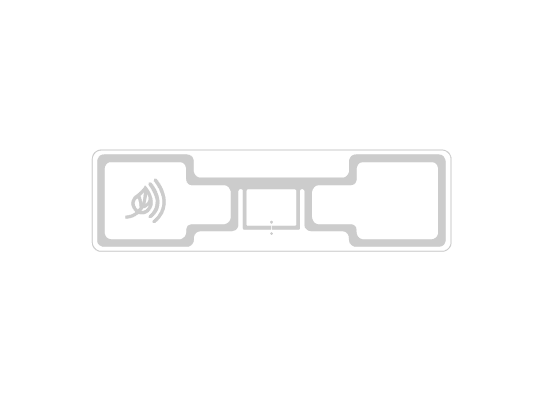
Understanding RFID Hard Tags: Function, Benefits, and Selection

Stay up to date, subscribe to our newsletter!
SubscribeRFID and supply chain management transform logistics with real-time visibility, automation, and cost efficiency. Learn how this technology improves inventory accuracy, prevents losses, and drives business growth.


Supply chains have become increasingly complex, with rising customer expectations, global networks, and pressure for faster deliveries.
Businesses are now looking for innovative ways to ensure efficiency, accuracy, and transparency in operations.
RFID technology has emerged as a powerful tool for tackling these challenges, offering advanced solutions that go beyond traditional methods.
The problem lies in outdated systems like barcodes, manual tracking, or siloed data.
These tools often fail to capture real-time changes, leading to stockouts, shrinkage, misplacements, and reduced customer satisfaction.
This creates urgency for adopting solutions that provide a holistic, automated, and accurate overview of assets.
That’s where RFID and supply chain management become crucial. By leveraging RFID tags and readers, organizations gain real-time visibility across inventory, transportation, and warehouses.
Keep reading to discover what RFID can do, its benefits, applications, and why it’s shaping the future of supply chain solutions.

Radio Frequency Identification (RFID) is a technology that uses radio waves to identify and track items.
In supply chain management, RFID enables companies to automate asset tracking, streamline processes, and ensure accuracy at every stage.
Unlike manual methods, RFID creates an ecosystem of real-time data, allowing decision-makers to act swiftly.
Adoption of RFID in logistics has accelerated because businesses demand greater transparency.
For example, global brands are now deploying RFID tags at the item, case, and pallet levels to ensure proper product flow, reduce shrinkage, and improve customer satisfaction.
This technology supports logistics management by integrating automated identification with visibility tools.
When companies integrate RFID and supply chain management, they gain more than just automation—they unlock opportunities for innovation.
From enhancing data-driven decision-making to supporting regulatory compliance, RFID is no longer a “nice to have” but a strategic necessity for competitive advantage.
See more about Beontag’s RFID technology:
Applications for RFID tags and labels
Barcodes have long been used in inventory management. They require line-of-sight scanning and manual labor, which can be time-consuming.
RFID technology, on the other hand, uses radio signals to capture information from tags without needing direct visibility.
This enables multiple items to be scanned simultaneously, reducing errors and saving time.
For instance, in a warehouse scenario, scanning barcodes on 1,000 items may take hours. RFID readers, however, can identify the same quantity in minutes.
This efficiency translates directly into reduced labor costs and faster throughput, which enhances supply chain efficiency.
While barcodes are still cost-effective for small-scale operations, they struggle in environments requiring real-time tracking.
RFID offers scalability and greater accuracy, making it indispensable in modern logistics management.
Businesses should consider where RFID implementation provides the highest return compared to barcode systems.
Implementing RFID and supply chain management together brings measurable value across multiple stages of logistics.
Each benefit directly addresses common industry challenges, from inventory inaccuracies to shipment delays.
Let’s explore 6 key advantages and how companies are already applying them successfully.
One of the most impactful benefits of RFID and supply chain management is real-time inventory tracking.
RFID tags update stock levels automatically as items move through the supply chain, providing accurate visibility at all times.
This eliminates blind spots and ensures managers know exactly where assets are.
A practical example is CHEP, which uses RFID to monitor reusable transport items across multiple facilities.
By applying RFID tags to containers, CHEP achieved real-time tracking, reducing asset losses and optimizing circulation.
This case demonstrates how real-time tracking enhances efficiency and supports sustainable practices.
Inventory discrepancies are common with manual processes, leading to costly stock imbalances.
RFID enables near-perfect accuracy in warehouses and retail stores by automating cycle counts and ensuring real-time synchronization of data across distribution centers.
A fully automated grocery store in Ahonkylä, Finland, illustrates how RFID and supply chain management improve accuracy.
Using Confidex Ferrowave Flag RFID tags, the system tracks stock levels and expirations without onsite staff.
Automated cycle counts minimize discrepancies; it aligns digital and physical records and ensure reliable replenishment while eliminating manual errors.
Out-of-stock not only frustrates customers but also results in lost sales. RFID prevents this by offering insights into low-stock items before they run out.
It also reduces shrinkage caused by theft or misplacement, ensuring more products remain available for purchase.
For example, a retail chain using RFID in logistics management increased on-shelf availability by more than 20%.
The system alerted employees when stock was low or misplaced, enabling immediate action. This translated into higher sales and improved customer trust.
Delays in loading docks and yards can create bottlenecks in the supply chain. RFID automates these processes by integrating with Advanced Shipping Notices (ASN), enabling faster receiving and dispatch.
This technology identifies pallets or cases instantly as they enter or leave a facility.
Goodpack implemented RFID on bulk containers, significantly speeding up dock operations. Automated recognition reduced manual scanning time, improving turnaround efficiency.
By optimizing receiving workflows, companies minimize downtime and ensure smooth operations throughout the supply chain.
Regulated industries like food and pharmaceuticals require strict traceability. RFID provides serialized identification, making it easy to track items by lot, expiry date, or chain-of-custody.
This not only improves compliance but also reduces the risks associated with recalls.
A grocery distributor using RFID could instantly isolate a defective batch of perishable goods.
Instead of recalling all items, they pinpointed only affected ones, saving money and preserving consumer trust.
Serialized traceability transforms supply chain risk management into a proactive strategy.
Ultimately, RFID drives cost reduction through automation, efficiency, and minimized errors.
Companies save on labor, reduce shrinkage, and prevent costly delays. The return on investment becomes evident as organizations streamline logistics and enhance customer satisfaction.
Volvo illustrates this with UHF RFID tags applied to vehicles during production. By replacing barcodes and active RFID, Volvo minimized redundant processes, cut operational waste, and improved efficiency—resulting in measurable cost reduction across its manufacturing supply chain.
Get inspired by more cases of Beontag’s RFID technology.
Data accuracy is a cornerstone of effective supply chain management. RFID ensures precise, real-time data capture without relying on manual entry, which is prone to errors.
This level of accuracy improves forecasting, replenishment planning, and overall supply chain visibility.
When businesses implement RFID, they gain a clearer picture of asset movement, helping them optimize decisions.
Accurate data supports compliance reporting, demand planning, and customer satisfaction. It also reduces disputes in supply chain contracts by providing verifiable information about item locations and conditions.
The improved accuracy of RFID data means businesses can reduce safety stock levels without risking shortages.
As a result, companies operate more leanly while still meeting customer demand. This is why the focus of RFID should be on supply chains: it directly impacts efficiency, profitability, and competitiveness.
Item-level tagging enables companies to monitor individual products rather than just shipments.
This granularity provides better control over stock, reduces losses, and ensures faster replenishment.
Retailers often use item-level RFID to enhance customer experience through accurate product availability.
In fashion retail, for instance, RFID at the item level ensures every garment can be tracked.
Customers benefit from precise stock data online and in-store, while businesses improve turnover and sales.
Item-level RFID is essential for industries where availability and accuracy directly influence revenue.
By integrating item-level RFID into supply chains, companies can also leverage advanced analytics.
The data reveals purchasing trends, product performance, and seasonal demand, supporting more informed decision-making.
This makes RFID a tool not just for operations but also for business growth.
Case-level RFID tags track boxes of products as they move through warehouses and distribution centers.
This level of visibility enhances efficiency by allowing managers to know where cartons are at all times. It is especially useful for industries dealing with large volumes of goods.
For example, in the grocery industry, RFID on cartons ensures perishable items are handled correctly.
If a carton is delayed, the system alerts staff, preventing spoilage and ensuring freshness for customers. This level of control reduces waste and maintains brand reputation.
By adopting carton-level RFID, businesses bridge the gap between item-level and pallet-level identification.
It creates a complete tracking system, enhancing supply chain visibility and enabling smoother logistics operations.
Pallet-level RFID tagging is particularly beneficial for large-scale logistics operations.
Pallets often carry hundreds of products and tagging them simplifies tracking during transportation and warehousing.
RFID readers can scan pallets quickly, eliminating the need for manual barcode checks.
For instance, a manufacturer shipping goods internationally uses RFID to track pallets from origin to destination.
This visibility minimizes the risk of misrouting or delays, reducing costs and improving customer satisfaction.
Pallet-level RFID also improves security by ensuring pallets are not tampered with in transit.
With pallet-level RFID, companies can streamline cross-docking, improve dock scheduling, and enhance delivery accuracy.
This level of automation boosts overall supply chain efficiency while reducing operational bottlenecks.
Choosing the right RFID tag depends on the application, environment, and budget. Below is a simplified comparison of common tag types:
| RFID Tag Type | Application | Best For | Considerations |
| Passive RFID | General inventory tracking | Retail, warehouses | Low cost, shorter read range |
| Active RFID | Real-time location systems | Logistics, yard management | Higher cost, long read range |
| Semi-passive RFID | Condition monitoring | Cold chain, pharma | Battery-assisted, moderate cost |
| UHF RFID | High-volume tracking | Pallets, cases | Long read range, fast reads |
| NFC RFID | Consumer interaction | Retail, brand protection | Short range, customer engagement |
When evaluating RFID implementation, companies should consider environmental factors like temperature, moisture, and interference.
Matching tag type with business needs ensures a cost-effective and reliable solution.
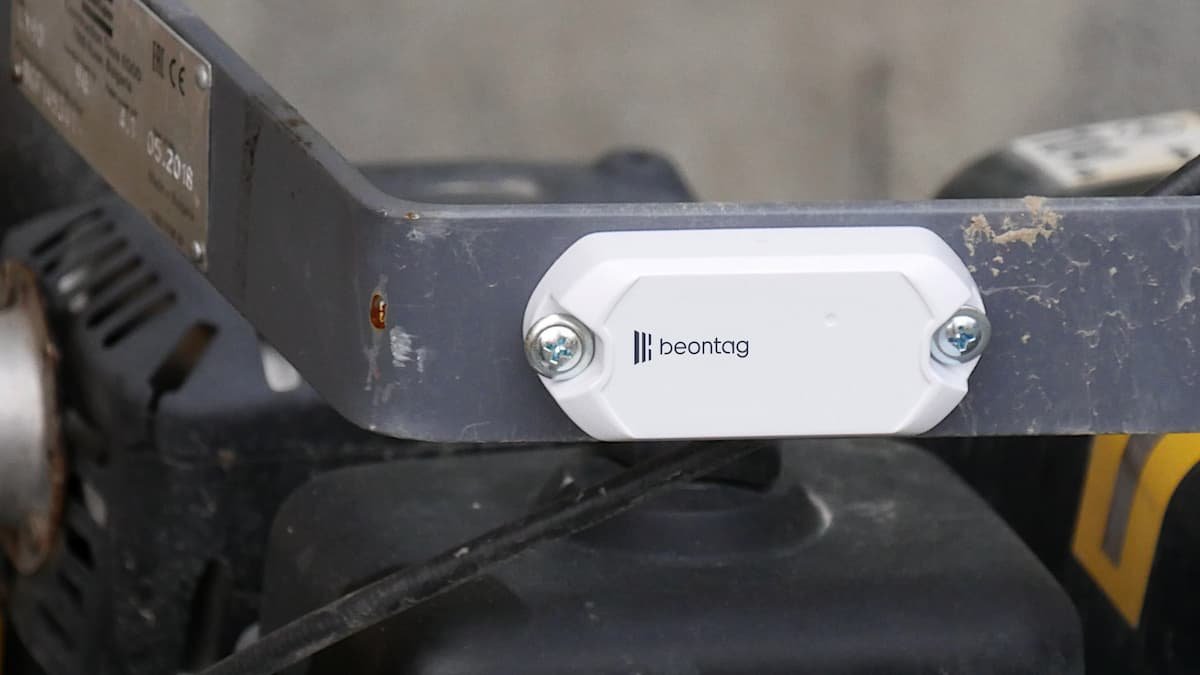
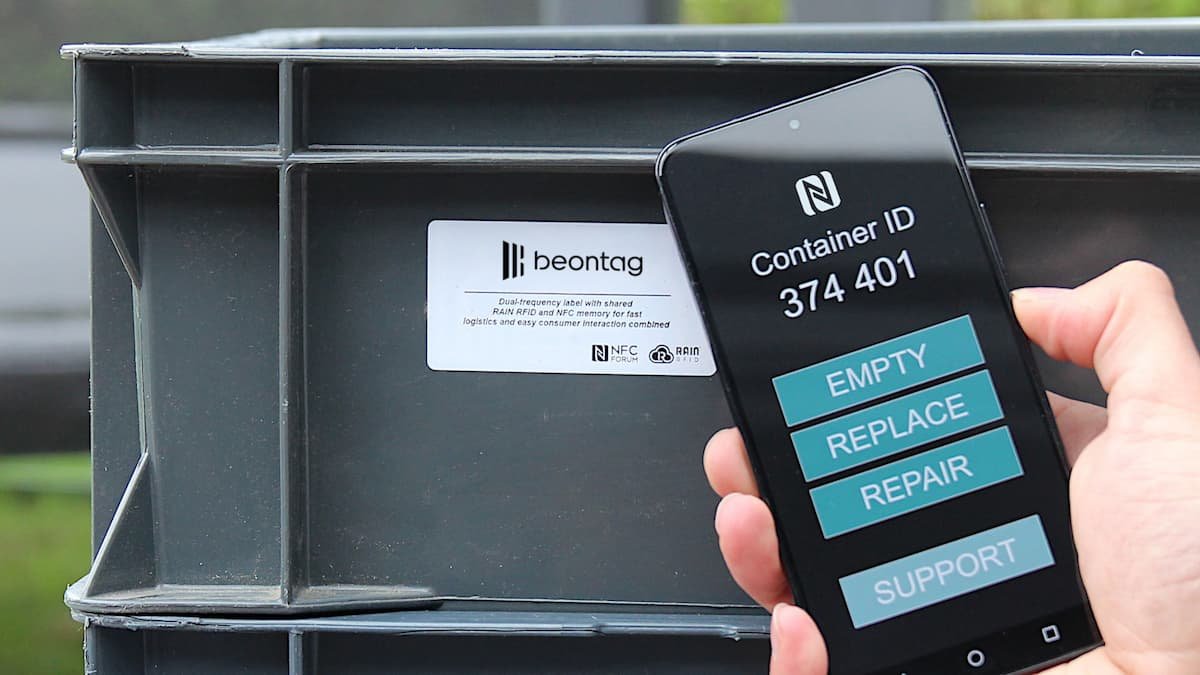
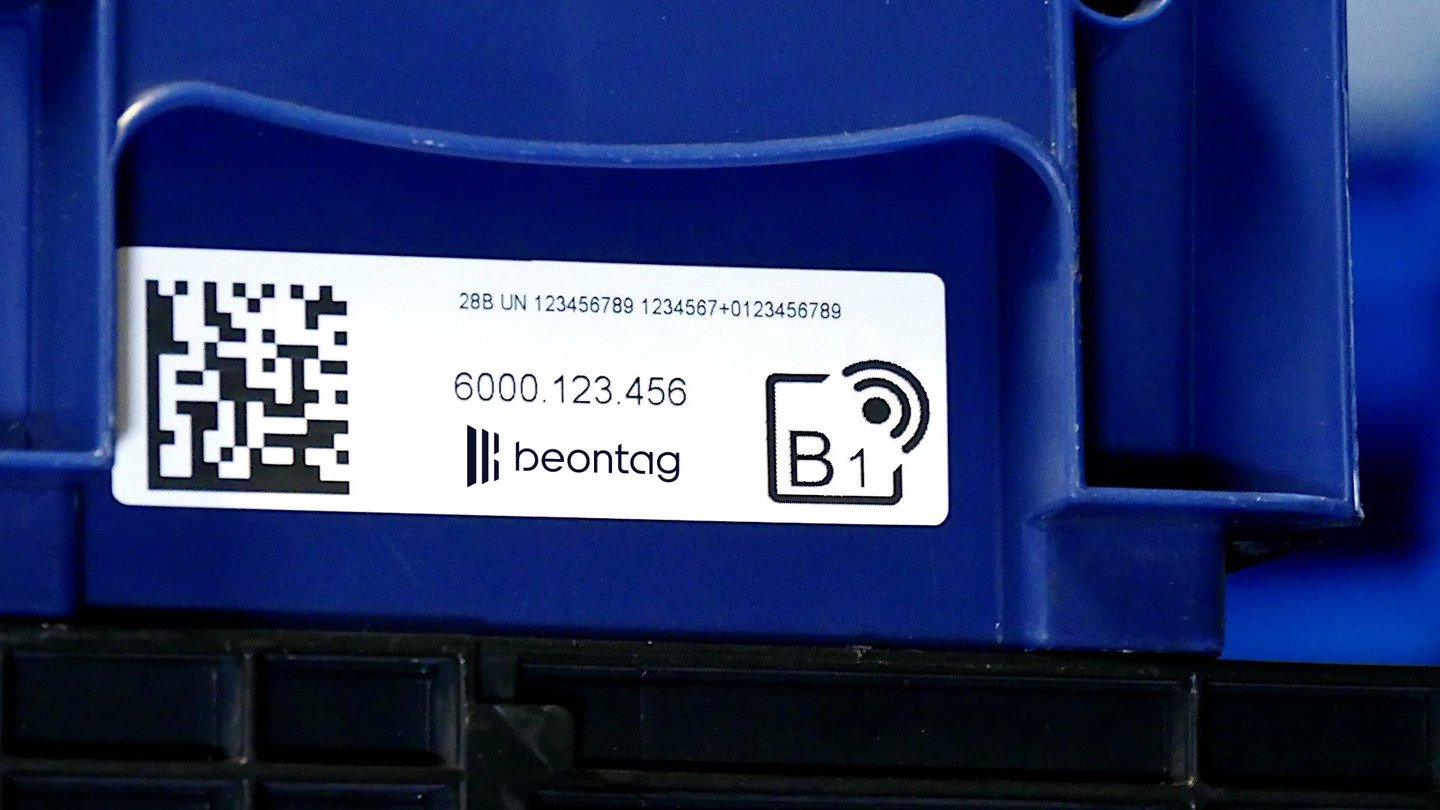
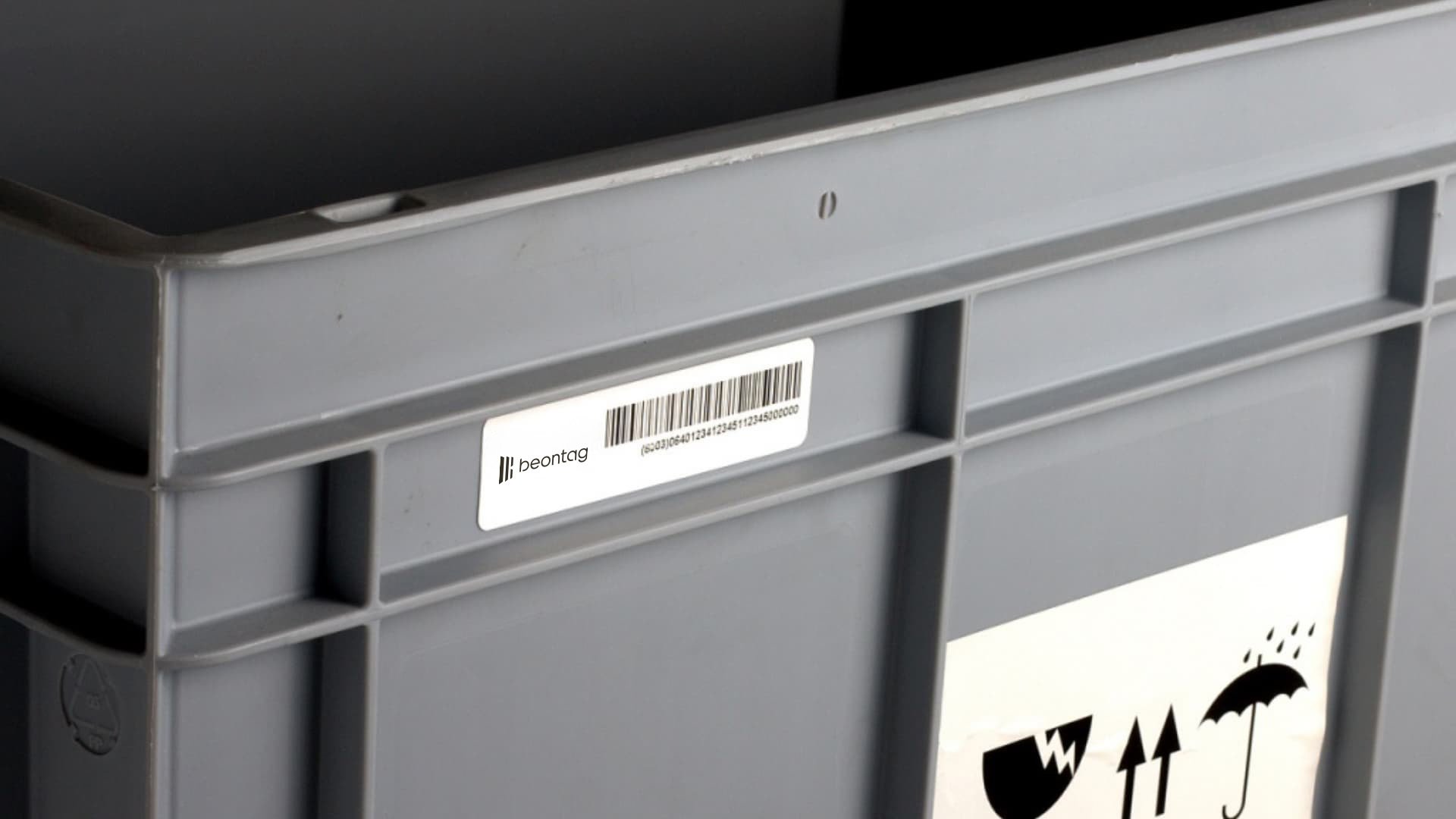
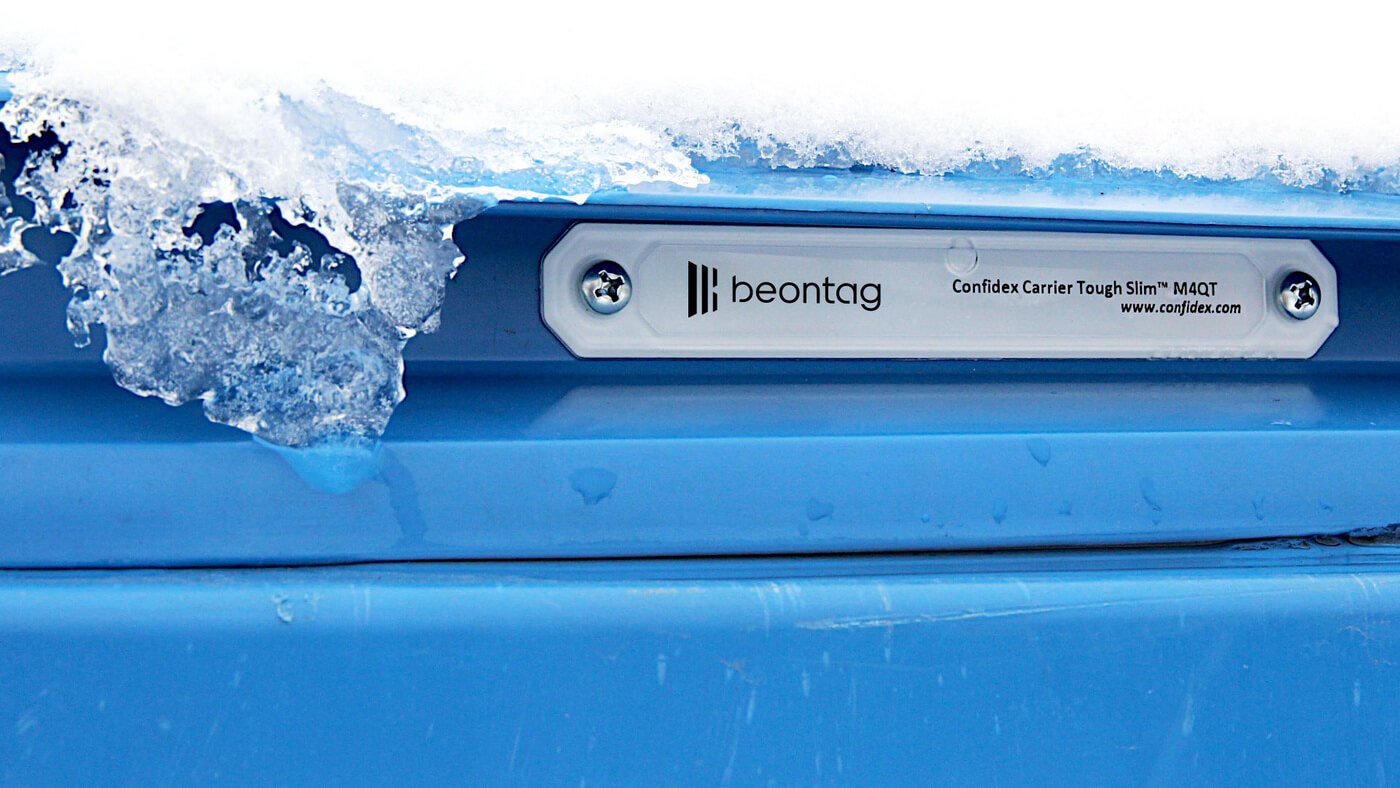
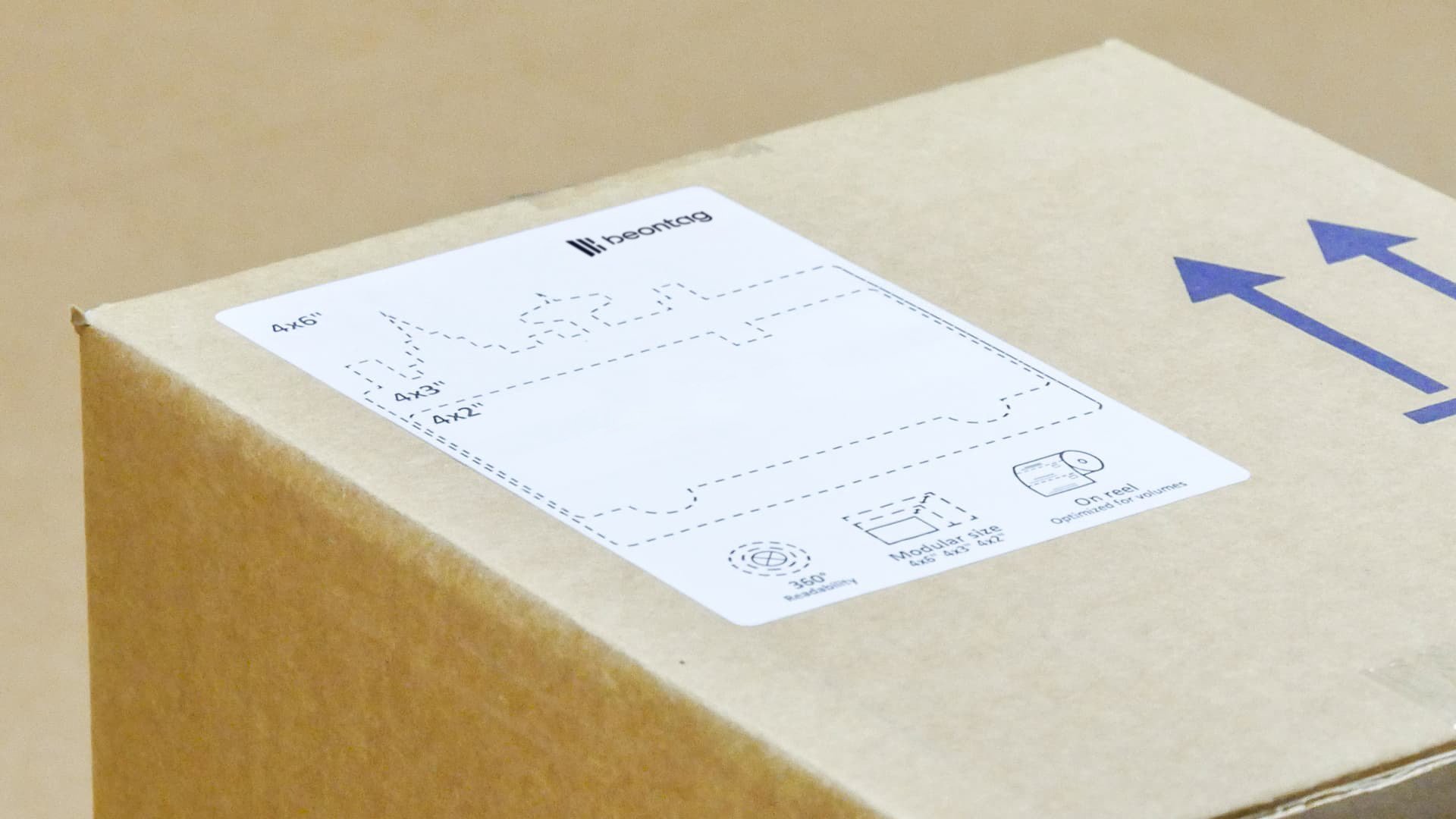
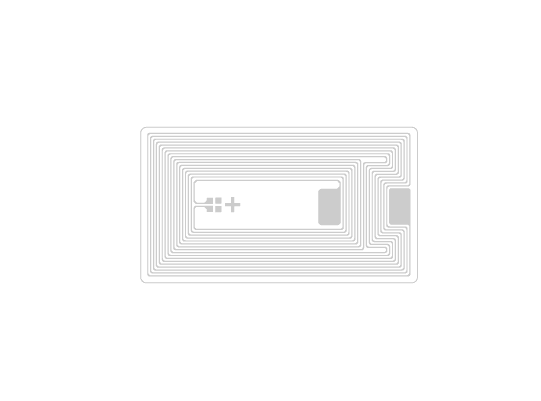
Check out our categories for RFID tags and Labels:
Adopting RFID and supply chain management can present initial obstacles. High upfront investment, infrastructure upgrades, and the need for integration with existing systems are common concerns.
Companies may also face challenges related to staff training, large-scale data management, and ensuring that tags work reliably in environments with metals, liquids, or extreme conditions.
Despite these barriers, the advantages of RFID far outweigh the difficulties. The key is choosing the right partner to guide implementation.
Many businesses hesitate due to uncertainty about scalability or long-term ROI, but proven expertise and tailored solutions can help mitigate these risks and accelerate the adoption process effectively.
Beontag addresses these challenges with a broad portfolio of RFID tags and labels designed for varied industries and tough operational settings.
From retail and logistics to automotive and healthcare, Beontag delivers innovative, high-performance products that ensure accurate, reliable data capture.
With global support and deep know-how, they simplify integration, reduce complexity, and empower businesses to fully realize RFID’s potential.
The future of RFID and supply chain management looks promising.
Advancements like AI-powered analytics, blockchain integration, and IoT connectivity are enhancing RFID capabilities.
These innovations provide end-to-end visibility, predictive insights, and stronger security.
For instance, pairing RFID with blockchain ensures immutable records of product journeys.
This improves trust and compliance in industries like pharmaceuticals or food. AI tools can analyze RFID data to forecast demand and optimize routes, reducing costs further.
Sustainability is another trend. RFID-enabled reusable packaging and eco-friendly tags support greener supply chains.
Companies adopting these practices not only cut costs but also improve brand reputation. The future of RFID lies in combining efficiency with sustainability.
RFID is no longer an emerging technology. It’s a proven driver of efficiency, accuracy, and cost savings.
From real-time tracking to serialized traceability, it addresses the most pressing challenges in supply chain operations.
Companies that adopt RFID early gain a competitive advantage in a fast-changing market.
At Beontag, we provide RFID tags, labels, and solutions tailored for logistics, retail, and industrial operations.
By choosing Beontag, you access innovative supply chain solutions designed to scale along with your business.
Explore our RFID and supply chain management portfolio today and discover how your organization can achieve real-time visibility, reduce costs, and improve efficiency.
Visit our catalog to discover reliable resources or contact us now for personalized solutions.