



Understanding RFID Hard Tags: Function, Benefits, and Selection

Stay up to date, subscribe to our newsletter!
SubscribeRFID read range is the maximum distance at which a tag can be detected by a reader. Keep reading to understand what affects this distance and how different RFID types perform.


Understanding the true factors behind RFID read range is essential for any business aiming to improve visibility, accuracy, and performance in RFID-enabled operations. RFID technology has become a critical enabler of efficiency across industries.
Yet many organizations experience inconsistent reading performance due to surface materials, tuning issues, environmental interference, or unsuitable tag selection. These challenges often result in data gaps, reduced automation reliability, and complex operational workarounds that undermine productivity.
Fortunately, optimizing RFID read range is entirely achievable with the right combination of engineering knowledge, tag selection, and real-world testing. Continue reading to better understand range-driving factors and how to maximize performance with Beontag’s RFID expertise.

RFID read range refers to the maximum distance at which a reader can successfully energize and communicate with a tag. This distance varies based on frequency, tag type, antenna design, and environmental conditions. RFID systems typically operate in three types of frequency and produce different performance profiles. The frequencies are:
Understanding that RFID read range depends not only on frequency but also on matching the tag to the environment helps avoid common deployment issues. For example, Beontag’s UHF RFID portfolio is engineered to provide consistent performance across diverse surfaces, including challenging materials such as metal, liquids, or dense packaging.
RFID tags are generally classified into passive, active, and battery-assisted passive (BAP) tags, and each type offers different read ranges based on its power source, design, and application. While frequency influences performance, the biggest difference in reading range comes from how the tag is powered and how it communicates with the reader.
Passive RFID tags have no internal power source and rely entirely on the energy emitted by the reader to activate and respond. Because of that, they have the shortest reading ranges, but they are also the most cost-effective and widely used.
Typical reading range:
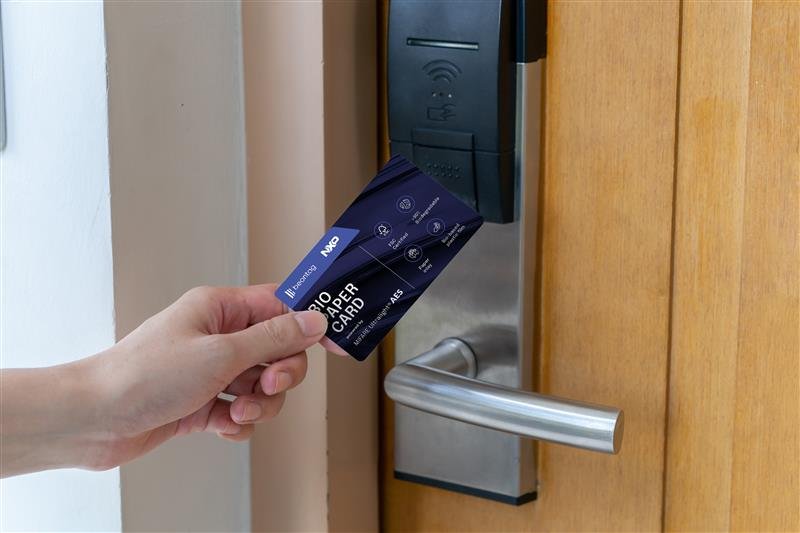
Ideal for: secure access control, item-level tagging, libraries, ticketing, retail, logistics, and inventory.
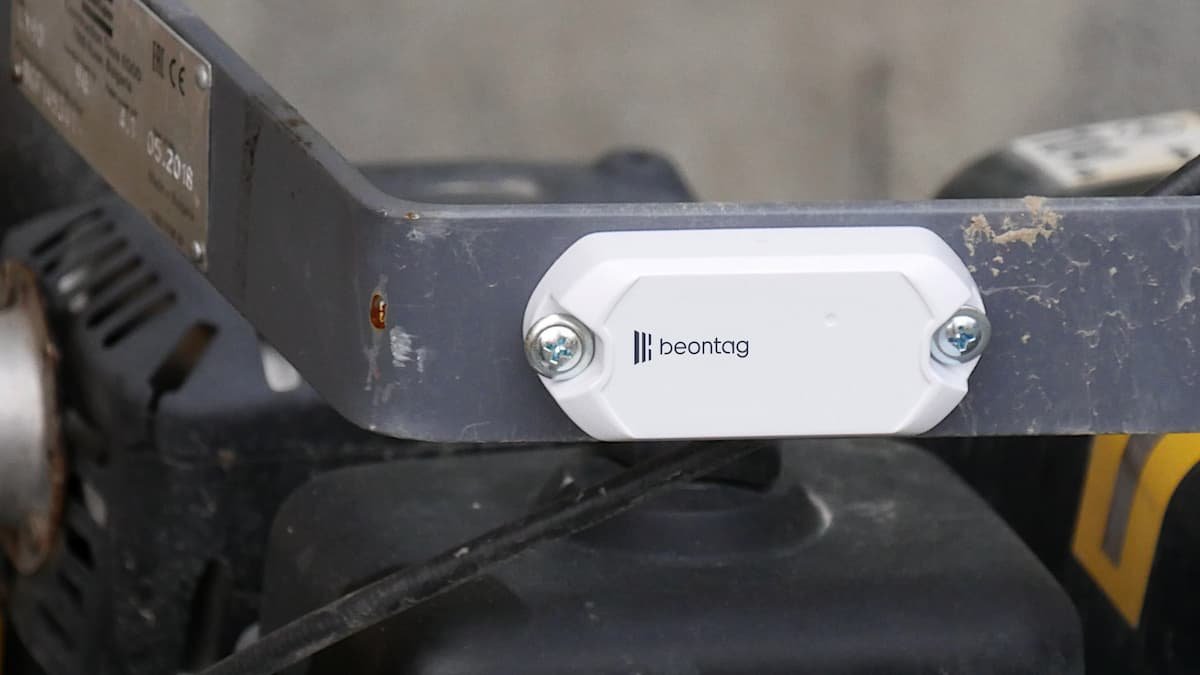
Battery-Assisted Passive (BAP) tags include a small battery that powers the chip but still rely on the reader’s signal to communicate. This gives them longer read ranges and better performance in challenging materials such as liquids and metals.
Typical read range: 15–30 meters
Ideal for: assets that need better reliability than passive UHF but don’t require continuous broadcasting, such as tools, reusable containers, equipment tracking, and harsh-environment applications.
Active RFID tags have their own battery and constantly emit signals, allowing them to achieve the longest ranges and enable real-time tracking. Because they transmit their own signal, they are typically used for high-value assets and real-time location systems (RTLS).
Typical read range: 50–200+ meters, depending on the tag and system
Ideal for: vehicle tracking, access gates, large-scale industrial monitoring, mining, construction, and RTLS applications.
Understanding the elements that influence RFID read range allows teams to build optimized systems instead of relying on theoretical performance alone. Given the mutual interaction of every factor, correct tag selection and comprehensive testing are critical for achieving predictable results in real-world scenarios
A tag’s construction has a major impact on performance. Material interactions must be considered during design. Compact tags, though convenient, may compromise range if placed improperly or matched to the wrong material.
Reader and tag antennas form the communication link, making orientation and design essential. Misalignment between antennas and tags can drastically reduce sensitivity and overall RFID read range. That happens because positioning affects the quality of the electromagnetic field.
Multiple antennas can create overlapping read zones that cover blind areas, but thoughtful configuration is recommended to avoid interference. Understanding polarization, angle and field strength helps organizations maintain consistent reading performance even when tags are moving quickly or randomly oriented.
Environmental factors like machinery, shelving and dense product configurations can obstruct or scatter signals. Even humidity and temperature fluctuations may influence material properties and therefore RFID read range.
For example, metal surfaces reflect energy and detune many standard tags, shortening range and reducing read reliability. Liquids absorb UHF energy, hindering communication and limiting detection through thick containers.
These effects highlight the importance of choosing tag designs suited to their target materials. Identifying interference sources early and adjusting placement, shielding or channel configuration can significantly improve consistency in performance.
Reader power settings define how much energy reaches the tag. While higher power usually increases range, regulatory limits in ETSI or FCC regions restrict maximum output. This makes system configuration vital to ensure range optimization occurs within legal boundaries while maintaining stable communication.
Proper component selection minimizes these losses and strengthens overall system performance. Reader parameters such as sensitivity, modulation schemes, and session settings affect how well the system captures return signals. Tuning the system to its environment ensures RFID read range expectations are met consistently.
With an understanding of primary drivers, organizations can adopt targeted methods to maximize performance. Optimization focuses on selecting appropriate tags, strategic equipment placement, and performance validation under real conditions. Up next, you’ll get some advice on each of these topics.
Matching tag tuning to the material is essential. For example, foam-backed or on-metal tags maintain resonance on metallic surfaces. Choosing an unsuitable tag leads to reduced RFID read range, even with high-quality readers or antennas.
Beontag’s engineering team supports customers with material analysis and inlay recommendations. By identifying the optimal combination early, organizations prevent deployment failures and achieve stable long-range performance across their specific items and packaging types.
Adjusting reader antenna tilt, height, and polarization dramatically affects field uniformity. Proper orientation ensures maximum energy alignment with tag antennas, improving capture probability and extending range across scanning zones.
This is especially important in portals or conveyor systems where items pass quickly and orientation varies. Small adjustments often produce significant improvements in read reliability and coverage area, making this step a crucial part of RFID deployment planning.
Laboratory results represent idealized conditions, so it’s important to validate the ideal range in real environments. That’s because it may contain metal structures, interference sources, payload density, and movement patterns that could influence RFID read range.
Environmental validation ensures tags remain readable under stacking, temperature changes, and different orientations. It also provides insights for tag choice, antenna placement, and power tuning.
RFID operates under regional regulations that influence achievable range. ETSI regions limit power more strictly than FCC regions, meaning deployments must adjust tag choice and antenna design accordingly. Overlooking these requirements can lead to disappointing results.
Our engineering teams, here at Beontag, help customers evaluate frequency compliance, perform range testing and select inlays tuned for regional bands. This tailored support ensures consistent performance regardless of the regulatory environment.
Real-world environments introduce conditions that can either support or hinder RFID communication. Evaluating environmental factors during installation allows teams to design robust systems that require minimal adjustments later. Combined with environmental testing, these insights contribute to more predictable RFID read range outcomes.
Some of these environmental factors are:
Misconceptions about RFID performance often lead to the wrong tag selection and system design. We’ll clarify these myths to help you make informed choices to bring real improvement, reliability, and system efficiency.
In fact, increasing reader power does not guarantee longer range or stability. Excessive power may cause interference, multipath effects, or unwanted tag excitation outside intended zones.
Better RFID performance comes from tuning antennas, selecting appropriate tags and optimizing configuration, not just increasing power.
UHF tags vary widely in antenna design, chip sensitivity, material compatibility and size, all of which influence RFID read range. Assuming equal performance across tags leads to poor results.
Performance for all RFID tags must be evaluated based individually on intended material, product type, and environmental conditions.
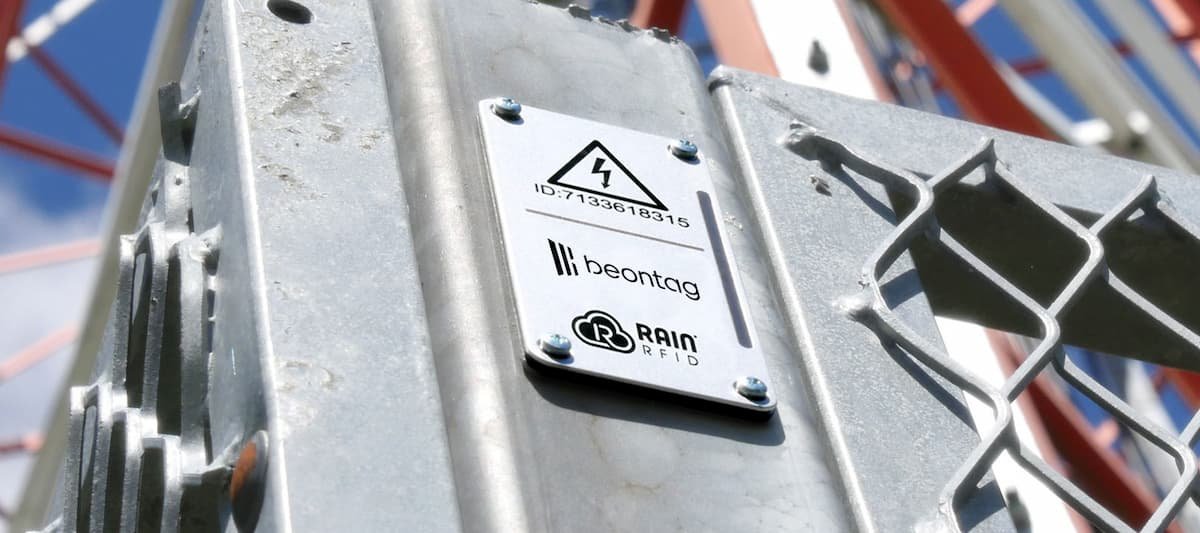
Modern engineered tags, including Beontag’s on-metal inlays, overcome the limitations posed by metal and liquid environments.
These specialized designs prevent detuning, enhance sensitivity, and allow UHF RFID to operate reliably in conditions previously considered unsuitable.
Real-world RFID examples can show how read range behaves outside controlled environments. Different industries face unique challenges that influence performance. The examples below illustrate how optimizing tag selection, materials, and system tuning leads to more reliable and efficient results in practice.
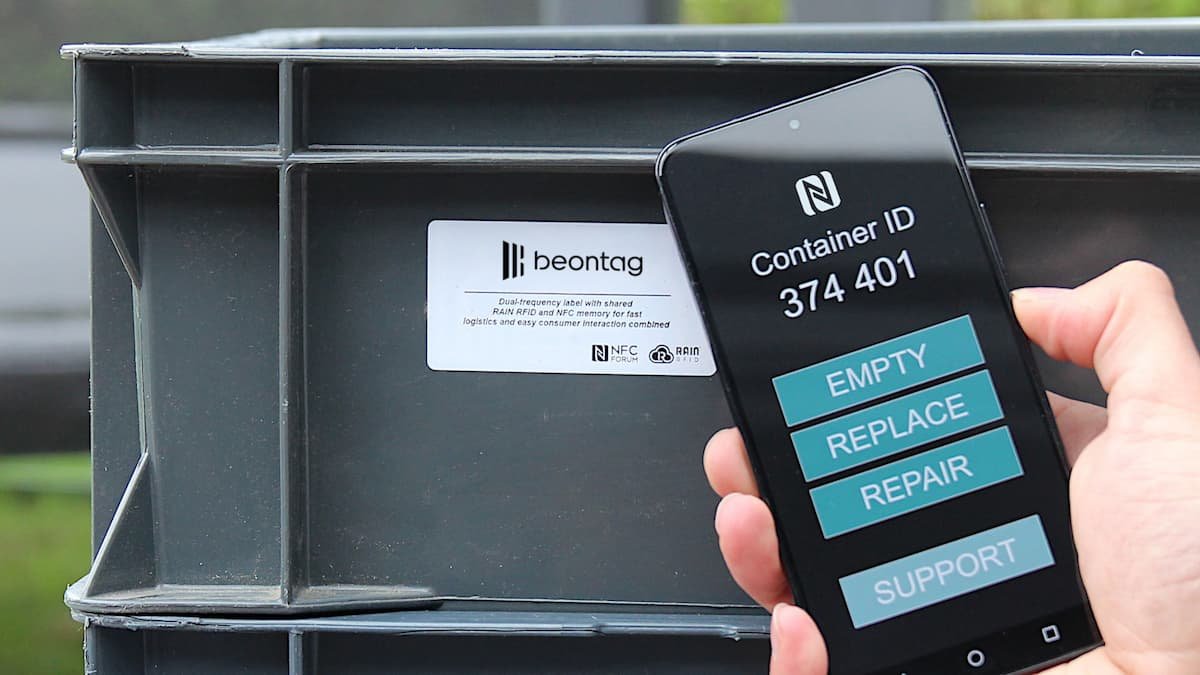
Beontag’s real-world applications illustrate how optimizing tags, materials and system setup enhances read range and reliability. At Goodpack, robust on-metal tags enabled accurate tracking of metal intermediate bulk containers, improving supply chain efficiency across global operations through reliable long-range readings.
Brazilian manufacturer Magnetron integrated RFID onto metal-based motor components, using engineered tags designed to overcome interference. This improved packaging visibility, increased accuracy and accelerated order processing, showing how tailored tag selection improves performance in complex environments.
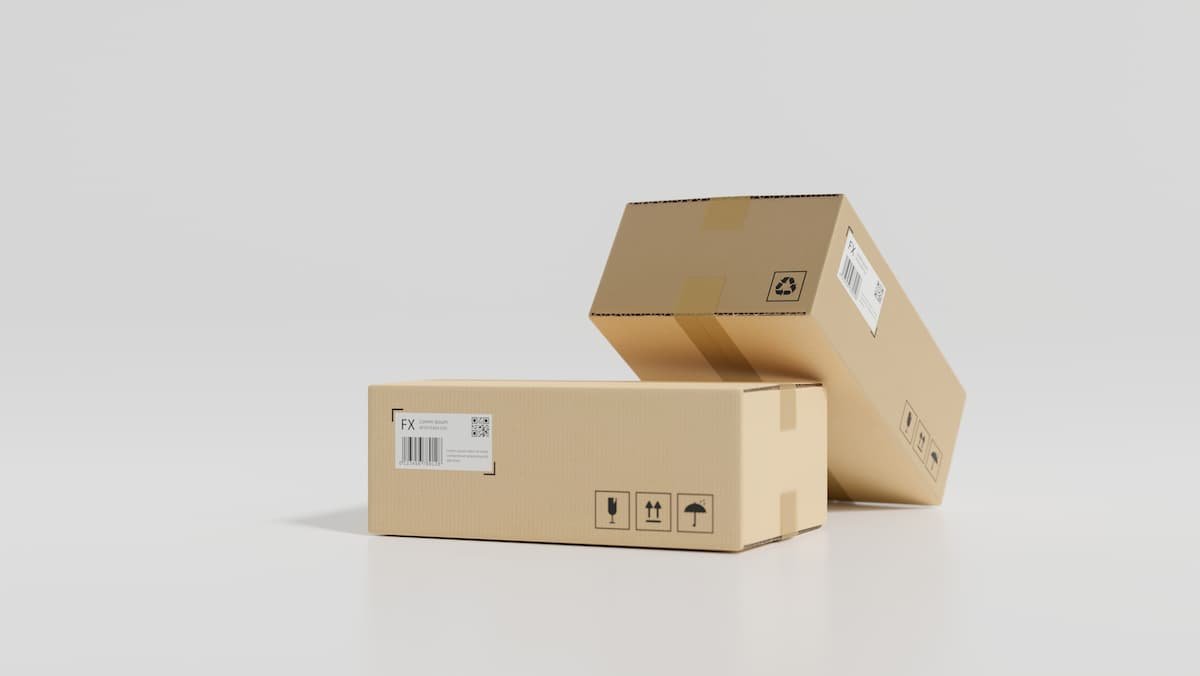
Oxford’s logistics expansion involved tagging packaging materials such as cardboard and wood boxes. Optimized tag types and strategic antenna placement allowed consistent reads across pallets and conveyor systems, demonstrating the value of frequency-aligned performance and correctly tuned antenna environments.
Beontag’s approach combines engineering expertise, diverse product design and sustainability principles to support customers seeking reliable and efficient RFID performance across industries and applications.
Beontag collaborates closely with customers to analyze materials, environments, and performance goals. The engineering team supports testing, compliance evaluation, and inlay tuning to ensure that real-world RFID read range meets expectations. This guidance helps companies deploy systems with predictable results.
With a broad suite of tags, Beontag includes retail tags, logistics inlays, industrial hard tags and on-metal solutions to ensure coverage across all surfaces and application types. Each product line is optimized for range, durability, and environmental compatibility.
Beontag’s ECO RFID product line offers recyclable and low-impact tags without sacrificing performance. These sustainable solutions support both circular-economy goals and high-quality read performance, making them ideal for companies seeking environmentally responsible technology adoption.
Achieving reliable and extended RFID read range depends on matching design, materials, environmental awareness and expert validation. Beontag delivers engineering support, high-performance inlays and testing resources that help businesses build RFID systems optimized from the start.
Explore Beontag’s full RFID portfolio and talk to our team of specialists to start improving your company’s performance, increase accuracy, and elevate your operational intelligence at scale.