



Understanding RFID Hard Tags: Function, Benefits, and Selection

Stay up to date, subscribe to our newsletter!
SubscribeSelf-Adhesive Labels for Pharmaceuticals must meet strict regulatory, safety, and traceability standards while withstanding demanding storage and handling conditions. From compliance to cold-chain durability, pharmaceutical labels require precision. Explore how to design compliant, reliable pharma labeling systems.


Pharmaceutical packaging is one of the most regulated and technically demanding labeling environments in the world. Labels are not merely branding elements because they are critical carriers of dosage instructions, safety warnings, batch identification, and traceability information that directly impact patient health and regulatory compliance.
Errors in pharmaceutical labeling can lead to product recalls, compliance penalties, or serious safety risks. This complexity makes label construction and material selection a strategic, not operational, decision.
This guide explains how Self-Adhesive Labels for Pharmaceuticals are designed to meet compliance requirements, survive real-world conditions, and support serialization mandates. Continue reading to understand how to build pharmaceutical labeling systems that combine safety, durability, and traceability from the start.
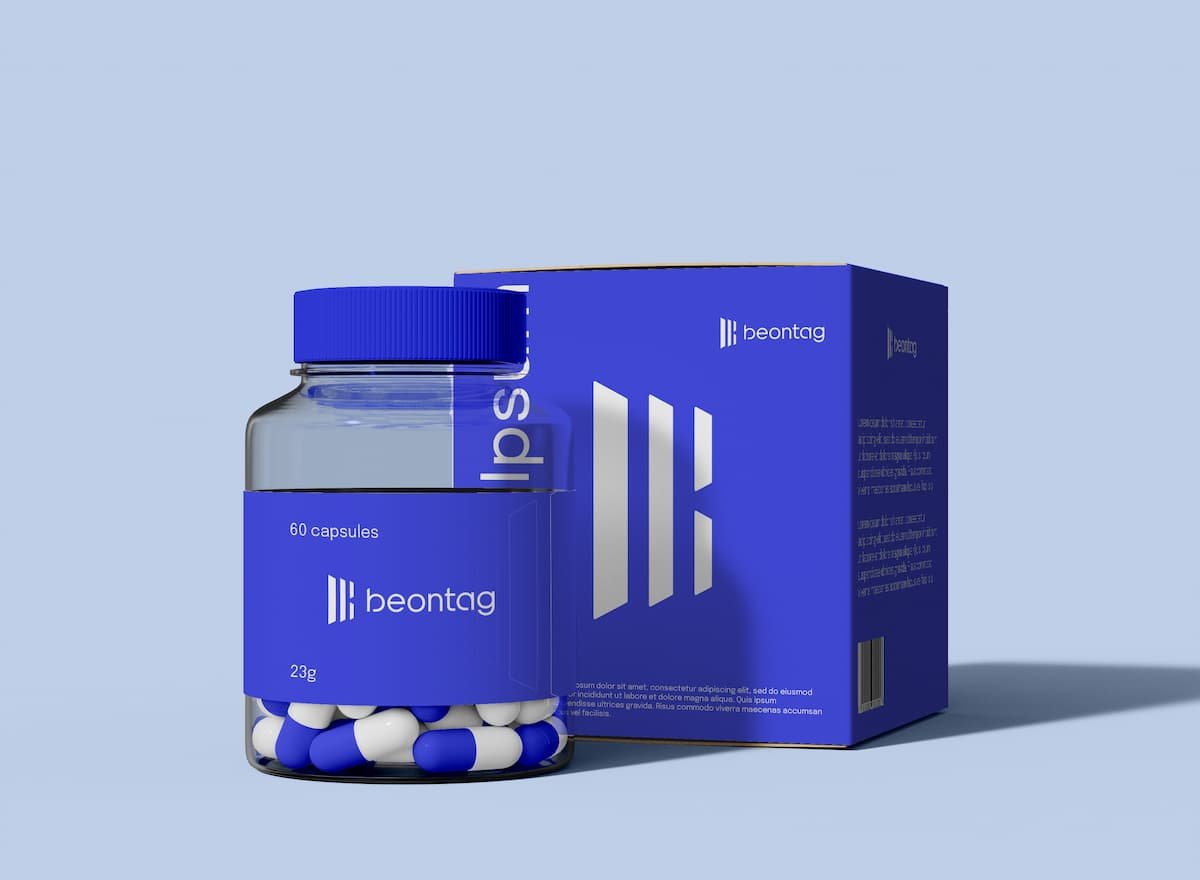
Pharmaceutical labels are different because they must meet strict regulatory, safety, and traceability requirements that go far beyond conventional packaging. They function as legal documents, safety instructions, and supply chain identifiers simultaneously, making accuracy and durability non-negotiable.
Unlike retail labels, pharmaceutical labels must comply with regulations such as FDA requirements and serialization mandates under frameworks like the Drug Supply Chain Security Act (DSCSA). These standards define how product information, lot numbers, expiration dates, and identifiers must appear and remain legible.
Additionally, pharma labels must maintain adhesion and readability across controlled environments, including cold storage, sterile facilities, and transportation conditions. This combination of compliance pressure and environmental exposure makes self-adhesive labels for pharmaceuticals uniquely demanding.
In pharmaceutical packaging, self-adhesive labels refer to pressure-sensitive constructions that adhere with applied pressure and require no heat or water activation. Their clean application process supports sterile environments and automated packaging lines.
Self-adhesive labels for pharmaceuticals are typically supplied on rolls with release liners, allowing precise dispensing and high-speed application. This reduces contamination risk and ensures consistency during large production runs under GMP-controlled environments.
Because pharmaceutical operations prioritize efficiency and cleanliness, pressure-sensitive systems are preferred for their reliability, minimal mess, and compatibility with serialization printing technologies used in modern pharmaceutical packaging lines.
Compliance is the foundation of pharmaceutical labeling. Regulations define not only what information must appear on packaging but also how durable, readable, and traceable that information must remain throughout the product’s lifecycle.
These self-adhesive labels for pharmaceuticals must support regulatory alignment with national and international standards. These include FDA labeling rules, DSCSA traceability requirements, and global serialization frameworks guided by GS1 standards.
The following compliance pillars influence label design, material choice, and print technology selection in pharmaceutical packaging environments.
Pharmaceutical labeling rules define mandatory content such as active ingredients, dosage, warnings, lot numbers, and expiration dates. Text size, contrast, and placement must ensure readability and prevent medication errors.
Labels must maintain clarity throughout distribution and storage. Smudging, fading, or detachment may result in non-compliance and safety concerns. Durability is directly linked to regulatory performance.
Good Manufacturing Practice (GMP) standards require strict control over labeling processes to prevent mix-ups and ensure traceability. Label storage, issuance, and reconciliation must follow documented procedures.
Self-Adhesive Labels for Pharmaceuticals must support these controls through consistent roll quality, reliable dispensing, and validated printing performance. Material traceability and supplier documentation also contribute to GMP compliance.
Pharmaceutical labels must endure environmental and mechanical stress without compromising compliance or readability. They are exposed to temperature changes, moisture, handling, and chemical contact throughout manufacturing and distribution.
It must balance strong adhesion with chemical resistance and print durability. Performance failures can disrupt supply chains and invalidate serialized tracking.
Check out some of the key real-world challenges that pharmaceutical labels must consistently withstand.
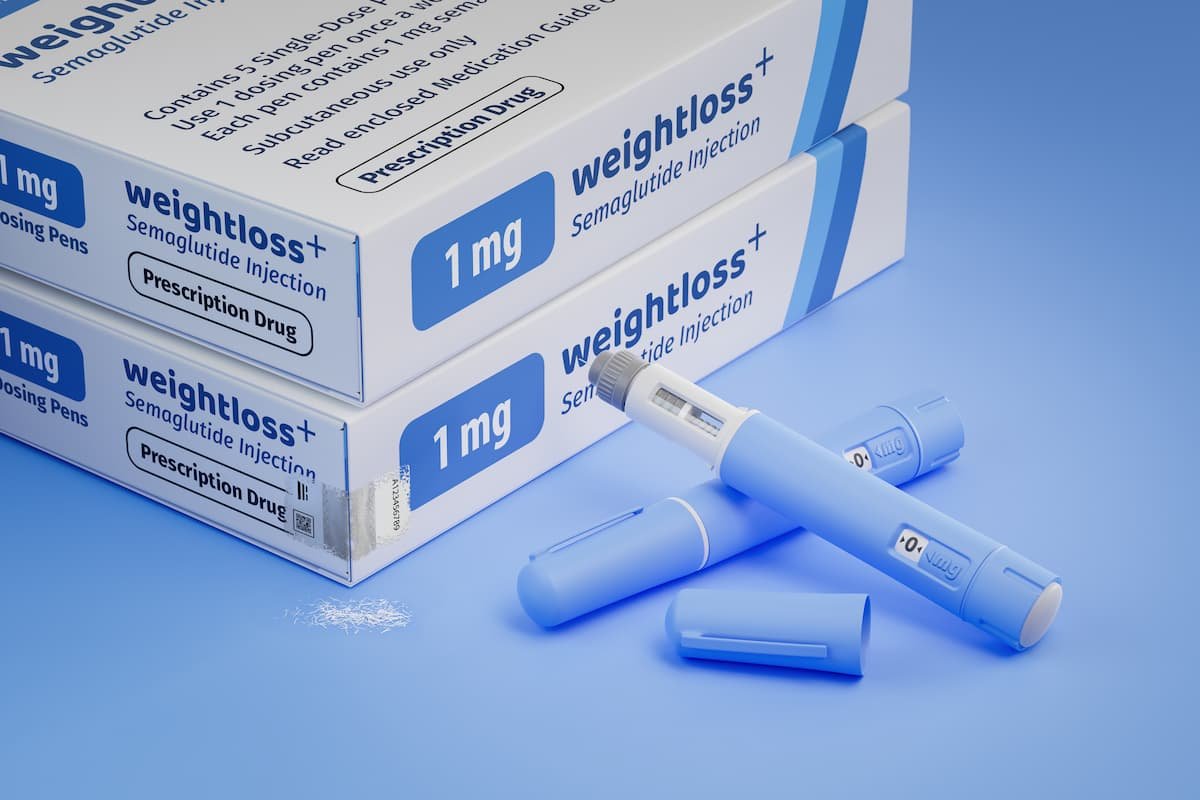
Many pharmaceutical products require refrigeration or freezing during storage and transport. Adhesives must maintain track and shear strength at low temperatures while resisting condensation.
Humidity fluctuations can weaken adhesion or affect facestock stability. Frequent handling during distribution increases abrasion risks. Cold-chain performance is therefore a primary selection criterion.
[TEXT IMAGE #2: Self-adhesives for the pharmaceutical line - com logo.jpg]
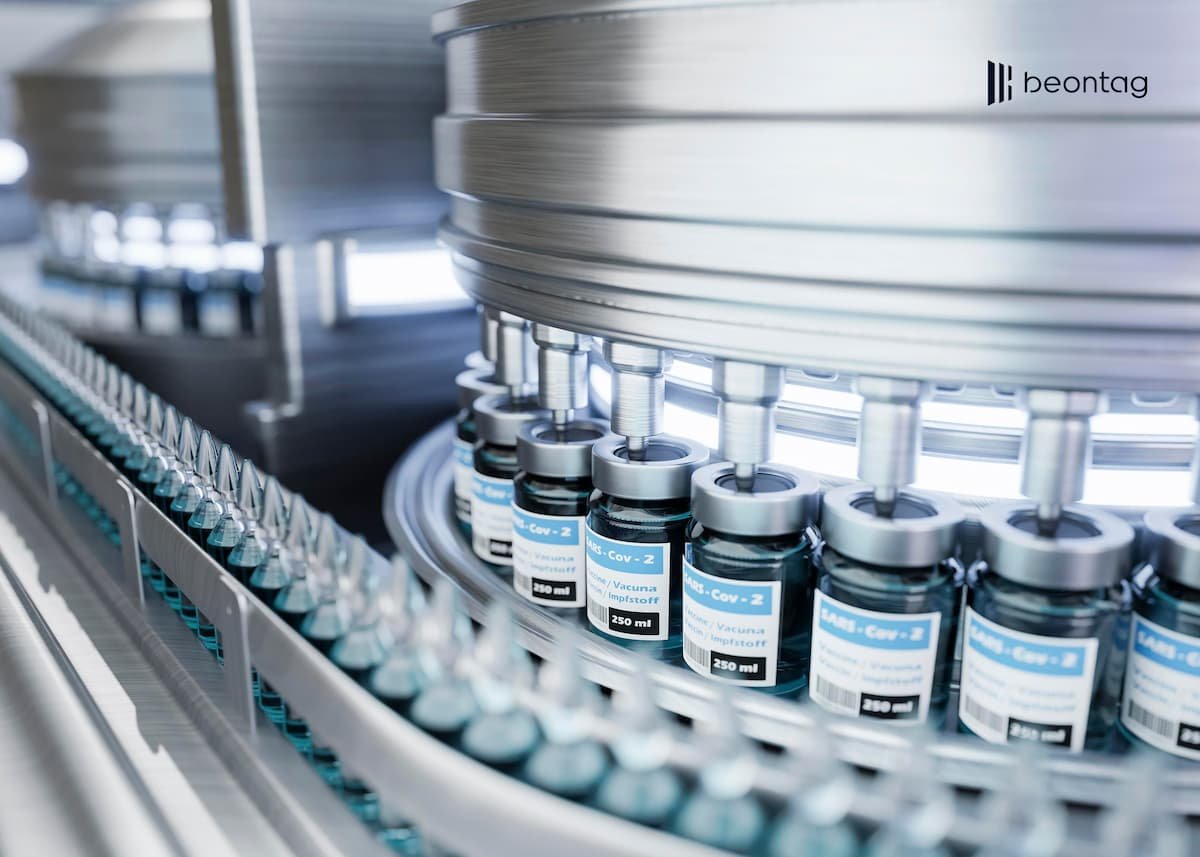
Pharmaceutical labels may contact alcohol wipes, cleaning agents, or sterilization chemicals. Adhesives and facestocks must resist degradation, smearing, or discoloration under exposure.
Durability ensures that critical information remains intact. Chemical resistance testing is often part of qualification protocols. This resilience supports compliance and patient safety.

Pharmaceutical packaging commonly uses glass vials, HDPE bottles, blister packs, and cartons. Each substrate presents different surface energy characteristics.
Self-Adhesive Labels for Pharmaceuticals must be compatible with smooth glass, textured plastics, or coated cartons. Correct adhesive selection prevents edge lift and flagging across formats.
Self-Adhesive Labels for Pharmaceuticals are used across multiple primary and secondary packaging formats, each requiring specific performance characteristics and compliance alignment. Common applications include:
Check out more applications for Beontag’s Graphic and Label Materials.
Serialization has transformed pharmaceutical labeling by requiring unique product identifiers on each saleable unit. Self-adhesive labels for pharmaceuticals must now accommodate complex variable data and scannable codes without compromising durability.
Regulations such as DSCSA mandate traceability across the supply chain, while GS1 standards define DataMatrix structures and encoding rules. Label construction must support precise printing and reliable scanning.
The following tracking components directly impact pharmaceutical label design and material selection.
National Drug Code (NDC) linear barcodes remain common in U.S. pharmaceutical labeling. They must remain scannable throughout storage and handling.
Adhesive stability prevents wrinkling that could distort barcodes. Print clarity ensures accurate scanning at distribution points. Reliability reduces supply chain disruptions.
2D DataMatrix codes enable serialization and track-and-trace compliance. They store more data in smaller spaces, making them ideal for compact pharmaceutical packaging.
Self-Adhesive Labels for Pharmaceuticals must support high-resolution printing and stable surfaces. Compliance readiness depends on consistent code readability.
Print verification systems inspect barcode quality during production. Labels must maintain surface integrity to pass grading standards.
Adhesive and facestock compatibility directly influence print sharpness. Consistent performance supports regulatory audits.
Choosing the right label construction for pharmaceutical applications means aligning compliance, environment, substrate, and print technology requirements from the beginning.
Self-Adhesive Labels for Pharmaceuticals must be evaluated as complete systems rather than isolated components. Material synergy ensures performance under GMP and serialization conditions.
The following structured approach helps guide material selection decisions.
Pharmaceutical label failures typically result from misaligned material selection or inadequate testing. Even small defects can compromise compliance and patient safety.
Common issues include edge lift under cold conditions, barcode distortion from wrinkling, and adhesive failure due to condensation exposure. Preventive strategies include substrate testing, environmental simulation, and validated adhesive selection.
A proactive qualification process significantly reduces operational risk. By addressing performance early, manufacturers ensure that Self-Adhesive Labels for Pharmaceuticals maintain integrity across production, distribution, and end use.
Pharmaceutical labeling demands precision, compliance alignment, and performance reliability. Material expertise plays a central role in ensuring labels withstand environmental stress, support serialization, and meet regulatory expectations.
Beontag develops advanced adhesive materials designed to meet complex labeling challenges across healthcare and pharmaceutical applications. With a strong portfolio of pressure-sensitive solutions and global technical support, Beontag contributes to reliable, compliant label systems.
Explore how Beontag’s portfolio of adhesive materials can support your pharmaceutical labeling strategy and contact our team to discover solutions engineered for compliance, safety, and tracking excellence.