Self-Adhesive Labels for Pharmaceuticals: Compliance, Safety, and Tracking

Stay up to date, subscribe to our newsletter!
SubscribeHF vs UHF RFID are two widely used frequency technologies with unique characteristics, ranges, and applications. Keep reading to understand which RFID is best suited for your needs.


RFID technology has become a driving force for digital transformation across industries. From supply chain management to healthcare, organizations depend on RFID for accuracy, speed, and efficiency. Among the available frequencies, the debate often centers around HF vs UHF RFID, since each offers distinct capabilities that influence business outcomes.
However, many companies struggle to identify which option best fits their operations. HF RFID may deliver security and precision, but UHF RFID provides longer reading ranges and greater scalability. Without understanding these differences, organizations risk investing in solutions that fail to deliver optimal value or adapt to their environment.
The good news is that businesses do not need to make this decision blindly. By learning the differences between HF vs UHF RFID leaders can make informed choices. Companies like Beontag provide global expertise and tailored RFID solutions. Let’s explore each technology in detail.

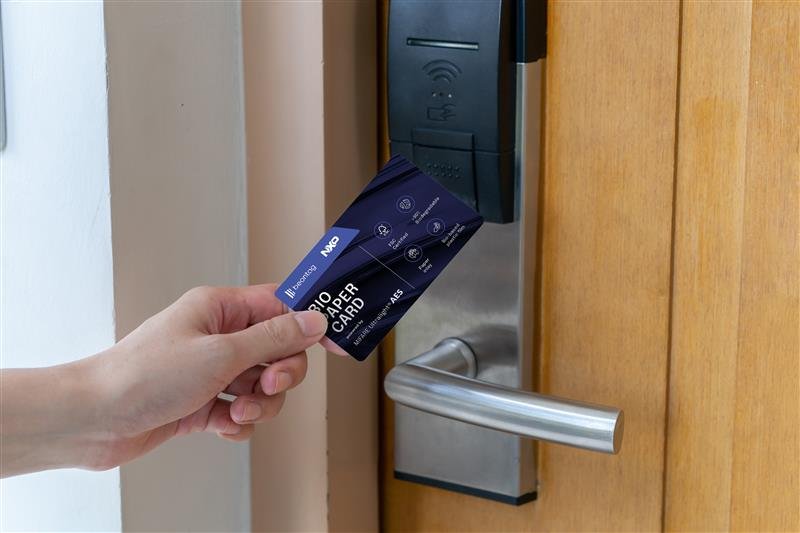
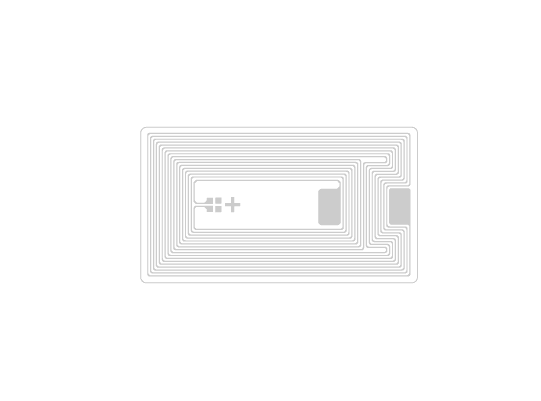
High Frequency (HF) RFID operates at 13.56 MHz and is widely recognized for its reliability and secure data transmission. HF tags are commonly used in environments where precision is essential, such as ticketing, contactless payments, or access control. In the debate of HF vs UHF RFID, HF stands out for short-range but highly dependable communication.
The range of HF RFID typically extends up to 10 centimeters to one meter, depending on the system design and environment. This limited distance may seem restrictive, but it is ideal for applications where close-range validation ensures accuracy. For example, transit systems or secure ID badges benefit from intentional proximity.
HF RFID is also valued for its resilience to interference from liquids and metals, making it suitable for challenging environments. Its data transfer speed and strong anti-collision protocols, enhance its effectiveness in controlled-use cases. When evaluating which RFID, businesses must consider these strengths for high-security and precise-use scenarios.
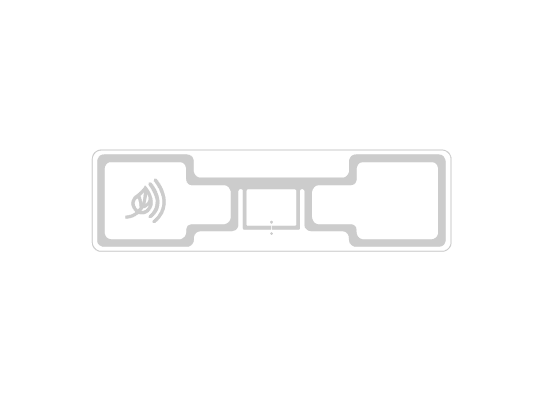
Ultra-High Frequency (UHF) RFID operates between 860 MHz and 960 MHz, depending on regional regulations. Unlike HF, UHF provides longer read ranges, often from several meters up to 12 meters or more. This makes UHF particularly effective for large-scale tracking, such as inventory management or logistics operations.
One key advantage of UHF RFID in the HF vs UHF RFID comparison is its ability to read multiple tags simultaneously at high speed. This scalability makes it attractive for industries where thousands of items need to be tracked in real time. Retail and warehouse environments are perfect examples where UHF maximizes efficiency.
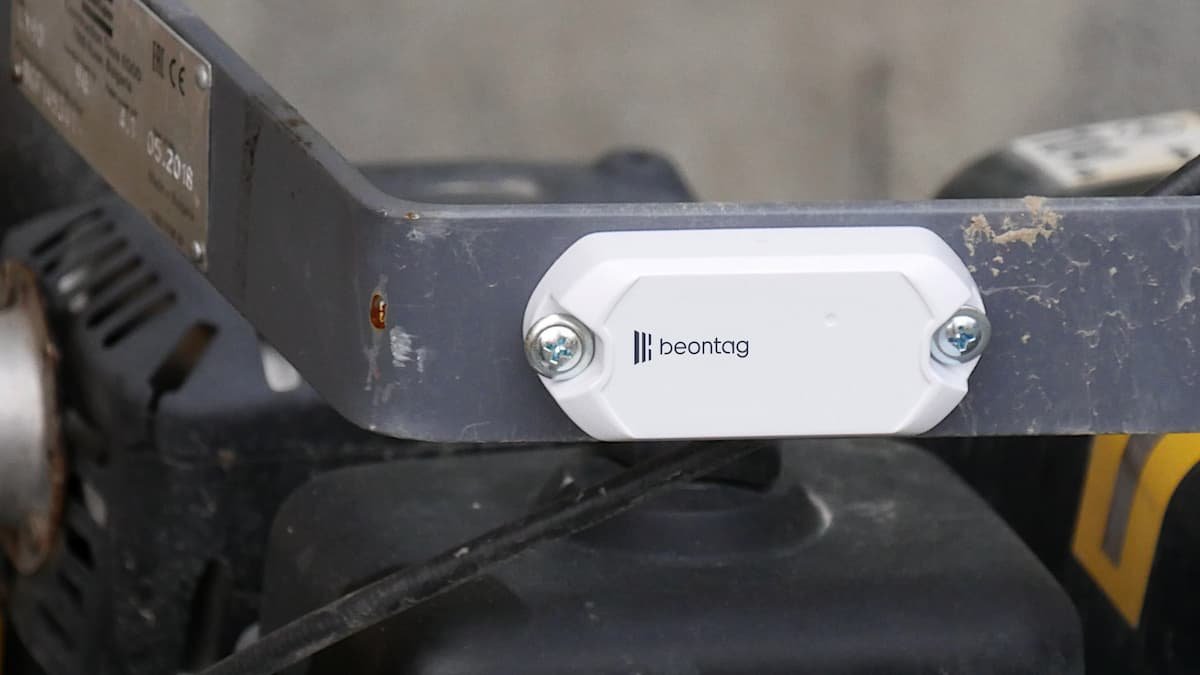
However, UHF RFID may face challenges in environments with liquids or dense metals, which can affect signal performance. Modern advancements, including innovative tag and antenna designs from providers like Beontag, have mitigated these issues, allowing UHF to deliver strong, consistent performance across diverse industries.
Want to know more about RFID technology? Check out our blog:
What are RFID Tags? Understanding Their Function and Uses
The importance of RFID Technology
When evaluating HF vs UHF RFID, understanding their differences is essential for making the right choice. Factors such as reading range, processing speed, cost of deployment, and environmental conditions all influence performance. Below, you’ll see the most relevant aspects to help businesses identify which frequency aligns best with their operational needs.
In the discussion of HF vs UHF RFID, one of the most critical distinctions lies in range and speed. HF RFID typically works at close distances, from centimeters up to one meter. By contrast, UHF RFID covers longer distances, reaching several meters or even tens of meters with specialized systems.
Speed also differentiates the two. UHF RFID can process and read hundreds of tags per second, which is vital in environments like retail or supply chains. HF RFID, while slightly slower, compensates with accuracy and control, ensuring that only intended tags are read in high-security settings.
These differences mean businesses must align their choice with operational goals. If precision is required for payments or access, HF RFID is suitable. For high-volume item tracking across larger distances, UHF RFID delivers clear advantages. Providers like Beontag ensure organizations adopt the right solution with optimized performance.
Cost plays a significant role in the HF vs UHF RFID decision. UHF RFID tags are generally more affordable, making them attractive for large-scale deployments, such as tracking thousands of retail items. HF tags, on the other hand, can be slightly more expensive but offer enhanced durability and secure features.
Infrastructure costs must also be considered. UHF systems require specific antenna installations and readers, which can increase upfront investment. However, these costs are often offset by efficiency gains in large-scale environments. HF systems, while requiring fewer components, are tailored for smaller-scale or security-focused applications.
Ultimately, cost should not be analyzed in isolation. Organizations must weigh the long-term value of accuracy, scalability, and reliability. With tailored solutions from Beontag, businesses can achieve cost-effectiveness without compromising performance, regardless of whether they choose HF or UHF RFID.
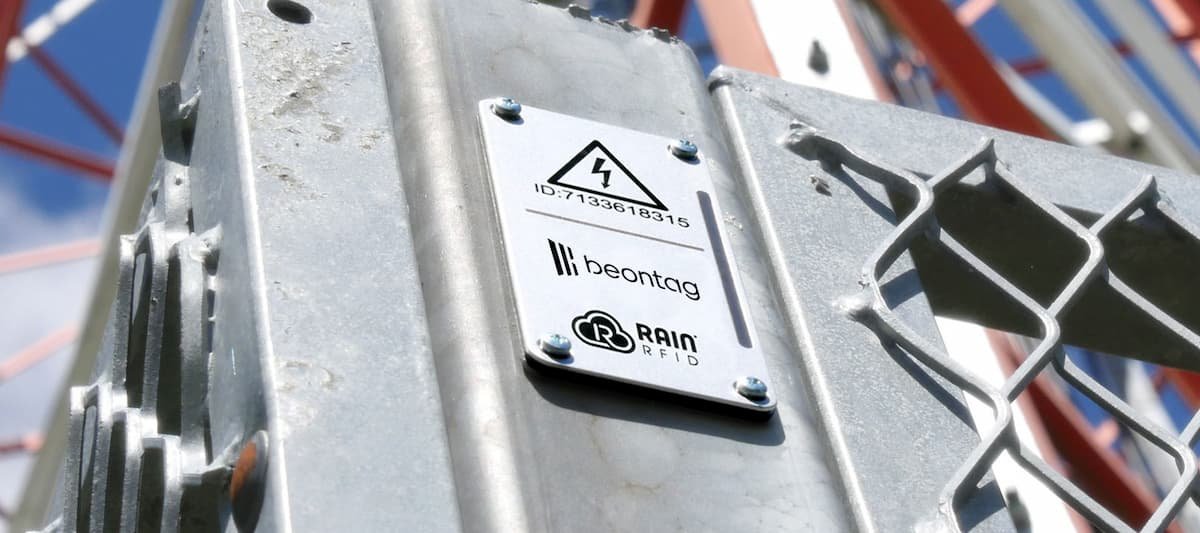
Another decisive element in HF vs UHF RFID is how environmental factors impact performance. HF RFID is less affected by interference from liquids or metals, making it effective in healthcare or industrial environments where materials may otherwise disrupt signals.
UHF RFID, while offering longer ranges, can be more sensitive to environmental disruptions. For instance, tags near water bottles or metallic surfaces may experience reduced readability. However, advanced solutions such as specialized inlays and antennas help overcome these challenges, enabling reliable UHF deployments even in complex conditions.
When choosing between HF and UHF RFID, organizations must carefully evaluate their operating environments. Collaborating with providers like Beontag ensures access to expert guidance and innovative products designed to thrive in challenging conditions.
Here’s a full comparison chart:
| Aspect | HF RFID | UHF RFID |
| Operating Frequency | 13.56 MHz | 860–960 MHz (regional variations) |
| Typical Read Range | Up to 10 cm – 1 meter | Several meters, up to 12 meters or more |
| Read Speed | Moderate, precise, ideal for controlled validation | High, supports simultaneous reading of hundreds of tags |
| Cost | Slightly higher tag cost, suited for secure/specialized applications | Lower per-tag cost, cost-effective for large-scale deployments |
| Environmental Resistance | Less affected by liquids and metals | Can be influenced by liquids/metal, but mitigated with advanced designs |
The true value of understanding HF vs UHF RFID emerges when exploring their real-world applications. Each frequency offers unique benefits that suit specific industries and use cases. From retail to healthcare and supply chain management, businesses can leverage the right RFID technology to improve efficiency, ensure accuracy, and unlock new opportunities for growth.
In retail, the HF vs UHF RFID debate often favors UHF. With its ability to track thousands of items across long distances, UHF streamlines inventory control, enhances product visibility, and improves supply chain efficiency. Beontag’s RFID solutions empower global retailers to boost accuracy while reducing shrinkage and operational costs.
HF RFID also plays a role in retail, especially for secure transactions or brand authentication. For luxury goods or ticketing systems, HF ensures items are verified with close-range precision. Together, both technologies can complement retail ecosystems, each fulfilling specific functions.
With a trusted partner like Beontag, retailers gain access to both HF and UHF solutions, ensuring complete coverage for inventory tracking, customer engagement, and secure interactions.
Healthcare is another industry where the HF vs UHF RFID choice depends on context. HF RFID excels in applications such as patient identification, medication authentication, and secure access. Its resistance to liquid interference makes it highly reliable in hospital environments.
UHF RFID supports larger-scale needs, such as equipment tracking, bed management, and supply monitoring. Hospitals benefit from UHF’s ability to track multiple items simultaneously across larger areas, improving efficiency and reducing wasted resources.
Beontag’s advanced RFID products empower healthcare providers to integrate both HF and UHF technologies. This combination delivers safer patient care, ensures compliance, and drives cost savings across complex hospital networks.
In logistics, UHF RFID is the clear leader in the HF vs UHF RFID comparison. Its extended read range and high-speed processing enable real-time visibility of shipments, reducing bottlenecks and errors. Warehouses and transport hubs can monitor thousands of items seamlessly.
HF RFID, while less common in logistics, provides niche benefits. It is useful when controlled access or close-range verification is necessary, such as securing entry to restricted areas. In combination with UHF, HF creates a robust, multilayered supply chain strategy.
Beontag delivers proven RFID solutions for global supply chains, helping companies optimize efficiency, reduce waste, and strengthen resilience. By aligning HF and UHF capabilities with business objectives, organizations maximize value and performance.
Check out more applications of Beontag’s RFID technology.
Deciding between HF vs UHF RFID depends on aligning technology with operational requirements. Businesses should begin by analyzing their goals: is the focus on secure, close-range identification, or large-scale, high-speed tracking? Both technologies offer unique benefits that can significantly impact efficiency and accuracy.
For companies requiring secure and interference-resistant solutions, HF RFID is ideal. When scalability and long-range tracking are essential, UHF RFID delivers unmatched performance. Many organizations find that a hybrid approach leveraging both HF and UHF provides comprehensive coverage for diverse needs.
With expertise from Beontag, businesses receive more than just RFID tags. They gain access to an ecosystem of solutions, from innovative inlays to data-driven services, ensuring that their RFID strategy adapts to evolving market challenges and opportunities.
Whether your company leans toward HF or UHF RFID, success depends on choosing a trusted partner. Beontag is a global leader in RFID innovation, offering tailored solutions for industries ranging from retail to healthcare and logistics. Our technology empowers businesses to improve visibility, reduce waste, and achieve operational excellence.
By working with Beontag, organizations unlock access to cutting-edge products, including specialized labels, liners, and sustainable RFID innovations. With proven results across global case studies, Beontag ensures companies gain not only performance but also long-term value.
If your business is ready to implement the right RFID technology, together we can transform your operations, ensure resilience, and position your company for a connected future. Visit our catalog and contact us now for personalized solutions.