


Understanding RFID Hard Tags: Function, Benefits, and Selection

Stay up to date, subscribe to our newsletter!
SubscribeClear labels let the product or packaging shine through while still delivering brand and regulatory information, enhancing both aesthetics and transparency. Continue reading for full details on materials, construction and how to choose the right solution.


In today’s competitive market, achieving both transparency and brand impact is a major challenge for packaging teams. Manufacturers who choose a clear-label approach gain the advantage of letting the product itself speak while still providing necessary messaging and regulatory information. That’s where clear labels come in.
Still, creating an effective clear label demands precision in material choice and application. Brands must address substrate compatibility, performance in real-world conditions and how that clear look aligns with their identity.
A full understanding of clear label construction, materials, surface requirements and performance needs a trusted partner like Beontag. Let’s dive into the details.
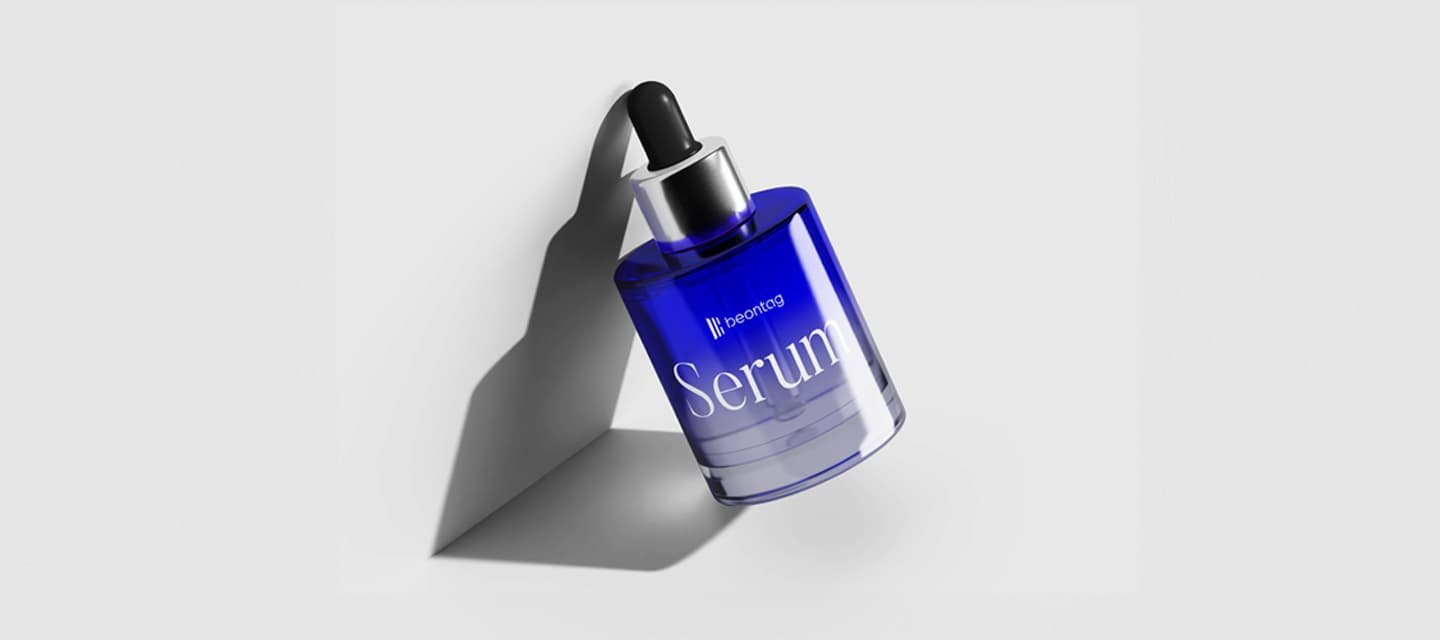
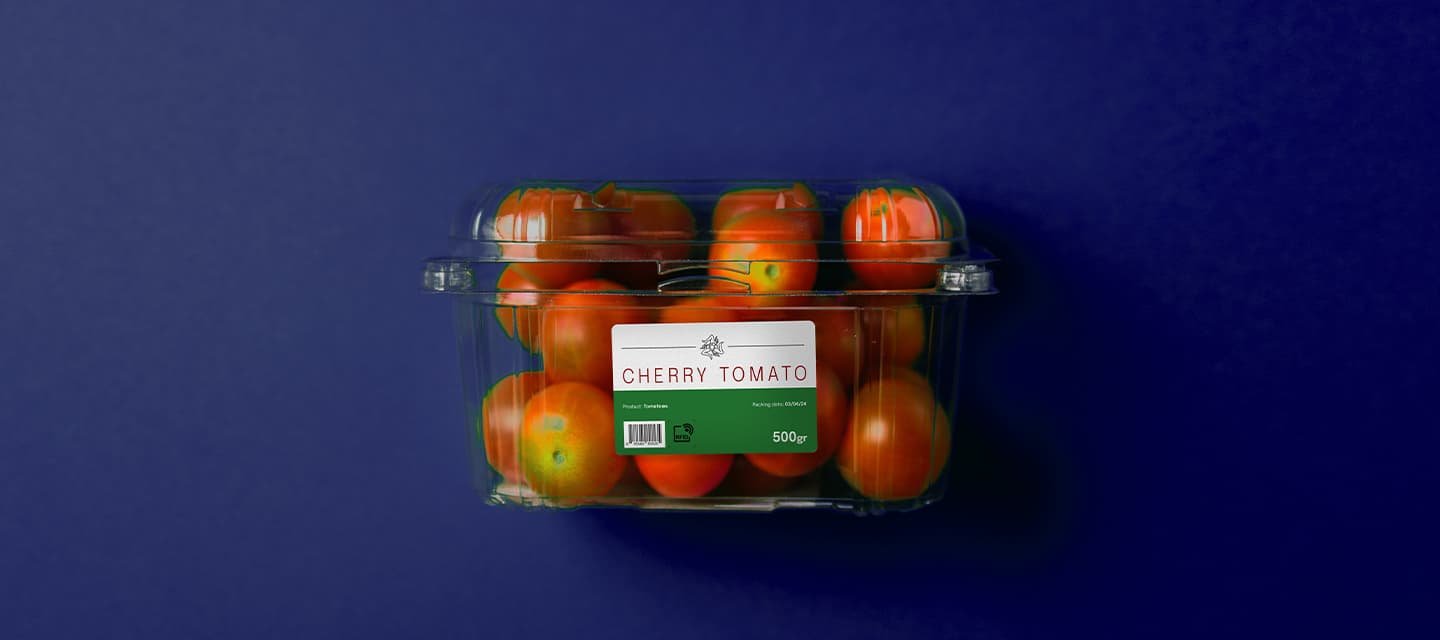
A clear label is a pressure-sensitive label built with a transparent film facestock and a pressure-sensitive adhesive (rather than opaque paper), becoming virtually invisible when applied to a transparent or light-coloured substrate. The goal is to deliver branding and information while letting the packaging or contents take center stage.
Clear labels are used across food, beverage, personal care, pharmaceuticals and other sectors where visual clarity, premium finish or minimal interference is required. Clear labels combine several parts:
Each must be chosen to maintain clarity, adhesion, and performance. In short: these are not just “regular labels made clear” but purpose-built constructions.
Because the facestock is transparent, the underlying surface comes as part of the label’s appearance. That means the container, contents, and application environment matter significantly. Clear labels require attention to detail to deliver the desired “invisible” effect.
In summary, clear labels represent a strategic packaging choice: they allow a brand to deliver all required labeling functions while keeping the visual barrier between product and consumer extremely low. When done well, they elevate the product presentation and build trust via transparency.
Clear labels offer more than just visual transparency. They bring strategic advantages that elevate both brand perception and packaging performance. From aesthetic appeal to durability and versatility, clear labels enable products to stand out on the shelf while maintaining functionality and resilience in demanding environments.
When implemented properly, clear labels deliver a premium, seamless aesthetic. They enable a “no-label look”, so that the printed graphics appear to float on the surface. This aesthetic is particularly appealing in premium packaging (e.g., cosmetics, beverages) where the container design or product colour is a key differentiator.
Additionally, clear films are compatible with advanced print and finishing techniques (white ink, foil, spot varnish) enabling creative design whilst maintaining transparency. For brands working with a visual-first strategy, clear label facestocks help express minimalism, elegance and the idea that nothing hides behind the packaging.
Contrary to what some might expect, modern clear film facestocks and adhesives are engineered for robust performance: strong adhesion (even in moisture or chilled environments), resistance to abrasion, smudging and yellowing.
They are well suited for high-speed application, automatic dispensers, and harsh environments (such as refrigerated drinks, or exposed packaging). So, using the right materials, a clear label doesn’t mean sacrificing performance; rather, it means selecting films, adhesives, and liners that deliver both clarity and longevity.
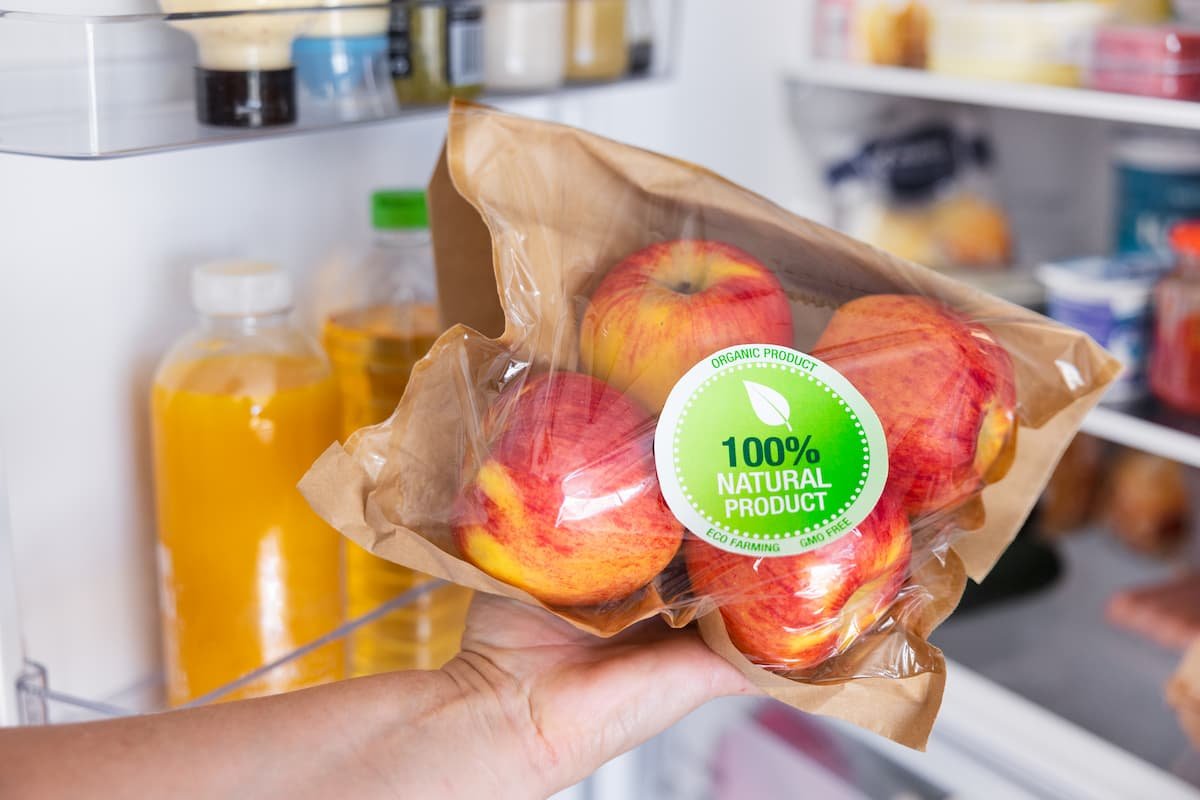
Clear labels can be applied on a wide variety of substrate materials like glass, PET, PP bottles, complex shapes, and curved surfaces. Films conform well and maintain visual clarity. They serve many sectors: food, beverage, cosmetics, personal care, health & wellness, home care, even industrial goods.
This versatility means a single label solution can often cover many SKUs, helping brand teams streamline materials across product lines. The benefits of clear labels are not just cosmetic, they deliver brand-impact, consumer clarity, technical performance and application flexibility.
Check out Beontag’s full Graphics and Labels full portfolio.
The construction of a clear label goes far beyond simply using transparent materials. It involves the right balance between the facestock, the adhesive that bonds it to the surface, and the liner that supports it during production. Together, these layers define how the label will look, perform, and endure over time.
The facestock is the visible film layer that carries the print and sits on top of the adhesive. In clear labels, typical options are clear PP/BOPP and clear PET. For example, a top-coated biaxially oriented polypropylene (BOPP) film offers excellent clarity and printability.
Clear PET films may be chosen when higher temperature resistance or dimensional stability is needed. The choice of facestock influences appearance (gloss vs matte), conformability, clarity, and cost.
The adhesive binds the label to the container or substrate. For clear labels, the adhesive must be clear and must not create haze or clouding when applied.
Different adhesive systems (water-white acrylics, solvent acrylics, UV-curable, hot-melt, etc) may be chosen depending on application conditions (temperature, surface energy, exposure to moisture). The right adhesive ensures strong bonding, durability, and visual clarity of the label.
The liner is the release layer that supports the label during converting and dispensing until application. For clear labels, liner choice matters because a liner that contributes to dullness or interference with clarity must be avoided.
For example, film liners such as PET may be used for high-speed automated applications and to preserve clarity. Glassine paper liners may be used for less demanding applications.
Selecting the proper liner helps ensure the finished label release performance, lay-flat conversion, and ultimate appearance.
Each of these layers must be specified correctly and chosen in combination to deliver the desired clear-label performance: high clarity, good adhesion, durability and on-brand appearance.
Here we dive into the two most common facestock choices for clear labels: clear PP/BOPP and clear PET. We explain each, provide benefits and when to use, and offer example applications.
Clear biaxially oriented polypropylene (BOPP) is a very popular facestock for transparent or “no label look” applications. Characteristics include excellent clarity, good stiffness (which aids automatic dispensing), compatibility with many print methods, and cost-effectiveness. For instance, Mactac describes a 2.0 mil clear BOPP top-coated film designed specifically for “no-label look” use.
Benefits:
When to use:
Clear polyester (PET) facestock is used when you need higher performance: greater dimensional stability, higher temperature resistance, and excellent clarity under more demanding conditions. For example, clear PET is often selected for high-reliability labelling, shrink-sleeve substitution or where the container or contents demand elevated performance.
Benefits:
Comparison table
| Facestock | Benefits | When to Use | Example Applications |
| Clear PP/BOPP | High clarity, cost-effective, good printing compatibility | Standard transparent bottles or jars, premium look required | Beverages, cosmetics, home care |
| Clear PET | Superior stability, high temperature resistance, premium clarity | Demanding environments, hot-fill, industrial applications | Pharma, industrial goods, specialty packaging |
By selecting the facestock that matches both your visual goals and application demands, you ensure the clear label delivers not just on look, but on performance too.
Selecting the right adhesive is equally critical for a successful clear label application. The adhesive must maintain clarity (no haze), adhere properly to the substrate, and perform under expected conditions. Below we describe five adhesive types, their benefits, when to use them and examples, and then provide a table for quick comparison.
| Adhesive Type | Benefits | When to Use | Example Applications |
| Water-white Acrylic | High clarity, moisture/ice-resistant | Chilled beverages, visible clarity required | Water, beer, refrigerated drinks |
| Solvent Acrylic | Strong adhesion, LSE substrates | Plastic or textured containers | Personal care plastics, PE/PP bottles |
| UV-Curable Acrylic | Fast curing, high finishing compatibility | High-volume, premium finishes | Premium skincare, spirits |
| Hot-Melt Rubber-Based | Cost-effective, broad adhesion | Standard containers, less clarity critical | General retail packaging |
| Hot-Melt Acrylic (HMA) | Broad temp range, good clarity | Cold chain, outdoor, film facestocks | Frozen foods, chilled multipacks |
Adhesive choice must align with substrate, environment (temperature, moisture), converting speed and aesthetic goals. Working with a partner like Beontag helps ensure the adhesive-facestock combination is optimised for clarity and performance.
The liner (or release liner) supports the label during converting and dispensing and has a direct impact on the clarity and production performance of the label. Two common liner choices for clear labels are PET liner and glassine paper liner.
Polyester (PET) film liners are increasingly preferred for high-clarity, high-speed applications.
Glassine paper liners are common in many label constructions and can be used in clear label applications when the visual impact is less critical or where manual application is used.
| Liner Type | Benefits | When to Use | Example Applications |
| PET | High clarity, supports high-speed converting | High-volume, premium clear-on-clear labels | Transparent bottles, premium film tags |
| Glassine | Cost-effective, traditional liner | Moderate clarity needed, lower speed | Small runs, less demanding labels |
Choosing the proper liner helps ensure the facestock and adhesive perform as intended, especially in high-clarity applications. Close coordination between converting, printing and application partners is key.
Selecting the optimal material set for a clear label requires balancing multiple factors: use case, performance, aesthetics/compliance, sustainability and cost. Below, we discuss key criteria with sub-sections.
First define the product’s use case: What type of packaging? What substrate? What environment (e.g., chilled, frozen, outdoor)? What volume and application method (manual vs automatic)?
For instance, if the container is glass and the bottle is chilled and iced, you need a facestock, adhesive, and liner built for condensation and low-temperature performance. If the container is a coloured opaque plastic, but you still want a transparent label look, the requirements differ. By mapping specific needs, you can target the right film, adhesive, and liner.
Check out Beontag’s use cases.
Once use case is clear, evaluate performance demand
When you pick a clear label material, ensure you test it in the actual end-use environment and on the actual substrate.
A key driver for clear labels is aesthetic. You need to decide: Do you want a high-gloss transparent film or a matte finish? Do you need special print effects (white ink, foil, spot varnish)? The film and finishing must support those. For example, clear PP supports white under-printing for contrast on transparent backgrounds.
Compliance means that you may need materials approved for contact, adhesives meeting FDA or other regulatory standards for food, beverage, pharmaceuticals markets. The “premium look” of clear labels helps position brands at higher value tiers; the right material supports that image.
Sustainability is increasingly influential. Some clear label materials (films + adhesives + liners) are designed for recyclability, for example, enabling PET bottle recycling by using detachable adhesives.
You should evaluate the lifecycle, recyclability, label waste, potential for thinner facestocks, and the material’s impact on the recyclable stream. Also factor cost: film facestocks usually cost more than paper; high-performance adhesives or liners may add cost. Therefore, balance costs with performance and brand value.
Partnering with a supplier like Beontag, which offers both standard and sustainable label materials, allows you to align your packaging strategy with brand and environmental goals.
Get to know more about Beontag’s Sustainable products.
By combining these four criteria, you can create a matrix to evaluate options and select the optimal clear label material set.
Whether you’re seeking a premium “no-label look” for a luxury beverage brand, a clear label solution for chilled food, or a sustainable film-label system for recycled packaging, reach out to Beontag. With our global footprint, deep expertise in materials, and strong production capabilities, we are well positioned to support you end-to-end.
As a provider of graphic materials and adhesive labels and with a strong focus on sustainability, Beontag offers technical support, broad material portfolio and supply reliability for your packaging program demands. Visit our catalog and contact us now to discover how the right material choice can elevate your packaging strategy.