

What Is an RFID Chip? Learn How It Works and How It Differs from RFID Tags and Labels

Subscribe to our newsletter!Stay up to date, subscribe to our newsletter!
SubscribePaper vs BOPP labels differ mainly in durability, cost, and applications: paper is versatile and eco-friendly, while BOPP is water, oil, and tear-resistant. Keep reading to discover which label best fits your product needs!


Choosing between paper vs BOPP labels is more than a design decision. It directly impacts product durability, sustainability, and customer perception. Labels are essential brand touchpoints, carrying critical information while reinforcing identity. Selecting the right material can elevate packaging quality and operational efficiency across multiple industries.
Many businesses face challenges when their label material doesn’t match their product’s real-world conditions. Paper labels may look premium but degrade in humid environments. Conversely, BOPP labels may excel technically but increase costs unnecessarily for products stored indoors. Misalignment often leads to waste, reprints, or damaged branding.
Fortunately, understanding the key differences between these materials allows businesses to make informed choices. Whether labeling premium cosmetics or everyday packaged goods, selecting the right material ensures the perfect balance of performance, aesthetics, and sustainability. Let’s explore each option in depth to help you decide with confidence.
BOPP stands for Biaxially Oriented Polypropylene, a type of plastic film that is stretched in two directions during manufacturing. This process increases strength, clarity, and print quality, making BOPP one of the most popular synthetic label materials today. It resists moisture, oil, and tearing, which makes it ideal for demanding environments.
Unlike paper labels, BOPP labels are film-based. This gives them a distinct advantage in industries that require water resistance, extended shelf life, or frequent handling. They are commonly used for beverages, cosmetics, personal care products, cleaning supplies, and outdoor applications where durability is crucial.
BOPP labels are widely used across industries that demand durability and strong visual appeal. In the beverage sector, they remain intact in chilled environments, maintaining brand visibility even when exposed to moisture or condensation. Cosmetic companies also rely on BOPP labels for products stored in bathrooms or frequently handled, where resistance to humidity and friction is essential.
In the home care industry, BOPP labels withstand contact with water, oil, and cleaning agents while preserving color and adhesion over time. These real-world applications demonstrate BOPP’s versatility and reliability across diverse packaging needs.
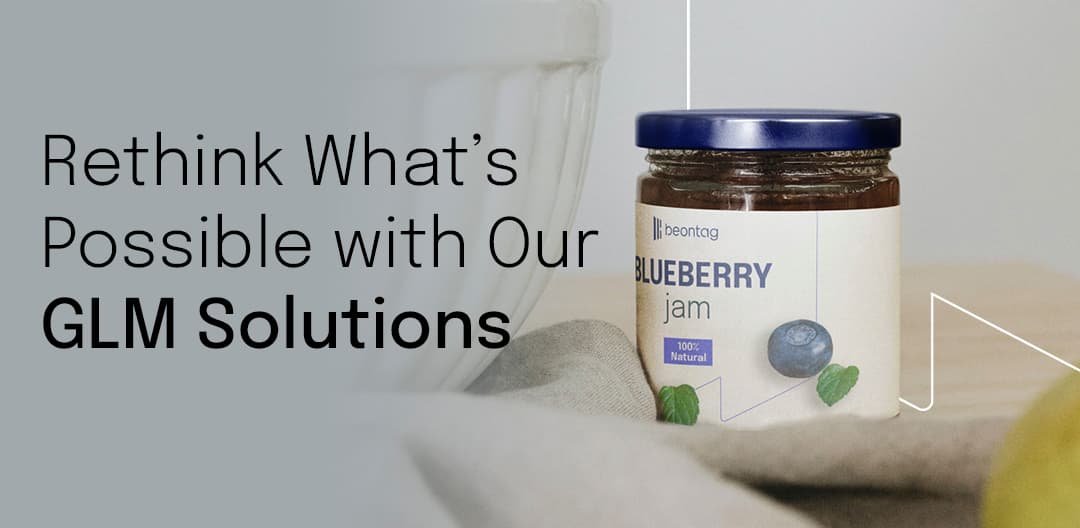
Paper labels are made from natural fibers, offering a classic, premium look that works well for a variety of applications. They’re often chosen for products that don’t face extreme conditions, like dry food packaging, wine bottles, pharmaceuticals, and luxury goods. Paper is highly print-friendly, enabling vivid colors and tactile finishes.
Paper labels have been a staple of the labeling industry for decades due to their affordability and versatility. They support various printing techniques, including digital, flexographic, and offset. Paper also offers excellent eco-friendly credentials, as many options are recyclable, compostable, or made from responsibly sourced materials.
Beontag provides high-quality paper label solutions designed to balance aesthetics and sustainability. Their offerings include coated and uncoated papers, specialty finishes, and eco-conscious options that allow brands to communicate both luxury and responsibility.
Paper labels shine in industries where elegance and sustainability are priorities. A Beontag partnership with a premium wine producer demonstrated how textured paper labels can enhance perceived value on shelves while maintaining print integrity. Similarly, pharmaceutical companies use paper labels for barcodes and instructions, thanks to their ease of printing and readability.
See all applications available for Beontag’s Graphics and Labels.
The core difference between paper and BOPP labels lies in their composition and performance. Paper is natural, affordable, and sustainable, while BOPP is synthetic, highly durable, and resistant to external factors. BOPP is often considered a type of film label, whereas paper is a traditional fibrous material.
In simple terms:
Another related question often arises about the difference between vinyl and BOPP labels. Well, BOPP is thinner and more cost-effective than vinyl, while still providing durability. Vinyl is thicker, heavier, and often more expensive, making BOPP a popular alternative for most labeling needs.
Understanding the differences between paper and BOPP labels is essential for making informed packaging decisions. While both materials serve the same purpose of branding and product identification, their performance, durability, and cost vary significantly. This section provides a detailed comparison to help you choose the right label material for your product’s needs.
| Feature | Paper Labels | BOPP Labels |
| Durability | Moderate, not water/oil resistant | High, tear, water, and oil resistant |
| Print Quality | Excellent, supports many finishes | Excellent, vibrant colors and clarity |
| Cost | Generally lower upfront | Higher initial cost, long-term savings possible |
| Sustainability | Widely recyclable and compostable | Recyclable in specialized systems |
| Applications | Dry goods, luxury, pharma, wine, eco | Moisture-heavy, cosmetics, beverages, outdoor |
| Look & Feel | Premium, tactile, natural | Sleek, modern, glossy or clear |
| Shelf Life | Short to medium | Long-lasting, resistant to wear |
See more about GLM products on our blog:
Self-adhesives for the Pharmaceutical
What’s the Difference Between Direct Thermal and Thermal Transfer?
BPA, BPS, and Phenol-Free Thermal Paper: What Is It and Why It Matters
Paper labels are ideal for products that prioritize aesthetics, sustainability, and cost-efficiency. However, they are not suitable for harsh or moisture-prone environments. This section explores the specific scenarios to help you align label choice with your product strategy.
BOPP labels are designed for durability, water resistance, and long-term performance. They are particularly useful for products exposed to moisture, frequent handling, or extended shelf-life requirements. In this section, we outline the most effective applications for BOPP labels, highlighting how their resilience and print quality can support your brand.
Check our Beontag’s case uses with Graphics and Label products.
Selecting the right label material doesn’t have to be complex. By partnering with Beontag, you gain access to decades of expertise in both paper and BOPP labeling solutions. Beontag’s global presence, sustainable technologies, and advanced printing capabilities ensure that your labels are not only functional but also aligned with your brand’s values.
Whether you need recyclable paper for artisanal products or durable BOPP for moisture-prone environments, Beontag offers tailored solutions for every industry. Visit our catalog and contact us now to discover how the right material choice can elevate your packaging strategy.