What Is an RFID Chip? Learn How It Works and How It Differs from RFID Tags and Labels

Subscribe to our newsletter!Stay up to date, subscribe to our newsletter!
SubscribePressure-Sensitive Adhesives boost supply chain operations by speeding labeling, enhancing reliability, and improving data accuracy from packaging to delivery. They reduce downtime and support automation, enabling efficient logistics. Discover how material choices affect PSA performance.


Supply chains depend on speed, accuracy, and resilience, and labels play a critical role in connecting products to information systems. When this connection fails due to adhesion issues, operations are directly impacted. Labels that detach, wrinkle, or fail to scan can slow down processes and compromise efficiency.
Pressure-sensitive technologies play a central role in preventing these disruptions across logistics environments. However, many supply chains still treat adhesives as a secondary decision. Packaging teams often focus on print or design, while operations prioritize automation, creating a gap when adhesive selection is not aligned with surfaces or environmental conditions.
This misalignment leads to downstream issues such as rework, relabeling, and manual corrections, increasing costs, and reducing overall reliability. Pressure-Sensitive Adhesives in supply chain design offer a more structural solution by addressing these challenges at the source.
When properly engineered, PSAs support high-speed applications, perform reliably in harsh environments, and ensure accurate data capture. With the right material planning, it is possible to reduce risks before issues arise. Continue reading to understand where PSAs operate and how to optimize them.
Pressure-sensitive adhesives are materials that bond to surfaces with light pressure, creating adhesion through viscoelastic properties that enable wet-out while maintaining cohesive strength. This balance is what allows PSAs to perform reliably across different applications.
They are composed of three primary components: adhesive, face material, and liner. The adhesive forms the bond, the facestock carries printed information, and the liner protects the adhesive until application. Together, this structure enables fast and efficient label application, especially in automated environments without the need for curing time.
In logistics contexts, PSAs must perform consistently across varying temperatures, surfaces, and operational speeds. They need to adhere instantly while maintaining durability over time, ensuring that labels remain secure throughout storage, transportation, and scanning processes. This performance depends on the balance between key properties such as tack, peel, and shear strength.
Pressure-Sensitive Adhesives in supply chain environments appear at nearly every touchpoint where products move. From manufacturing plants to distribution centers, PSAs support identification, tracking, and compliance labeling, playing a critical role in keeping operations connected.
Their importance increases as supply chains become more digital. Barcodes, RFID labels, and tracking systems all depend on secure adhesion to function properly. When labels fail, data systems lose visibility, which directly impacts inventory accuracy and customer delivery performance.
For this reason, PSAs used in logistics labels must withstand vibration, friction, humidity, and rapid handling. The choice of adhesive is critical in determining whether operations run smoothly or require costly interventions.
Packaging lines rely on high-speed labeling systems, and pressure-sensitive labels are widely adopted in automated environments because they eliminate drying time and enable rapid throughput. This efficiency is essential for maintaining productivity in large-scale operations.
Adhesive consistency plays a key role in ensuring accurate label placement, even at high speeds. When adhesion is inconsistent, labels may lift or shift before products reach secondary packaging, leading to scanning errors and rework.
High-performance PSAs help prevent these issues by maintaining reliable adhesion throughout the process, reducing downtime, and supporting overall equipment effectiveness (OEE).
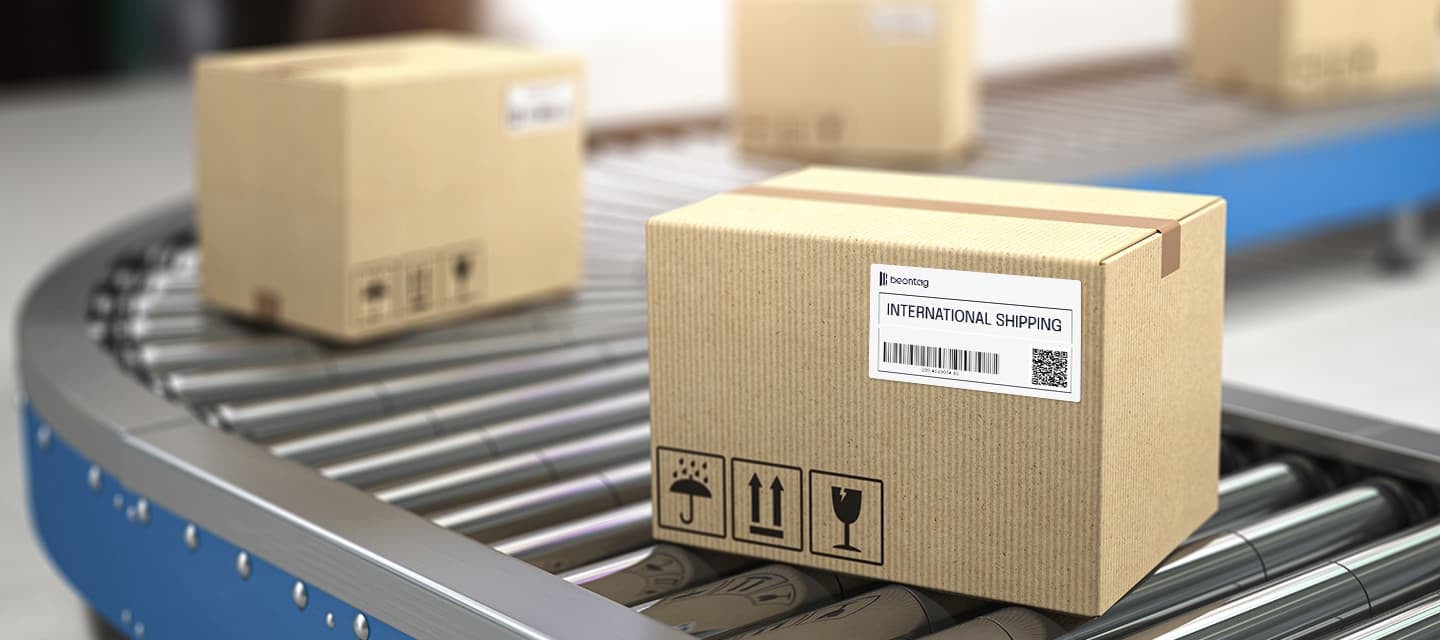
In warehouses, labels are exposed to challenging conditions such as cold storage, variable humidity, and heavy handling. In this context, PSAs for logistics labels must bond reliably to surfaces like corrugated boxes, shrink wrap, and plastic containers to maintain performance.
When bonding is inconsistent, labels may become unreadable, leading to barcode scanning failures and loss of inventory visibility. Since distribution centers rely heavily on accurate scanning, label performance directly affects operational efficiency.
When labels remain flat and securely adhered, automated sorting systems operate with fewer exceptions, improving flow and reducing manual intervention. As a result, adhesive reliability has a direct impact on throughput and overall labor efficiency.
Transportation exposes labels to demanding conditions such as vibration, abrasion, and temperature fluctuations. Labels applied in one environment must remain intact through multiple transitions along the supply chain.
When a shipping label detaches, traceability is compromised and delivery delays can occur. In this context, Pressure-Sensitive Adhesives play a critical role in maintaining label performance from dispatch to final delivery.
A combination of strong initial tack and long-term durability helps prevent failures during extended transit, ensuring that labels remain secure and readable throughout the journey.
Optimized PSAs improve operational stability by reducing the need for relabeling and protecting data accuracy. When adhesive performance is consistent, it supports automation processes instead of slowing them down, helping operations run more efficiently.
Reliable bonding also plays an important role in protecting brand integrity. Damaged or peeling labels can undermine professionalism and reduce compliance visibility, especially in regulated environments.
By maintaining stable adhesion, labels remain readable throughout the entire product journey, ensuring that information flows correctly across systems. Although the value of PSAs often goes unnoticed, failures quickly reveal their importance—making prevention a key driver of productivity and cost control.
Downtime frequently results from label failures, as misapplied or detached labels can force line stops and require manual correction. These interruptions disrupt workflows and reduce overall efficiency on the production floor.
PSAs designed for specific processes help prevent these issues by ensuring consistent application and reliable adhesion. When adhesive selection is optimized for expected stresses, rework rates decrease and operations become more stable.
This reduction in errors minimizes the need for labor intervention and helps maintain consistent production schedules. Even small decreases in downtime can generate significant productivity gains at scale.
By supporting first-pass success, PSAs contribute to smoother operations, allowing teams to focus less on fixing errors and more on maintaining flow.
Automation depends on predictability, and PSAs play a key role by enabling rapid label application without curing time. This allows for higher line speeds and consistent placement, reducing the need to slow down operations due to adhesion concerns.
When adhesives perform reliably, high-speed packaging and sortation systems can operate more efficiently. PSAs with controlled tack and shear properties help prevent label movement after application, ensuring stability throughout subsequent handling stages.
Stable labels support accurate downstream scanning and uninterrupted processing, which is essential for maintaining flow in automated environments. As a result, throughput improvements become cumulative over time, with each successful application contributing to overall efficiency.
When labels are applied correctly in every cycle, automated lines are more likely to reach their designed capacity. For this reason, PSAs for logistics labels are integral to overall automation performance.
Data capture depends on label integrity, as barcodes and RFID inlays must remain readable and correctly positioned throughout the supply chain. PSAs play a direct role in this process by keeping labels flat and securely attached to the intended surface.
Adhesive failures are a common cause of scan errors, which can disrupt tracking and compromise data accuracy. By selecting the appropriate adhesive, it is possible to reduce these risks and ensure that data carriers remain functional throughout the asset or shipment lifecycle.
In this way, Pressure-Sensitive Adhesives in supply chain operations support analytics and decision-making. Accurate data enables better forecasting, more efficient inventory management, and improved customer service.
Not all PSAs perform the same, as technology choice directly affects adhesion behavior, durability, and environmental resistance. Understanding these differences helps teams better align materials with specific operational requirements.
The most common PSA chemistries include hot-melt, acrylic, and specialty formulations, each offering distinct advantages and trade-offs. For this reason, selection should be based on actual use conditions rather than habit or cost alone.
Emerging technologies, such as UV-curable PSAs, are expanding the available options by addressing specific performance gaps and supporting sustainability goals.
The sections below outline key considerations for each alternative.
| PSA Type | Key Characteristics | Main Advantages | Limitations | Typical Supply Chain Uses |
| Hot-melt PSAs | High initial tack and fast bonding | Immediate adhesion, strong grip on contact, supports high-speed application | Limited resistance to high or very low temperatures, reduced long-term aging performance | High-speed packaging lines where instant adhesion is critical |
| Acrylic PSAs | Balanced adhesion, cohesion, and tack | Good temperature resistance, stable aging, consistent performance over time | Lower initial tack compared to hot-melt systems | Warehousing, distribution centers, and general logistics labeling |
| Specialty PSAs | Engineered for specific conditions | Performs on low-energy or difficult surfaces, works in extreme temperatures | Higher cost, more specific application scope | Cold-chain logistics, rough surfaces, challenging environmental conditions |
Read More: Hot Melt vs Water-Based Adhesives for Labels: How to Choose
UV-curable PSAs cure through exposure to ultraviolet light, enabling fast processing and reduced energy consumption compared to conventional systems. This technology also supports controlled coating weights and more consistent performance across applications.
In supply chain labeling, UV-curable systems can enhance both durability and sustainability by minimizing solvent use and supporting lean manufacturing practices.
Selecting PSAs for logistics labels requires careful evaluation of environmental, surface, and process variables, ensuring that adhesive performance aligns with real-world conditions rather than theoretical specifications.
A structured selection process helps improve long-term performance and supports sustainability goals, while poor alignment can lead to hidden operational costs over time.
For this reason, Pressure-Sensitive Adhesives should be considered early in supply chain and packaging design discussions, allowing teams to prevent issues before they impact operations.
Read More: How to Choose the Right PSA for Your Label
Environmental conditions directly affect adhesive performance over time, as factors such as temperature swings, humidity, UV exposure, and storage duration influence bond strength and durability. For this reason, adhesive selection must reflect the actual conditions products will face throughout the supply chain.
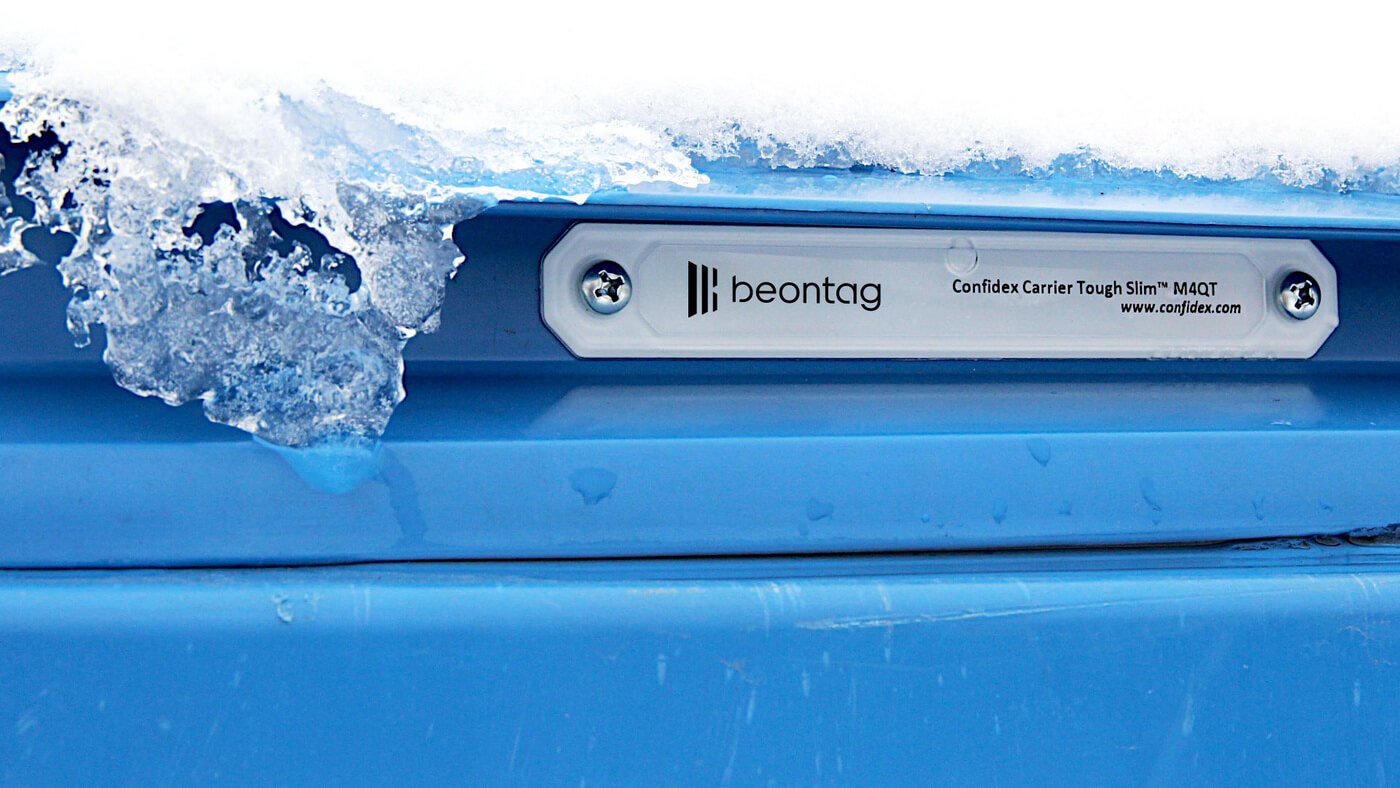
Freezer logistics, for example, require adhesives with reliable low-temperature tack, while outdoor or high-heat environments demand UV stability and resistance to aging. In mobility infrastructure projects such as the Dutch Railways case, materials must withstand continuous outdoor exposure, handling stress, and environmental variation without losing performance.
Without proper environmental assessment, labels may experience premature lifting, curling, or adhesive degradation during storage and transit. Evaluating real-world exposure conditions before selecting a PSA helps reduce these risks, since laboratory specifications alone are often not sufficient.
Field simulation and environmental testing play a key role in ensuring consistent adhesion across the full product lifecycle.
Surface characteristics play a critical role in how well an adhesive can “wet out” and create a stable bond. High-energy surfaces, such as metal, behave differently from low-energy plastics like polyethylene or polypropylene, requiring different adhesive approaches. Corrugated cardboard, for example, introduces porosity and texture, which demand adapted adhesive formulations.
Adhesive performance depends on the proper interaction between chemistry and substrate. Adjusting coat weight, selecting the appropriate adhesive technology, and aligning facestock properties help ensure that labels remain intact despite friction, compression, and transportation stress in logistics environments.
Testing on actual substrates under real operational conditions is essential, as adhesive compatibility cannot rely solely on generic material assumptions. Real-world application testing validates performance before large-scale deployment.
Application process variables influence adhesive performance as much as material choice. High-speed automated lines, for example, require consistent release properties, stable liner behavior, and controlled adhesive flow to prevent dispensing errors and ensure smooth operation.
When performance is inconsistent, downtime and material waste increase, directly impacting efficiency. In addition, factors such as pressure, contact time, and application angle play a critical role in bond formation, especially in automated environments that demand repeatable adhesive response under tight cycle times.
While manual labeling may allow for more variation, it still requires predictable tack and precise positioning to maintain quality. Aligning PSA performance with equipment capabilities helps improve throughput and reduce rework across both automated and manual processes.
Process simulation during development is also essential, as it helps identify potential risks before full-scale production rollout.
Regulatory requirements and sustainability targets increasingly influence adhesive selection. Many industries now require materials that support recyclability, reduced liner waste, and compliance with environmental standards, making it essential for adhesive chemistry to align with these broader objectives.
Advanced material planning enables companies to reduce environmental impact without compromising performance. By optimizing material balance, it is possible to improve durability while supporting responsible material use and long-term efficiency.
Selecting adhesives with lifecycle awareness strengthens both compliance and operational resilience. At the same time, sustainable choices must remain technically sound, ensuring that performance and responsibility work together rather than compete.
Adhesive selection should not occur in isolation. Collaboration between converters, material suppliers, and logistics operators leads to better outcomes by aligning technical decisions with real operational needs.
Early-stage testing helps reduce costly field failures, while simulation of real transport and storage conditions allows teams to identify risks before large-scale deployment.
Integrated planning ensures that label construction is aligned with broader supply chain objectives, improving consistency and performance across operations.
Staying up to date with labeling innovations and material developments is also essential for maintaining long-term efficiency.
Explore current labeling trends shaping supply chain performance: Labeling Trends 2026: What’s Next for PSA Label Materials
Supply chains require dependable labeling foundations, and Beontag develops advanced labeling materials and RFID solutions designed to perform across diverse logistics environments. Its portfolio supports high-speed applications, varied substrates, and demanding storage conditions, helping operations maintain consistency and efficiency.
By combining adhesive expertise with material engineering, Beontag helps align label construction with real operational requirements. This approach reduces risk and improves system reliability from packaging through to last-mile delivery.
To explore how optimized Pressure-Sensitive Adhesives in supply chain operations can enhance your logistics performance, connect with Beontag and discover tailored material solutions designed for efficiency and resilience.