What Is an RFID Chip? Learn How It Works and How It Differs from RFID Tags and Labels

Subscribe to our newsletter!Stay up to date, subscribe to our newsletter!
SubscribeAI in retail refers to the use of artificial intelligence technologies to enhance customer experience, optimize operations, and drive data-based decisions across retail environments. Discover how it works and why it matters.


Retail is undergoing a structural transformation driven by data, automation, and connected technologies. AI is at the center of this shift, enabling companies to move faster, predict demand more accurately, and personalize interactions at scale.
Despite growing adoption, many retailers still face challenges in scaling AI initiatives. Fragmented data, legacy systems, and unclear ROI often limit progress. Without a clear strategy, AI projects remain isolated pilots instead of delivering measurable business impact across operations and customer touchpoints.
It offers a path to unify data, automate decisions, and create more responsive operations. When combined with technologies like RFID and smart labels, AI becomes even more powerful, especially when supported by solutions explained in How RFID in retail works: From backroom blind spots to real-time shelf visibility.
Continue reading to understand how AI is reshaping retail and how to prepare for what comes next.

AI in retail is the application of machine learning, data analytics, and automation technologies to improve decision-making, customer engagement, and operational efficiency across retail environments. It transforms large volumes of data into actionable insights that support faster and more accurate business processes.
Retailers use AI to analyze customer behavior, predict demand, optimize pricing, and automate workflows. These capabilities allow companies to respond dynamically to market changes and customer expectations. AI is no longer limited to digital channels; it is increasingly embedded in physical store operations.
It integrates with other technologies such as IoT, RFID, and cloud platforms. This convergence enables real-time visibility and coordination across supply chains stores, and customer interactions, creating a more connected and intelligent retail ecosystem, supported by innovations described in What Is RAIN RFID? How It Works, Key Benefits, and Use Cases.
AI is reshaping the industry by driving measurable improvements across multiple dimensions. These impacts go beyond efficiency gains, influencing how retailers engage with customers, manage operations, and create value in a highly competitive market.
Customer experience is enhanced through hyper-personalization and real-time engagement. Retailers can analyze browsing behavior, purchase history, and preferences to deliver tailored recommendations, creating more relevant and engaging shopping journeys across channels.
Additionally, AI-powered tools improve responsiveness and convenience. Features such as chatbots, virtual assistants, and intelligent search capabilities allow customers to find products faster and receive support instantly, increasing satisfaction and reducing friction across digital and physical touchpoints.
As personalization becomes a standard expectation, brands build stronger relationships with customers. By delivering consistent and relevant interactions, retailers can increase loyalty, improve retention, and create meaningful experiences that differentiate them in a crowded marketplace.
AI in retail significantly improves operational efficiency by automating repetitive tasks and optimizing workflows. From inventory tracking to workforce management, artificial intelligence enables retailers to operate with greater precision and reduced manual intervention.
By leveraging predictive analytics, retailers can anticipate demand fluctuations and adjust operations accordingly. This reduces waste, minimizes stockouts, and ensures that resources are allocated efficiently across stores and distribution centers, improving overall performance.
Decision-making is also enhanced through real-time insights into operations. Managers can monitor performance, identify inefficiencies, and implement improvements quickly, creating a more agile and responsive organization capable of adapting to changing market conditions.
Revenue growth is driven by smarter pricing, targeted promotions, and improved product recommendations. Retailers can use data to identify opportunities for upselling and cross-selling, increasing the average transaction value.
Dynamic pricing strategies allow businesses to adjust prices in real time based on demand, competition, and customer behavior. This ensures that pricing remains competitive while maximizing profitability across different market conditions.
AI also helps optimize marketing efforts by targeting the right customers with the right messages. By improving campaign effectiveness and reducing wasted spend, retailers can achieve higher returns on investment and drive sustainable growth.
Supply chain resilience is strengthened by improving visibility and enabling proactive decision-making. Retailers can monitor inventory levels, track shipments, and anticipate disruptions with greater accuracy.
With predictive capabilities, businesses can respond quickly to demand shifts and external challenges. This reduces delays, prevents stock imbalances, and ensures products are available when and where customers need them.
AI also supports better collaboration across the supply chain. By integrating data from multiple sources, retailers can create a more transparent and coordinated ecosystem that enhances efficiency and reduces operational risks.
AI in retail is applied across a wide range of use cases that impact both customer-facing and operational processes. These applications show how artificial intelligence delivers tangible value, especially when combined with real-time data technologies such as RFID.
Many successful implementations rely on accurate, scalable data. Real-world projects, including those supported by Beontag, demonstrate how combining AI with item-level visibility improves efficiency, accuracy, and customer experience.
As retailers move from experimentation to execution, these use cases highlight where the most impact is being generated today. Below are key applications with practical examples already deployed in real environments.
AI in Retail enables retailers to deliver highly personalized product recommendations based on customer behavior, preferences, and purchase history. This improves relevance and icreases conversion rates across digital and physical channels, creating more engaging and efficient shopping journeys.
When connected with product-level data, personalization becomes even more powerful. For example, in luxury retail, RFID-enabled products allow brands to connect digital experiences to physical items, enhancing storytelling, and customer engagement, as explored in The importance of RFID Technology.
Combined with connected products, a deeper understanding of customer interaction with items is enabled. This creates opportunities for more precise personalization strategies that extend beyond online behavior into real-world shopping experiences.
Customer service is enhanced through chatbots and virtual assistants that provide real-time support across channels. These tools reduce response times, improve accessibility, and help retailers scale service operations without compromising quality.
In physical environments, AI-powered assistance can be strengthened by accurate inventory visibility. Retailers using RFID, as detailed in How RFID Tags Work for Inventory Tracking (and Why They’re a Game Changer), empower store associates to quickly locate products and assist customers more effectively.
Digital and physical service are bridged by enabling more informed and responsive interactions. This combination ensures that customers receive consistent support regardless of the channel, improving satisfaction and loyalty.
AI significantly improves demand forecasting by analyzing historical data, trends, and external variables. This enables retailers to predict demand more accurately and align inventory strategies with real market needs.
Accurate forecasting depends on reliable data inputs. RFID implementations supported by Beontag improve inventory accuracy, especially when aligned with best practices from How RFID Asset Tracking Works – and the Benefits You Should Know.
AI in retail combined with RFID allows continuous inventory updates, enabling dynamic adjustments to forecasts. This reduces stockouts and overstock situations while improving overall operational efficiency and customer satisfaction.
Dynamic pricing strategies respond to demand fluctuations, competitor activity, and customer behavior in real time. This allows retailers to maximize margins while remaining competitive in rapidly changing markets.
Promotions also become more effective when powered by AI insights. Retailers can identify which offers perform best and target them more precisely, increasing conversion rates and reducing unnecessary discounting.
That use becomes even more effective when supported by accurate stock data. With RFID-enabled visibility, retailers ensure that promoted products are actually available, avoiding lost sales and improving campaign performance.
The use of AI enhances merchandising decisions by analyzing product performance, regional demand, and customer preferences. Retailers can optimize assortments to better match local demand and improve sales outcomes.
In complex retail environments, such as large assortments managed by companies, RFID integration enables precise tracking of thousands of SKUs, supporting more accurate merchandising decisions at scale.
This level of visibility enables continuous optimization of assortments. Retailers can adjust product mix dynamically, ensuring better alignment with customer demand and reducing inefficiencies.
AI in retail improves store operations by optimizing staffing, automating repetitive tasks, and providing real-time insights into store performance. This allows retailers to allocate resources more efficiently and improve productivity.
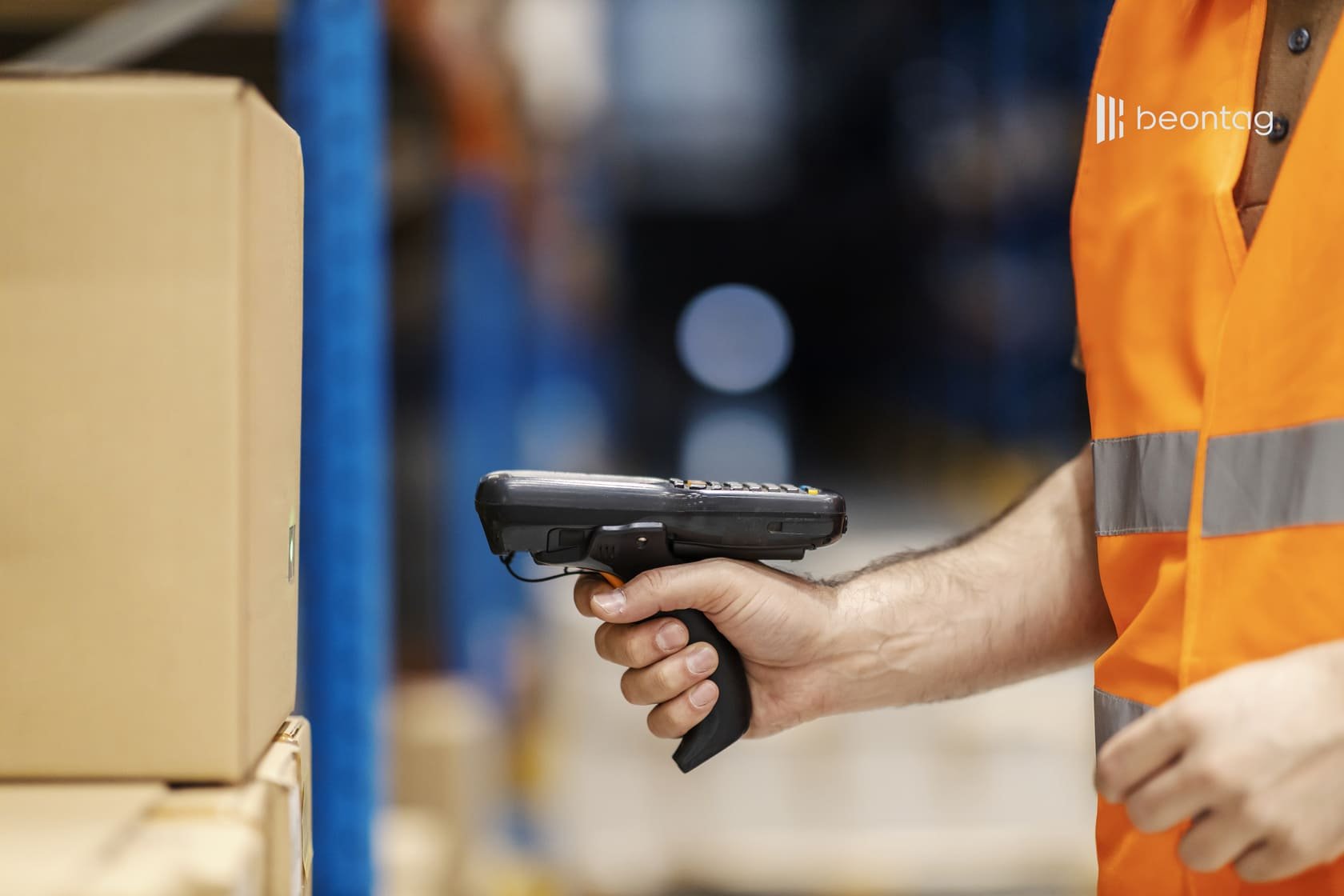
RFID-supported environments demonstrate how automation can transform operations. In fully integrated retail ecosystems, inventory counts that once took days can be completed in hours or minutes.
Operational data is leveraged to continuously improve workflows. Managers gain visibility into inefficiencies and can implement changes quickly, creating more agile and responsive store environments.
The AI strengthens fraud detection by identifying anomalies in transactions and customer behavior. This enables retailers to detect suspicious activity and prevent losses more effectively.
When combined with item-level tracking, loss prevention becomes even more robust. RFID-enabled environments allow retailers to monitor product movement and identify discrepancies early, as seen in multiple Beontag-supported retail implementations.
These capabilities are enhanced by adding predictive insights and real-time alerts. This creates a proactive approach to loss prevention, reducing shrinkage while maintaining a seamless customer experience.
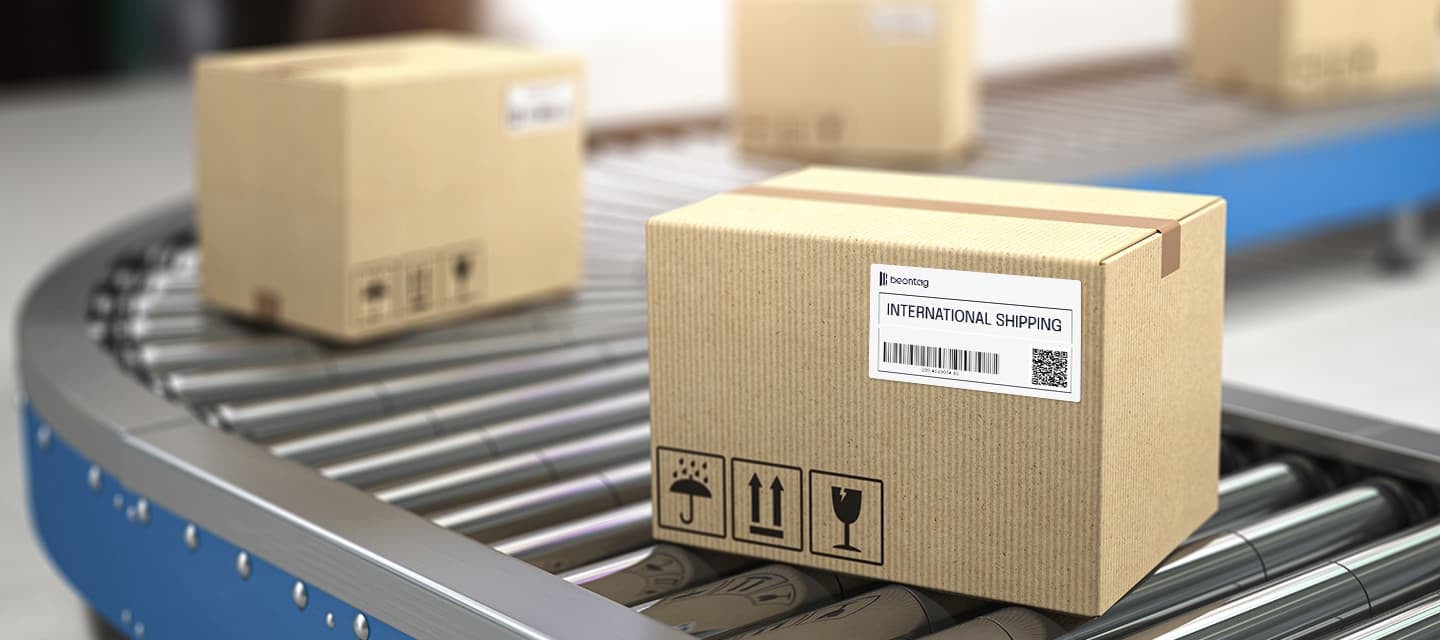
AI improves supply chain visibility by integrating data from multiple sources and providing real-time insights into product movement. This enables better coordination and faster decision-making across the supply chain.
RFID plays a critical role in this process. In grocery and omnichannel retail cases, item-level tracking enables accurate monitoring of inventory across distribution and store environments.
AI uses this data to optimize logistics, reduce delays, and improve fulfillment accuracy. This results in more resilient and efficient supply chains capable of adapting to changing demand.
Smart store environments are enabled through technologies such as computer vision, sensors, and automation. These systems provide real-time insights into customer behavior and store performance.
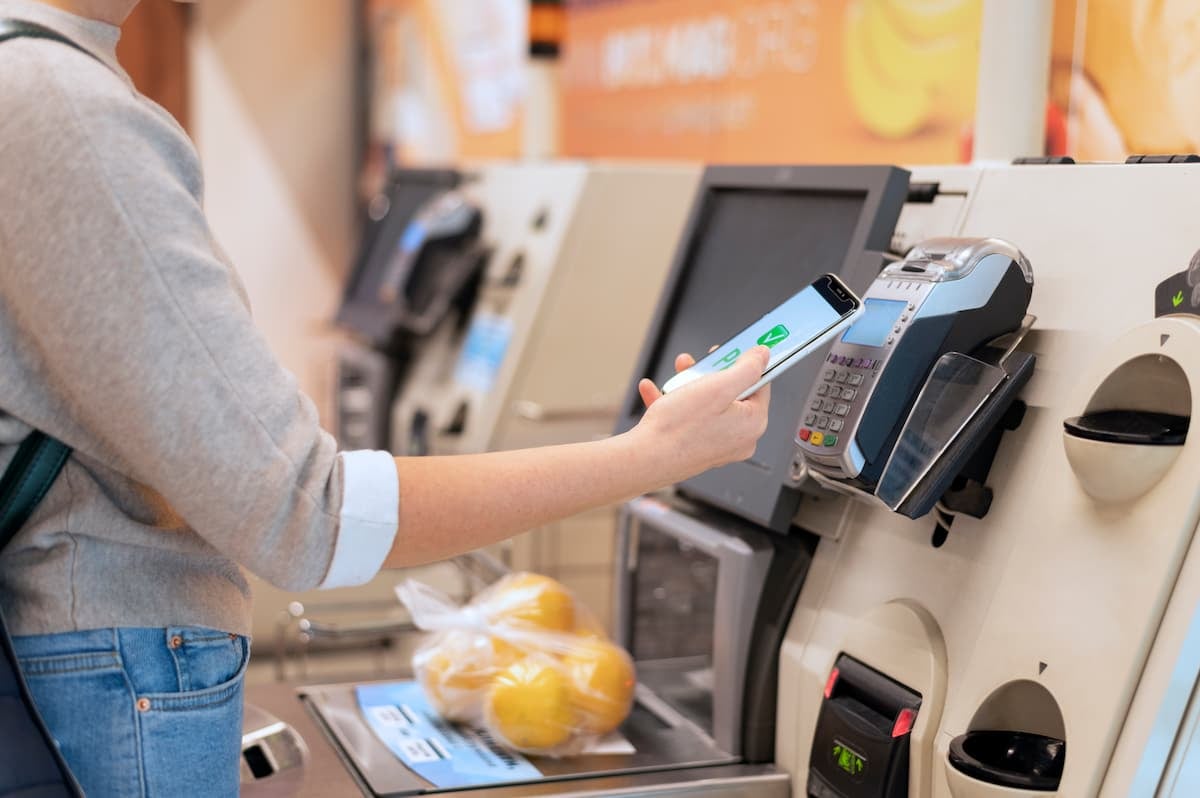
In advanced implementations, such as automated grocery stores supported by RFID infrastructure, retailers can enable cashierless experiences and seamless checkout processes.
AI transforms stores into intelligent environments where data drives every interaction. This improves efficiency, reduces friction, and creates a more engaging shopping experience for customers.
Retail is increasingly connected to smart products that generate valuable data throughout their lifecycle. These connected products enable new forms of engagement and interaction with customers.
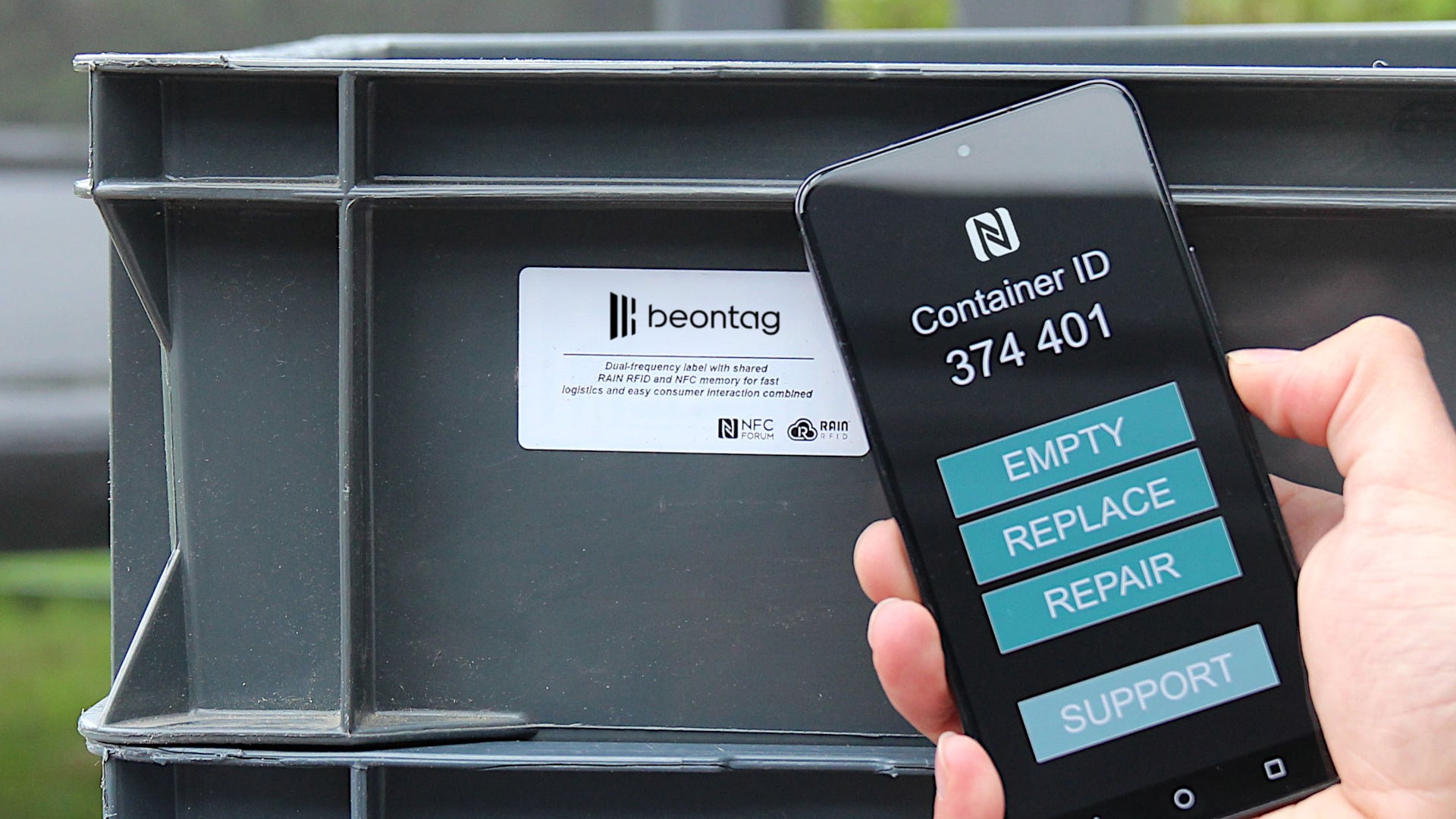
In luxury and premium segments, solutions like NFC-enabled products allow brands to connect physical items with digital content and personalized journeys.
This data is used to create more meaningful relationships with customers. By linking products, data, and experiences, retailers can extend engagement beyond the point of sale and build long-term brand value.
AI in retail is transforming physical stores into intelligent, data driven environments. Retailers can analyze in-store behavior, optimize layouts, and improve product placement based on real-time insights. This shift enhances operational efficiency while creating more engaging and responsive shopping experiences aligned with evolving consumer expectations.
Technologies such as computer vision, sensors, and RFID enable continuous data collection within stores. This information is processed to identify patterns, track movement, and monitor inventory accuracy. These capabilities allow retailers to reduce friction, improve availability, and ensure a more seamless and efficient in-store journey.
AI is also bridging the gap between online and offline channels. By integrating data across touchpoints, retailers can deliver consistent personalization and service. This unified approch ensures that customers experience the same level of relevance and convenience, regardless of where or how they interact with the brand.
Retail continues to evolve rapidly, with new technologies reshaping how companies operate, compete, and scale. As adoption matures, the focus is shifting from isolated use cases to integrated, high-impact applications across the entire value chain.
Key trends driving this transformation include:
AI in retail depends on accurate, real-time data to deliver meaningful insights and automation. RFID and smart labels play a critical role by enabling item-level visibility across the supply chain and in-store environments, ensuring that AI systems operate with reliable and continuously updated information.
With RFID, retailers can track products from distribution centers to store shelves with high accuracy. This level of visibility improves inventory management, reduces stock discrepancies, and enhances forecasting models. As a result, AI-driven decisions become more precise, supporting better operational and customer outcomes.
Smart labels also connect physical products to digital systems, enabling richer systems, enabling richer data collection and interaction. When integrated with AI, this creates a more intelligent ecosystem where data flows seamlessly, supporting automation, personalization, and real-time decision-making across the retail journey.
To fully leverage retail AI capabilities, retailers need a strong data foundation. Beontag supports this transformation by providing advanced RFID tags that enable accurate product tracking and real-time visibility across the retail ecosystem, helping businesses scale their initiatives more effectively.
By integrating RFID solutions into your operations, you can enhance inventory accuracy, improve supply chain visibility, and empower AI-driven use cases. Better data leads to better insights, enabling smarter decisions and more efficient processes across both digital and physical retail environments.
Connect with Beontag to explore our RFID tag portfolio and discover how our solutions solutions can support your AI in retail strategy. Get in touch with our team to learn more and start building a more connected, intelligent, and scalable retail operation.