


How to Choose the Right Release Liner for Pressure-Sensitive Adhesive Labels

Stay up to date, subscribe to our newsletter!
SubscribeRFID labels for food and beverage are smart labeling solutions that use radio frequency technology to improve traceability, inventory accuracy, and food safety across the supply chain. Learn how they work and why they matter for food and beverage operations below.


The food and beverage industry faces increasing pressure to improve traceability, safety, and operational efficiency. RFID technology has become a practical tool to support these goals. RFID Labels for Food and Beverage allow companies to identify, track, and manage products automatically across the supply chain with greater accuracy.
As regulations become stricter and supply chains grow more complex, traditional identification methods often fall short. Limited visibility, manual processes, and delayed data collection make it harder to respond quickly to recalls, temperature deviations, or inventory issues. These challenges directly impact food safety, compliance, and consumer trust.
RFID labels address these gaps by enabling continuous data capture without line-of-sight scanning. They support real-time monitoring, faster decision-making, and better control from production to point of sale. Understanding how RFID works and where it delivers value is the first step toward adopting the technology effectively.

RFID labels are smart identification labels that use frequency to transmit data wirelessly. Each label contains an embedded RFID inlay that stores a unique identifier.
When interrogated by a reader, the label sends information automatically, without requiring physical contact or direct visibility.
Unlike traditional labels, RFID labels can be read in bulk and at distance. This capability makes them suitable for fast-moving environments such as food processing plants, warehouses, and distribution centers.
These labels are typically applied to packaging, cases, pallets, or assets. Depending on the application, they can be designed to withstand moisture, cold temperatures, and handling stress. Their flexibility allows adoption across fresh, frozen, and packaged food categories.
RFID labels operate through wireless communication between a tag and a reader. When a label enters the reader’s radio frequency field, it is activated and transmits stored data instantly.
The basic process includes:
This process happens in milliseconds and supports continuous visibility. RFID Labels for Food and Beverage enable tracking without slowing down operations or requiring manual interaction.
An RFID system is composed of interconnected elements that work together to collect and manage data throughout the supply chain.
Core components include:
The interaction between these components determines read accuracy, range, and reliability in food and beverage environments.
They capture a unique identifier that links each physical item to a digital record within backend systems. This identifier enables traceability by connecting products to information such as batch or lot number, production and expiration dates, and origin of details across the supply chain.
As products move through different stages, RFID systems automatically record events such as location changes, process checkpoints, and handling milestones. This continuous data capture creates a reliable history without requiring manual scans or human intervention.
By automating data collection, RFID Labels for Food and Beverage reduce errors, improve inventory accuracy, and enable faster responses to quality or safety issues.
RFID Labels for Food and Beverage are used to solve operational challenges that require speed accuracy, and real-time visibility. In this context, key usecases focus on improving traceability, ensuring cold chain integrity, increasing inventory accuracy, and enabling reliable asset tracking across complex supply chains.
Rather than isolated applications, these use cases often work together. A single RFID implementation can support regulatory compliance, reduce waste, and improve decision-making throughout production, storage, and distribution.
The sections below break down how each use case delivers value in food and beverage operations.
Traceability is a core requirement in food and beverage supply chains, especially when fast response is needed during recalls. RFID labels allow products to be identified at item, case, or pallet level, enabling precise tracking from production through distribution and retail.
A clear example is the Fully integrated RFID environment is a reality at Oxford and a model for the market case. This Beontag project shows how RFID was implemented to track logistics units throughout operations, improving data accuracy, and enabling faster identification of affected items during potential recall scenarios.
By narrowing the scope of recalls, RFID reduces unnecessary product removal, minimizes waste, and supports compliance with food safety regulations that demand detailed traceability records.
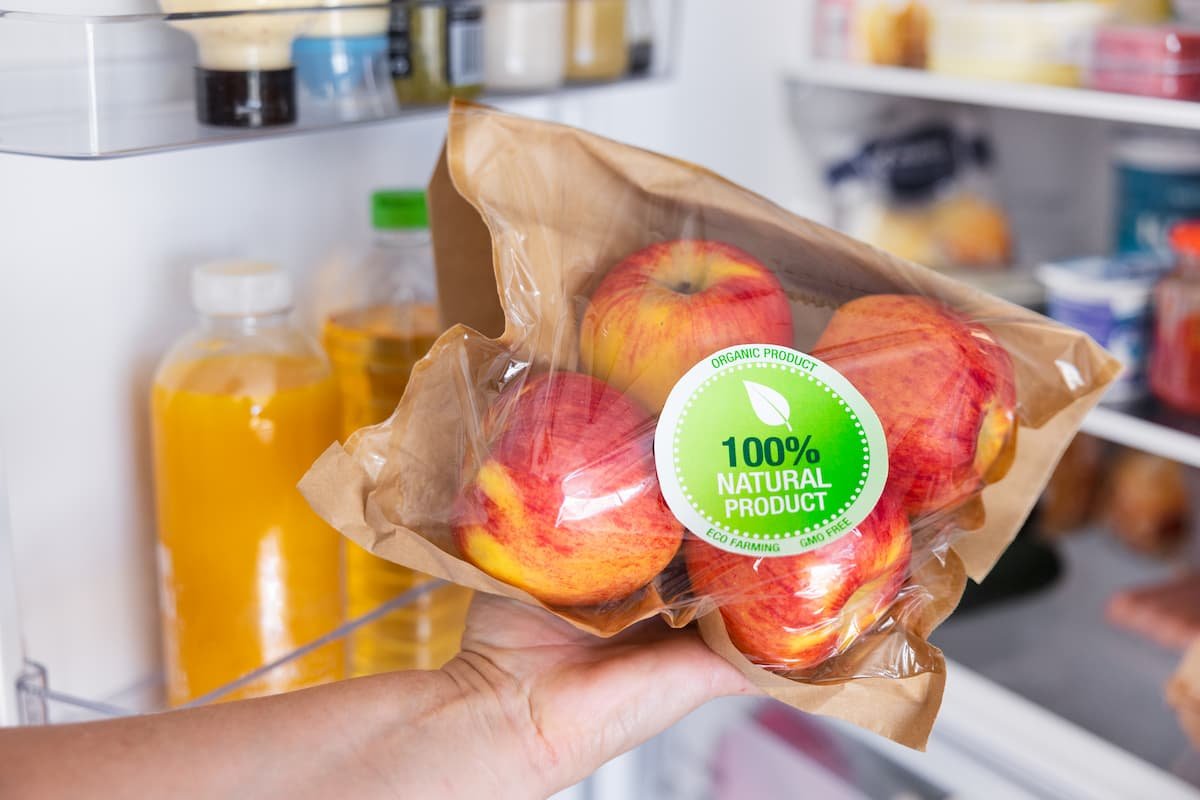
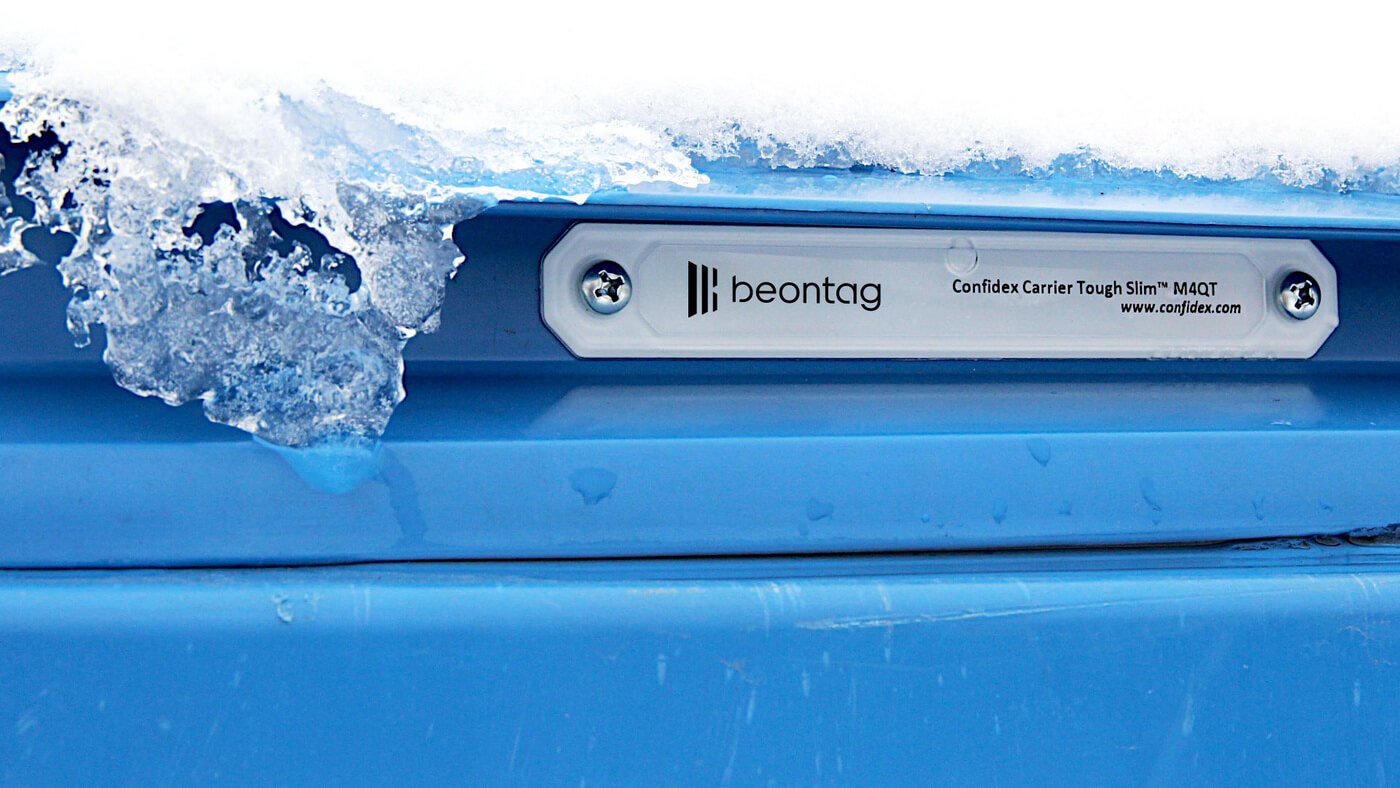
Cold chain visibility is important for food and beverage products that are sensitive to temperature and handling conditions. RFID labels designed for cold environments help maintain continuous identification even when exposed to moisture, low temperatures, and condensation.
When properly specified, RFID Labels for Food and Beverage continue to perform throughout refrigerated transport and storage. This allows companies to maintain visibility across the entire cold chain, reducing the risk of product loss and quality issues caused by handling gaps or environmental exposure.
Consistent identification across cold environments supports better decision-making, faster exception handling, and improved confidence in product integrity from origin to destination.
Inventory accuracy is a major challenge in high-volume food and beverage operations. RFID enables fast, automated counting without line-of-sight scanning, significantly reducing manual effort and human error.
In the RFID Powers Fully Automated Grocery Store with No Onsite Staff case, Beontag demonstrates how RFID technology supports real-time inventory visibility in a retail environment. Optimized tag design and system configuration enable reliable reads and accurate stock data without manual intervention.
Accurate inventory data helps prevent stockouts, reduce overstock, and support better replenishment planning across warehouse and points of sale.
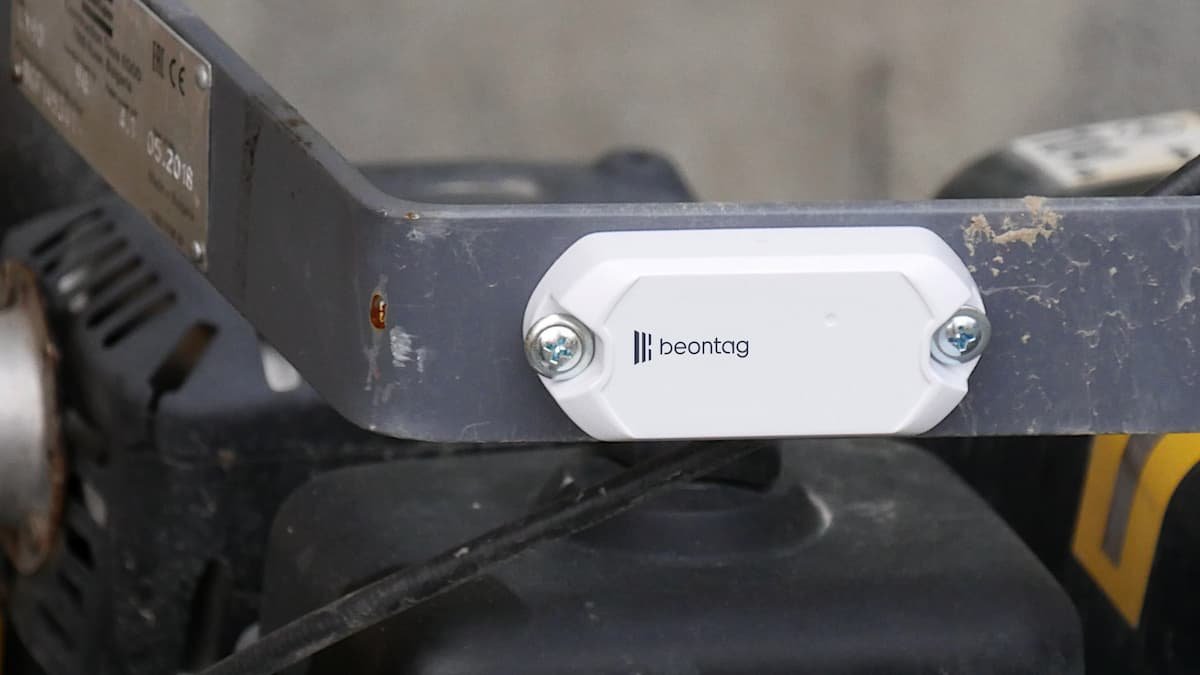
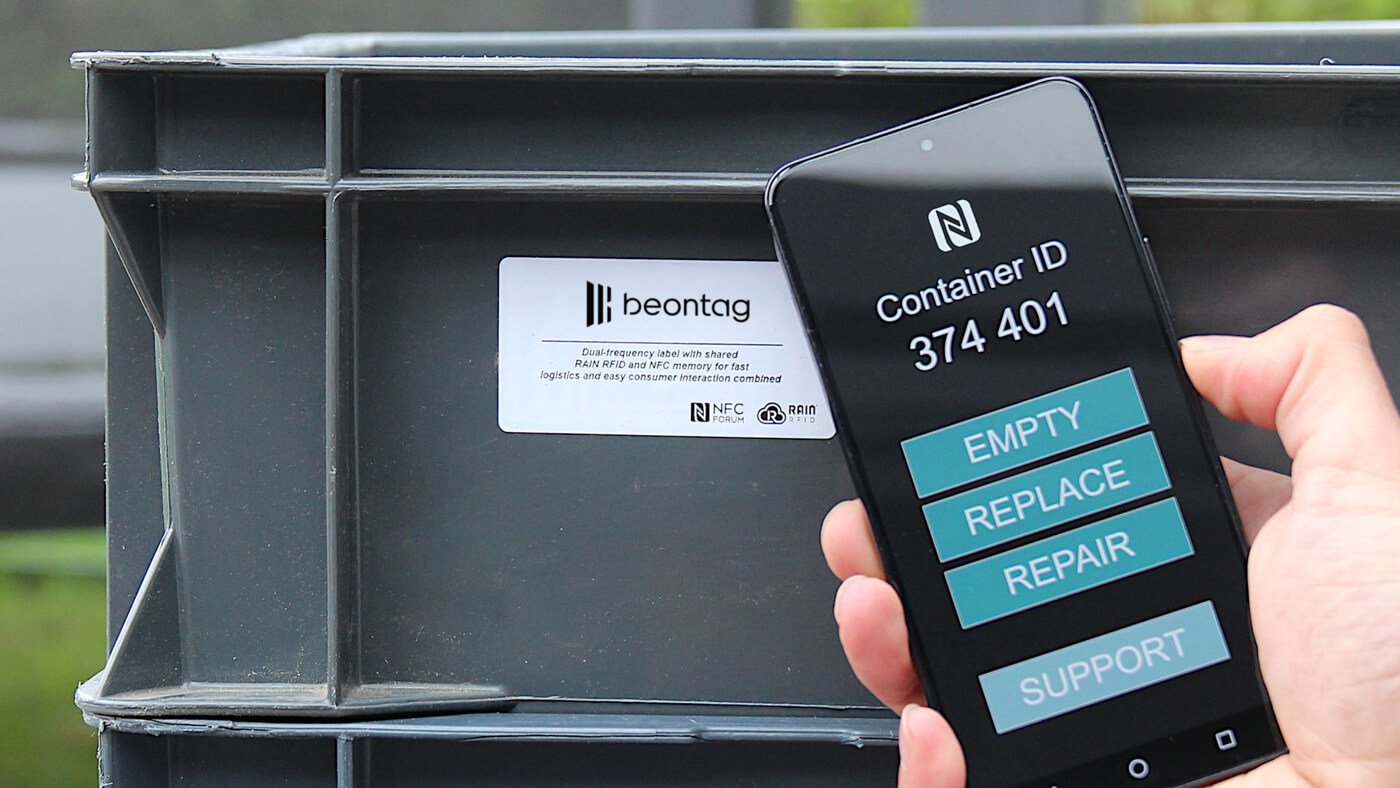
Asset tracking is another important use case for RFID in food and beverage operations. Reusable assets such as crates, pallets, and containers often move across multiple facilities, making manual tracking inefficient and unreliable.
RFID Labels for Food and Beverage allow these assets to be automatically identified as they move through the supply chain. This improves visibility, reduces losses, and supports better asset utilization without adding operational complexity.
When combined with optimized tag placement and material selection, asset tracking solutions deliver consistent performance even in demanding industrial environments.
Both serve the purpose of identifying products and assets; they differ significantly in how data is captured, processed, and used in real operations.
The table below highlights the main differences between RFID Labels for Food and Beverage and traditional barcodes.
| Aspect | Barcode | RFID |
| Reading method | Requires line-of-sight scanning | Does not require line-of-sight |
| Reading volume | One item at a time | Multiple items simultaneously |
| Automation level | Mostly manual or semi-automated | Fully automated |
| Reading speed | Slower, dependent on operator | High-speed, real-time |
| Data capture | Static information | Dynamic data can be updated |
| Performance in bulk | Limited | Highly effective |
| Performance in cold or sealed environments | Can be limited | Performs well when properly specified |
| Typical use in Food & Beverage | Simple identification, low complexity | Traceability, inventory accuracy, cold chain visibility |
| Scalability | Limited for complex operations | Highly scalable across supply chains |
Selecting the right RFID is not just about choosing a tag model. Performance depends on how the label interacts with the environment, the product, and the reading infrastructure.
Food and beverage applications are especially demanding due to temperature variation, moisture, and packaging diversity.
The right RFID Label is defined by a combination of material selection, chip sensitivity, and placement. Evaluating these factors together helps ensure reliable reads and consistent performance in real operating conditions.
The sections below show the most important criteria to consider when specifying an RFID label for food and beverage use.
The environment where the RFID label will operate has a direct impact on performance. Cold rooms, freezers, humid areas, and outdoor logistics all create different challenges for radio frequency behavior.
Labels used in cold chain or wet environments must be designed to withstand temperature changes and moisture without losing readability. Choosing materials and adhesives that remain stable under these conditions helps maintain consistent identification throughout the product lifecycle.
Understanding environmental exposure early in the selection process helps avoid performance issues once the system is live.
The surface where the RFID label is applied plays a major role in read performance. Materials such as glass, plastic, cardboard, or metal interact differently with radio waves and can affect signal strength.
In food and beverage packaging, liquids and metallic components are common and can reduce read range if not properly considered. Selecting RFID Labels for Food and Beverage that are designed for specific surface types helps ensure reliable reads and reduces the need for rework.
Proper label placement and testing on the final packaging format are important steps before scaling production.
Read range defines how far an RFID label can be detected, while the read zone refers to the physical area where tags are reliably read. Both must be aligned with the operational setup.
Short read ranges may be ideal for controlled processes, while longer ranges support fast-moving logistics and bulk reading. Overpowered systems can also create unwanted reads, so balance is key.
Designing the system around the actual read zone helps improve accuracy and prevents data noise in food and beverage operations.
Food and beverage RFID applications must comply with regional regulations and industry standards. These include radio frequency regulations, food safety requirements, and customer-specific specifications.
RFID Labels for Food and Beverage should be designed and tested according to applicable standards to ensure safe use, interoperability, and long-term reliability. This is especially important for products distributed across multiple regions.
Working with experienced suppliers helps simplify compliance and reduces risks during deployment.
Choosing and implementing RFID Labels for Food and Beverage requires technical expertise and understanding applications. Beontag supports this process by offering a broad portfolio of RFID tags, inlays, and materials designed for demanding environments.
With experience across food, beverage, logistics, and retail applications, Beontag works closely with customers to match tag design, material selection, and system requirements. This includes guidance on testing, validation, and optimization before large-scale deployment.
By combining technical know-how with proven solutions, Beontag helps companies achieve reliable RFID performance, improve visibility, and scale their operations with confidence. If you want to explore how RFID can work for your specific application, Beontag’s solutions are a strong place to start.