What Is an RFID Chip? Learn How It Works and How It Differs from RFID Tags and Labels

Subscribe to our newsletter!Stay up to date, subscribe to our newsletter!
SubscribeDigital Product Passport with RFID connects physical products to structured lifecycle data using unique identifiers, enabling traceability, compliance, and transparency across supply chains. Learn how it works, why RFID supports DPP, and how to implement it effectively.


Digital transformation is changing how products are tracked and managed across their lifecycle. The Digital Product Passport with RFID connects physical items to digital data, supporting traceability and better visibility across supply chains.
At the same time, companies face growing pressure to prove product origin, ensure compliance, and manage sustainability data. Traditional tracking methods often lack accuracy and real-time visibility, creating gaps in information and operational challenges.
The Digital Product Passport with RFID addresses these issues by linking products to dynamic digital records. With RFID and cloud systems, companies can automate data capture and improve transparency. Continue reading to understand how it works and how to implement it effectively.

Digital transformation is changing how products are tracked and managed across their lifecycle. The Digital Product Passport with RFID connects physical items to digital data, supporting traceability and better visibility across supply chains.
At the same time, companies face growing pressure to prove product origin, ensure compliance, and manage sustainability data. Traditional tracking methods often lack accuracy and real-time visibility, creating gaps in information and operational challenges.
The Digital Product Passport with RFID addresses these issues by linking products to dynamic digital records. With RFID and cloud systems, companies can automate data capture and improve transparency. Continue reading to understand how it works and how to implement it effectively.
A Digital Product Passport is a structured digital record that contains key information about a product throughout its lifecycle. It includes data such as origin, materials, manufacturing processes, and end-of-life instructions.
The Digital Product Passport with RFID enhances this concept by linking data directly to the physical product through embedded tags.
This system is gaining traction due to regulatory frameworks, where DPPs are being introduced support sustainability and circular economy goals.
By standardizing product information, companies can ensure compliance while improving transparency for stakeholders, including consumers, regulators, and supply chain partners.
Unlike static labels, a Digital Product Passport with RFID allows continuous updates. Data can be enriched at each stage of the product journey, ensuring that information remains accurate and accessible.
RFID technology enables wireless data capture without requiring line-of-sight, making it highly efficient for tracking products at scale. When used in a Digital Product Passport, tags act as unique identifiers that connect each item to its digital record, allowing seamless data retrieval across the supply chain.
Compared to traditional barcodes, RFID offers faster reading speeds and the ability to scan multiple items simultaneously. This reduces manual effort and increases accuracy in environments such as warehouses, retail stores, and manufacturing facilities. These capabilities are particularly valuable when managing large volumes of products.
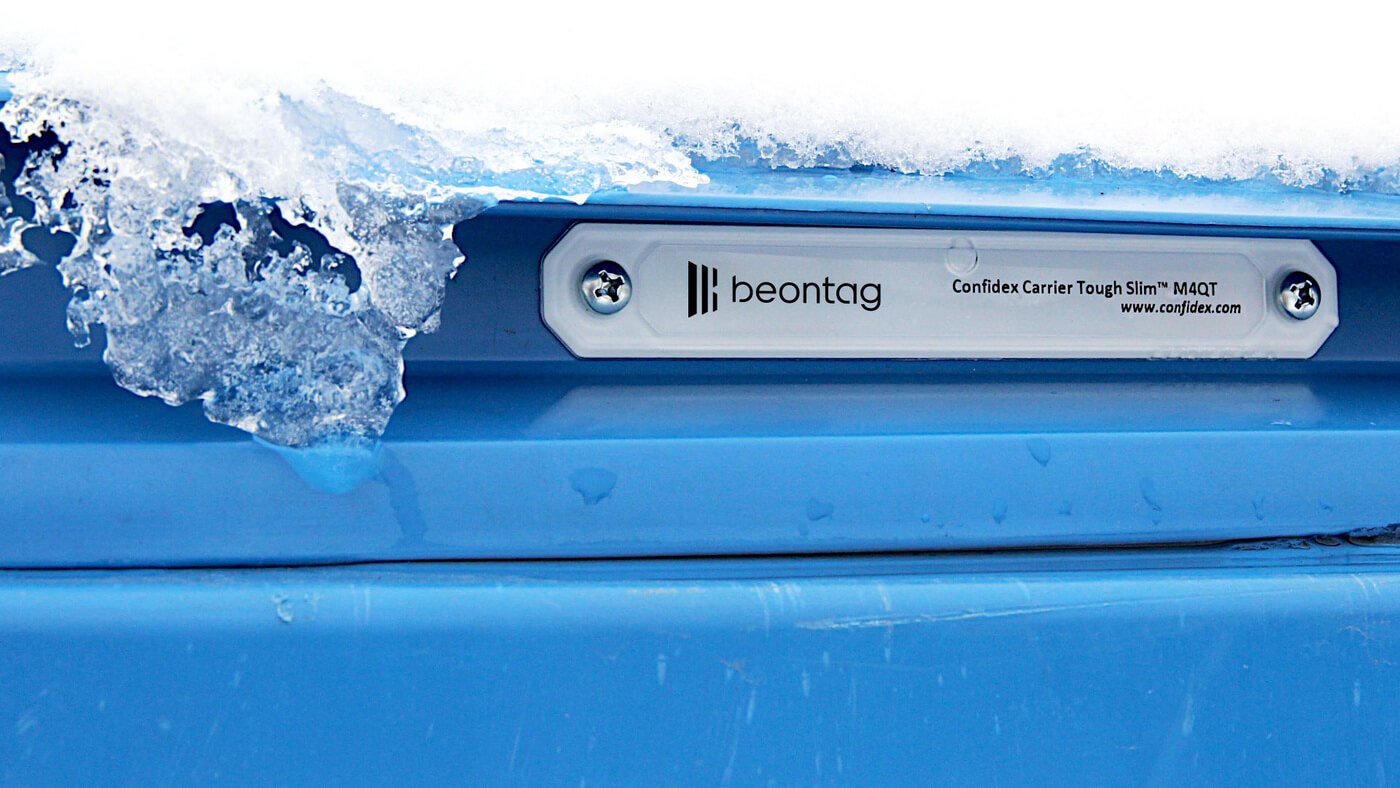
Another advantage of RFID in the Digital Product Passport with RFID is durability. RFID tags can be designed to withstand harsh conditions, including heat, moisture, and mechanical stress.
This ensures reliable data access throughout the product lifecycle, even in demanding industrial or logistics environments.
RFID-enabled Digital Product Passports operate through a structured flow of data capture and updates across the product lifecycle. Each interaction enriches the product record, creating a continuous and reliable data stream that supports traceability, compliance, and operational visibility across supply chain stages.
Instead of relying on manual inputs, data is captured automatically at key points, ensuring consistency and reducing errors. This allows companies to maintain accurate product histories while improving process efficiency and enabling better decision-making.
The process begins with encoding an RFID tag with a unique identifier. This identifier typically follows standards such as EPC or combines a GS1 GTIN with a serial number, ensuring that each product is individually distinguishable within the Digital Product Passport with RFID system.
This unique ID acts as the key that links the physical item to its digital counterpart. By using standardized identification methods, companies can ensure compatibility across systems and partners.
Accurate encoding is important for maintaining data integrity. It ensures that every interaction with the product is correctly recorded, enabling reliable tracking and supporting the overall effectiveness.
After encoding, the RFID tag is linked to a digital twin stored in the cloud. This record contains all relevant product data and forms the core of the Digital Product Passport.
Cloud access allows data to be updated and retrieved in real time, ensuring consistency across stakeholders. This reduces information gaps and improves coordination.
It also enables integration with other systems, enriching the Digital Product Passport with additional data sources.
As the product moves through its lifecycle, RFID readers capture data at key checkpoints. These include manufacturing, distribution centers, retail environments, and end-of-life processes, all contributing to the Digital Product Passport.
Each scan updates the digital record, creating a detailed history of the product’s journey. This continuous data capture improves traceability and helps identify inefficiencies or risks in the supply chain.
Automating this process reduces reliance on manual data entry, minimizing errors, and ensuring consistency. This is especially important in complex operations where accuracy and speed are critical for performance and compliance.
Different stakeholders interact with the Digital Product Passport with RFID using tailored access methods. Enterprise users rely on RFID readers and integrated systems to retrieve detailed operational data quickly and efficiently.
For consumers, a hybrid approach is often used, combining RFID infrastructure with QR codes. Allowing users to access selected product information through smartphones without requiring specialized equipment.
This dual-access model ensures that both operational teams and end users benefit from the Digital Product Passport with RFID. It balances efficiency with accessibility, supporting transparency, while maintaining robust data management capabilities.
The RFID provides several benefits that extend beyond compliance. These advantages support operational efficiency, sustainability, and risk management.
By enabling real-time data capture and reliable identification, RFID strengthens the value of DPP systems.
Organizations can use these benefits to improve both performance and transparency.
RFID readers capture product movements automatically as items pass through checkpoints such as dock doors or store entrances. This data is instantly sent to the Digital Product Passport with RFID, showing where each item is and its current status.
This eliminates the need for manual scans and reduces blind spots in the supply chain. As a result, companies gain a clearer view of inventory flow and can quickly identify delays or disruptions.
With this level of visibility, decision-making becomes faster and more precise, improving overall operational performance.
Each RFID tag contains a unique identifier that cannot be easily duplicated. When scanned, this ID is checked against the Digital Product Passport with RFID to confirm authenticity.
If a product does not match its digital record, it can be flagged immediately. This allows companies to detect counterfeit items early in the distribution process or even at the point of sale.
This verification process strengthens brand protection and ensures that only genuine products reach consumers.
As products move through the supply chain, RFID readers automatically log key events such as production, shipment, and delivery. This data is stored in the Digital Product Passport with RFID without requiring manual input.
This creates a reliable audit trail that can be used for regulatory reporting. Companies no longer need to gather information from multiple sources, reducing time and risk of errors.
The result is a more efficient and accurate compliance process, aligned with regulatory requirements.
RFID enables detailed tracking of materials and product history by recording each lifecycle event in the Digital Product Passport. This includes manufacturing data, usage, and end-of-life handling.
With this information, companies can identify opportunities for reuse, recycling, or better material selection. It also helps verify sustainability claims with real data.
This level of transparency supports circular economy initiatives and more responsible resource management.
RFID reduces labor by automating tasks such as inventory counting and product tracking. Instead of scanning items one by one, multiple products can be read simultaneously, saving time and effort.
This efficiency lowers operational costs and reduces errors like misplaced or lost inventory. The data collected also helps optimize processes and improve planning.
Over time, these gains translate into measurable ROI, going beyond compliance and directly impacting business performance.
The DPP with RFID is particularly relevant for industries with high regulatory and environmental impact. The European Union is leading the adoption through its Ecodesign and sustainability regulations.
These industries must provide detailed product data and ensure traceability across the lifecycle. RFID supports these requirements by enabling scalable identification and data capture.
Understanding which sectors are affected helps organizations prepare for upcoming regulations.
Battery regulations in the EU require tracking of materials, carbon footprint, and recycling data. The Digital Product Passport with RFID enables this by linking each battery to a unique identifier stored in its digital record.
During production, RFID tags are encoded and associated with material data. As the battery moves through distribution and usage, readers capture events such as shipment and installation, updating the record automatically.
At end-of-life, recyclers can scan the battery to access composition and handling instructions. This improves recycling efficiency and ensures compliance with environmental regulations.
The textile sector must provide transparency about material sourcing, production processes, and sustainability claims. The DPP connects each garment to this data through an embedded or attached tag.
During manufacturing, information such as fabric composition and origin is linked to the product. RFID readers then track movement through warehouses and retail, updating inventory and lifecycle data.
At the consumer level, QR codes linked to the same record allow access to selected information. Supporting transparency while improving stock accuracy and reducing losses.
Electronics require detailed tracking of components, compliance certifications, and recycling requirements. RFID stores this information in a digital record linked to each device.
During assembly, component data is associated with the RFID tag. As products move through the supply chain, scans capture logistics and ownership changes automatically.
At disposal or repair, technicians can access the product history instantly. This supports proper recycling, maintenance, and regulatory compliance.
These industries require traceability of raw materials, production batches, and quality standards. The Digital Product Passport with RFID enables this by assigning identifiers to materials or finished products.
RFID tags are applied during production, linking batch data and specifications to each item. As materials move through processing and distribution, scans update their status and location.
Furniture products must increasingly provide information about materials, durability, and recyclability. The Digital Product Passport with RFID connects this data to each item through a tag.
During manufacturing, material composition and production details are recorded. RFID tracking supports logistics and inventory management as products move to distribution and retail.
At end-of-life, recyclers can access disassembly and material information. This supports reuse and recycling, aligning with circular economy requirements.
Tire regulations require tracking performance, safety, and lifecycle data. The DPP enables this by linking each tire to a digital record accessible through RFID scans.
During production, performance and material data are associated with the tag. As tires are distributed and used, scans can record location, maintenance, or replacement events.
At end-of-life, the stored data supports proper recycling and disposal. This improves safety, compliance, and environmental performance across the tire lifecycle.
Implementing a Digital Product Passport with RFID involves a combination of technical choices and operational alignment.
Instead of treating it as a single deployment, companies should approach it as a structured rollout, where each decision directly impacts data quality and system performance.
Below are key actions and how they should be executed in practice:
Start by selecting tags based on the physical characteristics of the product. Materials like metal and liquids can interfere with signal performance, so tag type and placement must be tested in real conditions.
In practice, this means running validation tests on read range, positioning, and durability. A properly selected tag ensures that data is captured consistently across all stages of the lifecycle.
Standardization is what allows the Digital Product Passport with RFID to scale across systems and partners. Using GS1 EPC ensures that each product is identified in a consistent and globally recognized way.
To apply this, tags should be encoded with EPC structures linked to GTIN and serial numbers. This guarantees that data can be shared and interpreted correctly across the entire supply chain.
Since data is captured at multiple points, alignment between stakeholders is necessary from the beginning. Without this, gaps in data collection can compromise traceability.
In practice, companies should define where scans will happen and how data will be shared. This includes aligning infrastructure, processes, and responsibilities across all partners involved.
RFID data only becomes valuable when it is connected to enterprise systems. Integration ensures that events like product movement or status changes automatically update product records.
This requires linking RFID middleware to ERP or PLM platforms, enabling real-time data synchronization. The result is a consistent and reliable flow of information across operations.
Before expanding, it is important to test the system in a controlled environment. A pilot allows companies to validate performance and identify issues early.
During this phase, aspects like read accuracy, system integration, and process efficiency should be measured. Once validated, the solution can be scaled with lower risk and better predictability.
Beontag supports the DPP by providing RFID tags designed to connect physical products to digital records reliably. Since the tag is the data carrier, its performance directly impacts how consistent information is captured throughout the product lifecycle.
In practice, Beontag develops RFID tags tailored to different use cases, considering factors such as materials, form factors, and environmental conditions. This ensures stable readability across stages like manufacturing, logistics, retail, and even end-of-life processes.
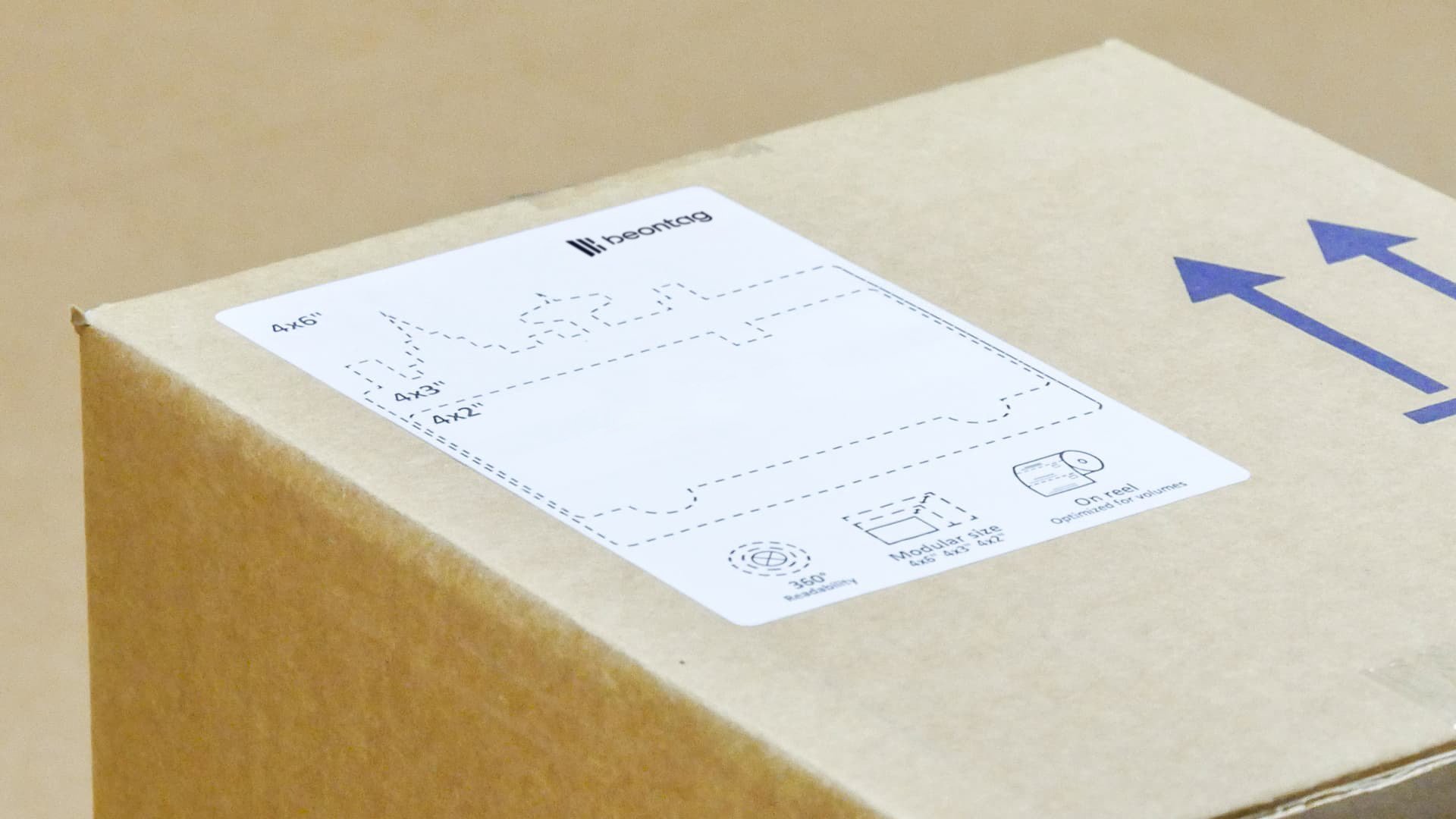
By offering a broad portfolio, Beontag enables companies to select the most suitable option for their products. This helps ensure that the Digital Product Passport operates with accurate and continuous data capture, supporting both compliance and operational goals.
To move forward with your Digital Product Passport strategy, get in touch with Beontag and explore the full RFID tag portfolio designed for scalable and reliable deployments.