






How to Choose the Right Pressure-Sensitive Adhesive for Your Label Printing

Stay up to date, subscribe to our newsletter!
SubscribeRFID hard tags are durable identifiers used to track, secure, and manage assets in demanding environments. Explore how they work, the types available, their main applications, and how to select the right model to improve efficiency and reliability.


RFID technology has evolved into a strategic enabler for industries seeking accurate tracking, asset protection, and operational intelligence. Among its most resilient solutions, the RFID hard tag stands out for delivering durability, high performance, and reliable identification under challenging conditions.
While standard RFID labels are effective for many uses, not all of them adapt to extreme conditions, complex surfaces, or heavy-duty environments. Traditional tags may detach, break, or experience reading issues, creating operational gaps in sectors that require uninterrupted visibility, advanced automation, and long-term identification.
By adopting the right RFID hard tag, companies overcome these limitations and achieve stronger asset control, reduced losses, and improved process efficiency. In this guide, you will learn more about how hard tags function and will discover more about high-performance technologies.
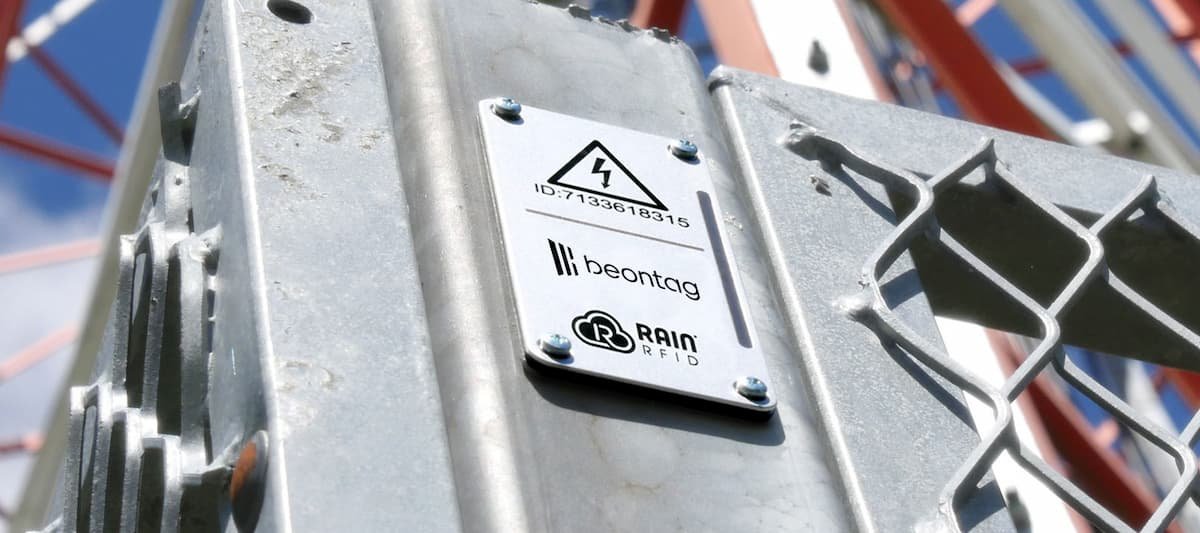
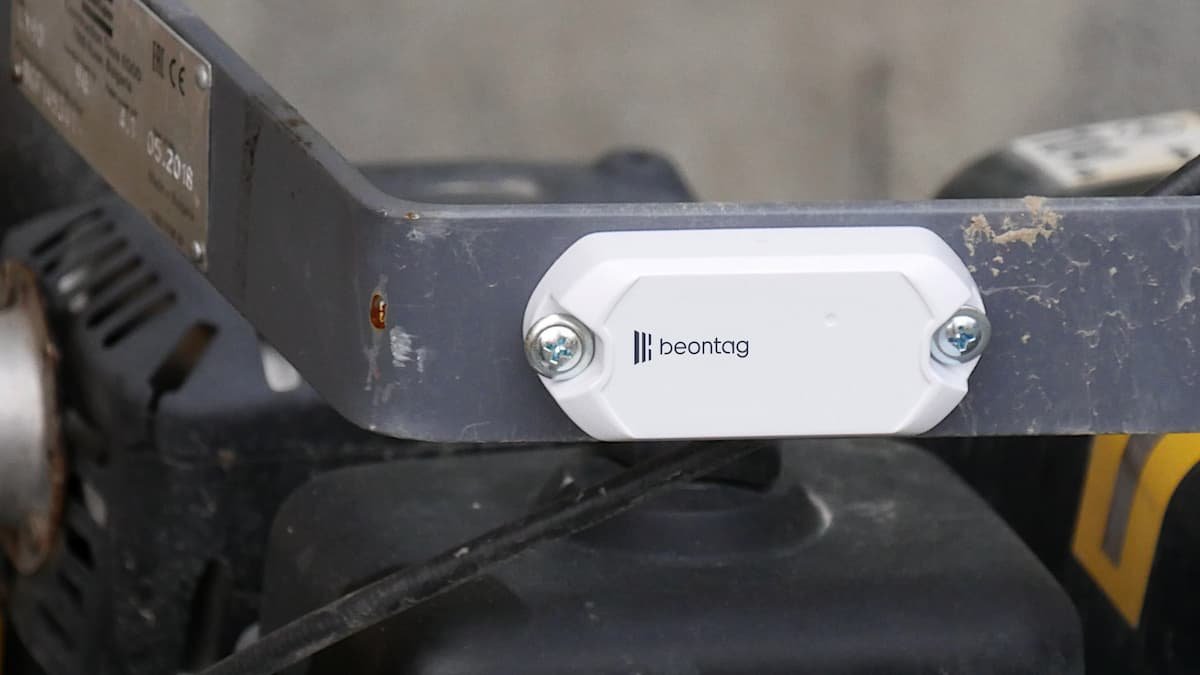
An RFID hard tag is a highly durable electronic identifier designed to withstand harsh physical, chemical, and environmental conditions. Unlike conventional RFID labels, which use flexible substrates, a hard tag incorporates a reinforced structure that protects the embedded chip and antenna. This protective design makes a RFID hard tag suitable for industrial, outdoor, or high-impact applications requiring secure and long-term identification.
RFID hard tags are engineered to operate reliably under:
Delivering stable read performance across varied environments. Their rigid housing enables consistent data transmission, even when mounted on metal, deployed on moving assets, or exposed to abrasion. For businesses prioritizing durability and accuracy, these tags represent a robust identification solution.
Many industries adopt hard tags to support asset tracking, equipment monitoring, and returnable transport management. Their rugged design minimizes replacement needs and reduces error rates in workflows that depend on automated scanning.
RFID hard tags operate by exchanging radio frequency signals with an RFID reader. Inside each tag, an integrated circuit stores unique data, while an antenna transmits information when energized. Depending on the type, an RFID hard tag may use internal power or rely on electromagnetic waves generated by the reader to activate communication.
When the tag enters the reader’s field, it establishes a wireless link that allows data capture even without direct contact or line-of-sight. This process enables fast, automated identification of assets in motion. RFID systems reduce manual intervention and streamline data collection across diverse workflows.
Because hard tags house these components inside a rugged shell, they maintain stable performance in environments that would degrade standard labels. This durability ensures reliable read rates in metal-intensive spaces, temperature-sensitive operations, or industrial production lines. As a result, hard tags support higher accuracy and resilience, delivering long-term operational consistency.
Find out more about Beontag’s RFID technology:
RFID Tag Types (UHF, HF, LF): Which One to Choose for Your Application
What are RFID Tags? Understanding Their Function and Uses
How RFID Asset Tracking Works – and the Benefits You Should Know
RFID hard tags can be classified across different dimensions that define how they communicate, where they can be mounted, and how they withstand environmental stress. Understanding these dimensions independently avoids confusion and helps organizations select solutions that combine multiple capabilities.
Keep reading to see RFID hard tag types explained through power source, surface compatibility, and environmental durability.
The power source defines how an RFID hard tag transmits data and determines its read range, lifespan, and use case. This dimension focuses on the internal energy architecture of the tag and directly impacts performance, cost, and scalability. Power source classification is independent of encapsulation or environmental resistance.
Substrate compatibility defines how an RFID hard tag interacts with the surface to which it is attached. Different materials affect radio frequency behavior, making this dimension critical for maintaining consistent reading performance. Proper surface compatibility ensures that the tag functions reliably without signal distortion or interference.
Plastic hard tags use reinforced polymer housing that resist moisture, abrasion, and impact. Their lightweight yet resilient structure makes them suitable for warehousing, retail, and industrial handling. Depending on design, they can support various RFID frequencies and attachment methods. A plastic-based RFID hard tag is a versatile choice for environments requiring reliable daily use.
Environmental durability describes the RFID hard tag’s ability to survive physical, chemical, and environmental stressors. This dimension defines the protective “armor” of the tag and determines its suitability for harsh or specialized conditions. Durability characteristics are often combined with power source and surface compatibility requirements.
Although designs vary across industries, most RFID hard tags share core structural components that define their durability and performance. Understanding these elements helps organizations evaluate which configurations align with their operational goals and environmental challenges.
Each component directly influences how well a RFID hard tag performs under physical or environmental stress.
RFID hard tags bring measurable gains to organizations that require consistent identification, durability, and operational intelligence. Their rugged design elevates performance in environments where traditional RFID labels fail. The table below highlights the key commercial advantages of choosing a well-engineered RFID hard tag and how each benefit impacts efficiency and long-term value.
| Advantage | Description | Operational / Business Impact |
| Exceptional Durability | Hard tags withstand impacts, chemicals, water, and extreme temperatures without losing functionality. | Reduces replacement cycles, lowers maintenance costs, and ensures long-term reliability in demanding environments. |
| High Performance on Challenging Surfaces | Designed for metal, curved, textured, or unstable surfaces where standard labels fail. | Ensures consistent read rates, prevents data loss, and supports automation across complex asset categories. |
| Extended Lifecycle | Engineered for repeated use across multi-year operations and reusable assets. | Maximizes return on investment by reducing total cost of ownership and improving asset utilization. |
| Automated, Accurate Visibility | Supports fast, non-line-of-sight data capture with high read reliability. | Boosts operational efficiency, increases accuracy in inventory, and reduces manual labor. |
| Enhanced Asset Security | Provides stable, traceable identification for valuable assets, RTIs, tools, and equipment. | Reduces loss, improves accountability, and strengthens supply-chain security. |
RFID hard tags support high-value applications in sectors that rely on durability, accuracy, and consistent identification. Their robust construction enables performance in environments where traditional RFID labels would fail due to impact, temperature, or challenging surfaces. The following categories illustrate where RFID hard tag solutions deliver strong operational outcomes, based on real market demands and widely adopted use cases.
Logistics operations depend on real-time visibility and reliable tracking across complex environments. An RFID hard tag ensures strong performance on reusable assets, pallets, cages, and high-value equipment that must withstand handling, vibration, and outdoor exposure. By enabling automated scans and accurate inventory counts, the technology reduces manual errors, optimizes throughput, and enhances supply-chain responsiveness.
Warehousing processes also benefit from the tag’s capacity to maintain identification across long cycles of movement and storage. Whether applied to racks, containers, or returnable assets, the RFID hard tag supports full traceability and cycle-count automation. This reliability strengthens operational planning, improves asset return rates, and reduces losses throughout distribution networks, even under demanding environmental conditions.
Manufacturing environments require identification solutions capable of resisting temperature fluctuations, chemical exposure, and heavy mechanical stress. An RFID hard tag delivers these characteristics, allowing manufacturers to track tools, components, production equipment, and work-in-progress items. Its rugged structure ensures uninterrupted performance, enabling leaner workflows and reducing downtime caused by misplaced or unidentified materials.
By enabling automated data capture, the tag supports process efficiency and quality control. Manufacturers can use RFID hard tags to verify production stages, associate components with digital records, and maintain regulatory traceability. This creates a foundation for smarter factories, enhances operational accuracy, and supports the digital transformation strategies increasingly adopted across industrial sectors worldwide.
Automotive production demands traceability for parts, subassemblies, tools, and high-value components. An RFID hard tag ensures dependable identification throughout welding, painting, and assembly processes, which often expose tags to heat, chemicals, and physical stress. Its resilience supports accurate asset tracking and helps maintain compliance with rigorous production standards across global automotive operations.
Additionally, this technology enhances maintenance visibility and asset control within large manufacturing plants. From identifying returnable containers to tracking specialized tools and equipment, the RFID hard tag strengthens operational coordination. This enables manufacturers to minimize losses, avoid production interruptions, and maintain full assurance of component integrity across the vehicle manufacturing lifecycle.
Selecting the ideal RFID hard tag requires careful assessment of environmental conditions, asset types, and performance expectations. Each application may demand specific materials, mounting techniques, or read-range capabilities. Understanding these criteria ensures that businesses choose the right tag for accuracy, durability, and scalability.
Environmental stressors significantly influence tag performance. High-temperature areas, chemical exposure, or outdoor conditions may require a reinforced encapsulation or specialized materials such as ceramic or heat-resistant composites. The proper RFID hard tag ensures consistent reliability by matching its construction to operational demands, preventing failures and extending asset lifecycle across challenging industrial settings.
Environmental considerations also include moisture levels, UV exposure, and physical impact. A durable tag ensures uninterrupted data capture even in demanding conditions. By selecting materials specifically designed for each environment, organizations reduce maintenance costs and maintain traceability across critical workflows. This alignment supports long-term operational resilience and predictable performance.
Different surfaces require different mounting approaches to maintain strong reading performance. Metal objects, for instance, can interfere with RF signals, making metal-mount RFID hard tags essential for accurate identification. Proper alignment between the tag and the surface ensures stable communication, reducing read errors and improving overall system efficiency across various operational contexts.
Choosing the correct attachment method such as screws, rivets, adhesive, or cable ties, also influences long-term durability. Stable mounting prevents detachment during transport or handling, maintaining traceability throughout the asset’s lifecycle. Companies benefit from higher accuracy, reduced manual intervention, and smoother inventory or asset-management processes.
RFID hard tags operate across different frequency bands, influencing read range, speed, and environmental compatibility. UHF tags offer longer ranges and rapid data capture, ideal for large-scale logistics and manufacturing. HF or LF alternatives may suit applications requiring shorter ranges or more controlled interactions. Selecting the right frequency ensures reliable performance for each specific operational requirement.
Frequency selection must also consider interference potential and regulatory compliance. Environments with heavy metal or electromagnetic noise may require specialized configurations to maintain stability. Aligning frequency with the operational environment guarantees consistent reads, enhances automation, and supports seamless integration with existing system infrastructures.
Applications vary widely in their need for fast or long-distance reads. A robust RFID hard tag designed for extended range ensures accurate identification of moving assets, whether in conveyors, warehouses, or production lines. Understanding what reading speed is demanded can help businesses choose tags that match their automation pace, preventing bottlenecks and improving operational flow.
Tag design, antenna structure, and reader configuration all influence read reach. When a tag matches performance expectations, organizations gain improved efficiency, faster cycle counts, and more reliable data collection. Properly aligned read capabilities support scalable deployments and deliver measurable improvements across diverse operational scenarios.
Durable construction is essential for industries that rely on multi-cycle assets or equipment subject to repeated handling. A high-quality RFID hard tag provides longevity and consistent functionality, reducing replacement frequency and long-term costs. Its rugged design ensures compatibility with returnable items, industrial machinery, and outdoor assets requiring sustained identification performance.
Reusability enhances the overall value proposition by spreading investment costs across numerous operational cycles. Consistent performance allows companies to maintain accurate records and streamline processes without interruption. This reliability supports leaner operations and contributes to more effective resource management across supply-chain and industrial environments.
Compliance with global RFID standards ensures interoperability, quality, and consistent performance. Tags designed in accordance with ISO/IEC 18000 and EPCglobal Class 1 Gen 2 specifications function seamlessly with certified readers, platforms, and multi-site operations. This guarantees compatibility and reduces risks during large-scale deployments across international markets.
Standardization also provides assurance of reliability, security, and data integrity. Businesses choosing compliant RFID hard tag solutions gain confidence in long-term viability and scalability. These standards allow organizations to expand their systems without redesigning infrastructure, supporting growth and maintaining operational consistency.
| Selection Criterion | What It Means | Why It Matters for Performance |
| Material & Environmental Fit | Evaluates exposure to heat, moisture, chemicals, or abrasion. | Ensures the tag remains readable and intact throughout the asset’s full lifecycle. |
| Mounting Surface Compatibility | Considers metal, plastic, glass, wood, or curved substrates. | Prevents detuning and read failures common when tags are used on unsuitable surfaces. |
| Operating Frequency | Chooses between LF, HF, or UHF based on the application. | Impacts read range, speed, and suitability for specific industries and environments. |
| Read Range & Speed Requirements | Defines how fast and how far the tag must be read. | Supports automation, conveyor systems, vehicle movement, and bulk scanning accuracy. |
| Durability & Reusability | Assesses the tag’s resistance to impacts, temperature shifts, and repeated use. | Reduces operational costs and ensures reliable long-term identification of assets. |
| Compliance & Standards | Ensures the tag meets ISO/IEC 18000 and EPCglobal Class 1 Gen 2. | Guarantees interoperability with global RFID readers, software platforms, and supply chain systems. |
A successful identification strategy relies on durable, high-performing tags that integrate smoothly into complex environments. RFID hard tags deliver this strength, supporting reliable tracking, automation, and asset integrity across multiple industries. To achieve these outcomes, organizations benefit from selecting solutions engineered for resilience, precision, and durability, especially in operations involving harsh conditions or high mobility.
Companies seeking to optimize visibility and efficiency across their value chains require technologies that maintain accuracy over time. High-quality hard tags ensure stability and seamless integration with existing systems, enabling consistent data capture and informed decision-making. This empowers businesses to enhance productivity while reducing operational waste and manual intervention.
Beontag provides a full portfolio of RFID hard tags tailored to diverse applications. With global expertise, advanced engineering, and a commitment to sustainable innovation, Beontag delivers solutions that elevate asset intelligence and operational performance. Explore the full product lineup to find the ideal hard tag for your environment or contact a specialist to build a customized solution.