




What are self-adhesive (pressure-sensitive) labels and how do they work?

Stay up to date, subscribe to our newsletter!
SubscribeRFID tags for inventory use radio-frequency signals to identify and track items without needing a line of sight. This enables real-time visibility, faster audits, and far greater accuracy.


Inventory management often suffers human errors, delays, and lack of visibility, but RFID tags for inventory solve these issues by offering real-time, automated tracking. Managing inventory at scale is incredibly challenging. Many organizations still rely on manual counts, barcode scans, and labor-intensive audits.
The traditional methods are error-prone, slow, and costly. Missed inventory, discrepancies, and shrinkage are common problems. By leveraging RFID for asset tracking, businesses can scan hundreds or thousands of items quickly, reduce human error, and gain a clear, live picture of where everything is.
Keep reading to see more about RFID tags for inventory work, explore the benefits, examine different types of tags, and look at real-world applications. We'll also explain how to implement RFID successfully and what the future holds.
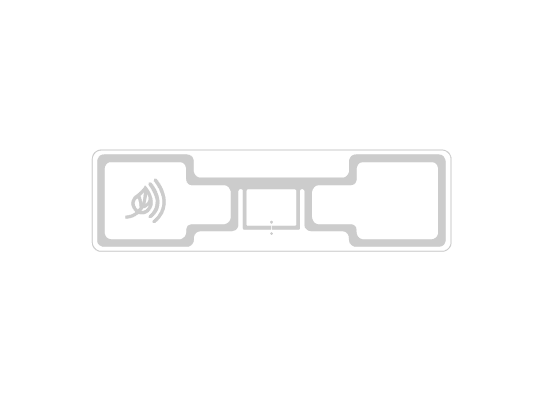
RFID stands for Radio Frequency Identification, a technology that uses radio waves to communicate between tags and readers. Unlike barcodes, RFID does not require a direct line of sight; readers can pick up data from multiple tags simultaneously.
At its core, an RFID system has three main components:
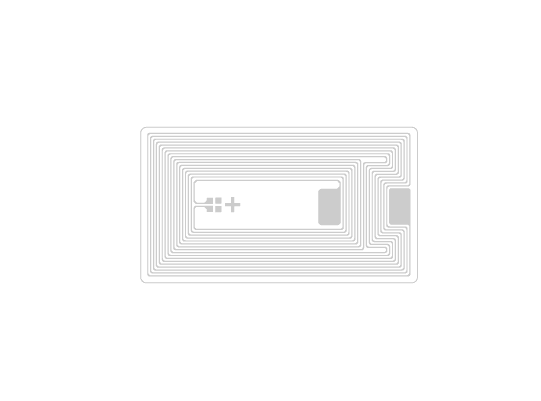
The reader emits a radio signal that powers passive tags, or communicates with active tags, which then send back their stored data. The tag contains a microchip and an antenna (the “inlay”), which holds product-specific information. When the tag is in range, the energy from the reader signal activates the tag, which reflects or “backscatters” the information back to the reader.
Once the reader receives the data, it passes it to a software system which interprets and logs the data. This allows a live, continuous view of inventory movement. To summarize, RFID readers can scan many tags at once, by providing real-time visibility into inventory levels, location, and status, something that’s difficult or impossible with manual barcode scanning.
Check our blog if you want to know more about RFID for asset tracking.
Implementing RFID tags for inventory can bring transformative benefits to any business that manages large volumes of assets or stock. By using RFID for asset tracking, companies can minimize reliance on manual scanning, reducing costly human errors, and accelerating key operational processes like audits and cycle counts.
One of the biggest advantages of RFID tags for inventory is the ability to see items in real time. Because RFID readers can continuously scan tags, you instantly know where each tagged item is in your warehouse, store, or logistic chain.
This real-time visibility helps prevent stockouts, overstocking, and misplacement. With up-to-date information, your team can make more informed decisions about replenishment, order fulfillment, and inventory allocation.
Additionally, tracking via RFID reduces the need for labor-intensive manual checks, freeing staff to focus on higher-value tasks instead of counting or scanning line by line.
Traditional inventory audits are slow and unreliable, especially when someone walks through aisles, scans barcodes one by one, and compares counts to records. With RFID for asset tracking, you can audit entire racks or pallets in seconds because readers pick up many tags at once.
This speed means more practical cycle counts, helping to maintain accuracy without disrupting operations and minimizing discrepancies and shrinkage.
Moreover, since RFID automates large parts of the count process, the burden on staff drops dramatically, reducing labor costs and increasing efficiency.
Manual scanning and data entry are highly susceptible to human error. Whether people mistype SKUs, skip items, or scan at the wrong time, inaccuracies creep in. RFID reduces this risk because the process is more automated.
RFID technology doesn’t require a line of sight and can scan many tags simultaneously, making sure that items that might be obscured or hard to reach still get counted correctly.
Over time, fewer manual interventions mean fewer mistakes, which leads to more reliable data, better decision-making, and lower costs due to miscounts or misplaced stock.
RFID technology significantly boosts inventory accuracy. Each RFID tag can carry a unique Electronic Product Code (EPC), that you can distinguish between individual items, even with identical SKUs, allowing more granular tracking.
Also, RFID readers can automatically validate incoming and outgoing shipments, catching packages or shipping mistakes before costly errors occur, which is especially useful in distribution or retail.
Using RFID for asset tracking enhances security. Since tags can be read even when they’re not visible, you can detect when assets leave the premises or enter restricted zones.This ability helps prevent loss, theft, and shrinkage, by identifying real-time monitoring flags, unusual movements or missing items, enabling swift intervention.
Furthermore, the automated nature of RFID reduces reliance on manual checks or spot audits, making it harder for items to go missing unnoticed, a real game-changer for high-value inventory.
Choosing between RFID and barcodes is a strategic decision shaped by operational speed, and the need for real-time visibility. While both systems are widely used for inventory control, each offers unique strengths and limitations that can significantly impact efficiency. The comparison table below highlights the key differences to help guide the evaluation.
| Criteria | RFID | Barcodes |
| Reading method | Radio frequency, no line of sight required | Requires direct line of sight |
| Reading speed | Reads multiple items simultaneously | One item at a time |
| Read range | Can reach several meters (depending on the tag) | Millimeters to a few centimeters |
| Durability | High—tags can be rugged or encapsulated | Lower—labels can tear or fade |
| Data capacity | Can store more data | Limited to the printed code |
| Automation and accuracy | High automation; up to 95%+ accuracy | Highly dependent on manual scanning |
| Performance in challenging environments | Strong performance even with limited visibility | Can struggle in hard-to-reach or obstructed areas |
| Best suited for | Complex inventories, high-volume operations, fast audits | Simple operations and low-cost items |
There’s no one-size-fits-all when it comes to RFID tags for inventory. Different use cases have different necessities that impact the selection of the right RFID tag, depending on your environment, distance requirements, read rate, and durability.
Passive tags are the most common type used in inventory tracking. They don’t have an internal battery; instead, they harness energy from the reader’s signal.
Because they lack a power source, passive tags are inexpensive, small, and long-lasting, making them ideal for large-scale applications like retail, warehouses, and supply chains.
Their reading range depends on the frequency: passive UHF (RAIN RFID) can be read from several meters, which is sufficient for many inventory tracking scenarios.
Active tags include their own power source (battery), which enables them to transmit signals periodically or continuously.
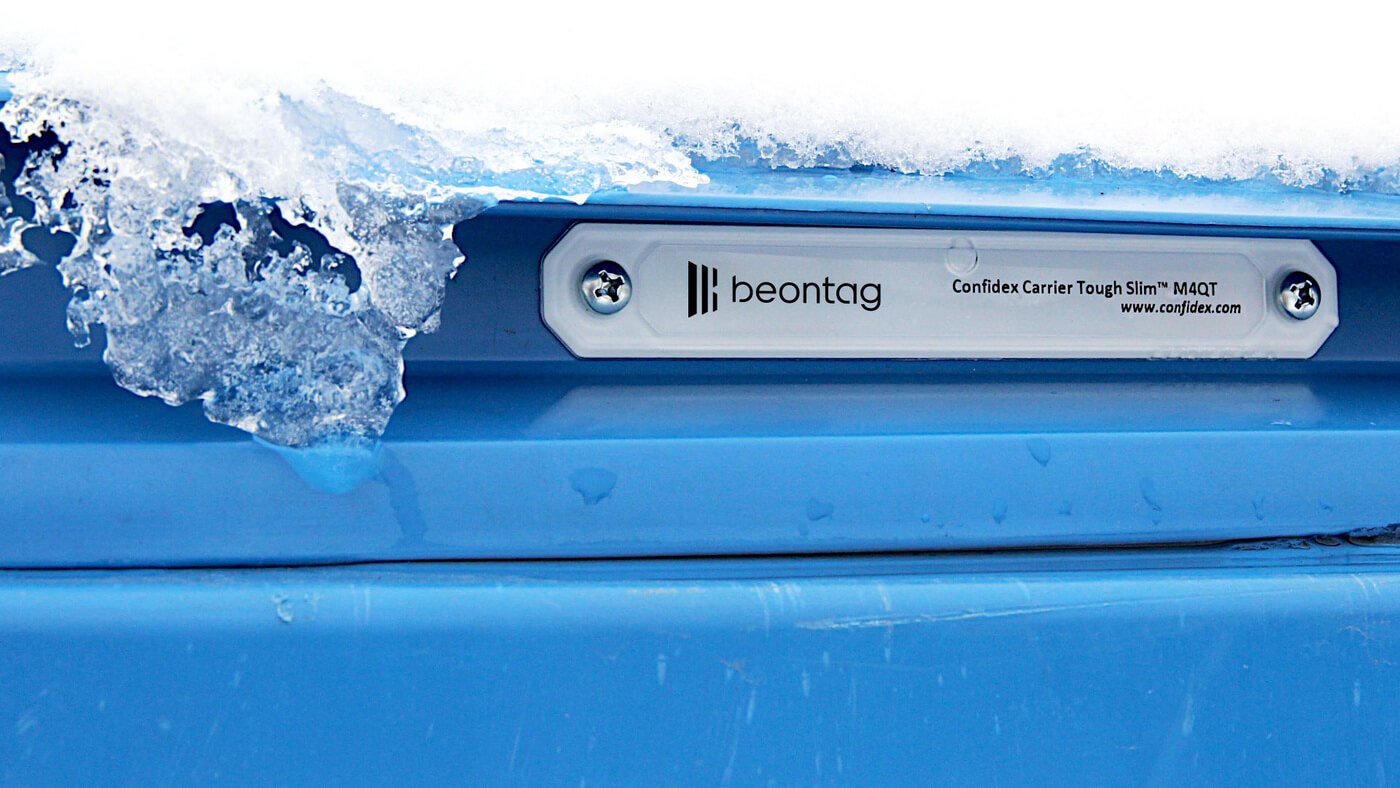
These tags offer longer range than passive ones, making them suitable for tracking large assets, vehicles, or containers across wide areas.
Because of their battery and complexity, active tags cost more and are bulkier, but their range and visibility make them ideal for high-value, mobile assets.
Semi-passive tags blend features of passive and active tags. They carry a battery but only use it to power the microchip, which means their communications still rely on backscattering. This design gives them better sensitivity and faster responses than pure passive tags, but with a lower power draw than fully active tags.
They are a good middle ground for applications that require longer read range or faster response, without the bulk or expense of fully active tags.
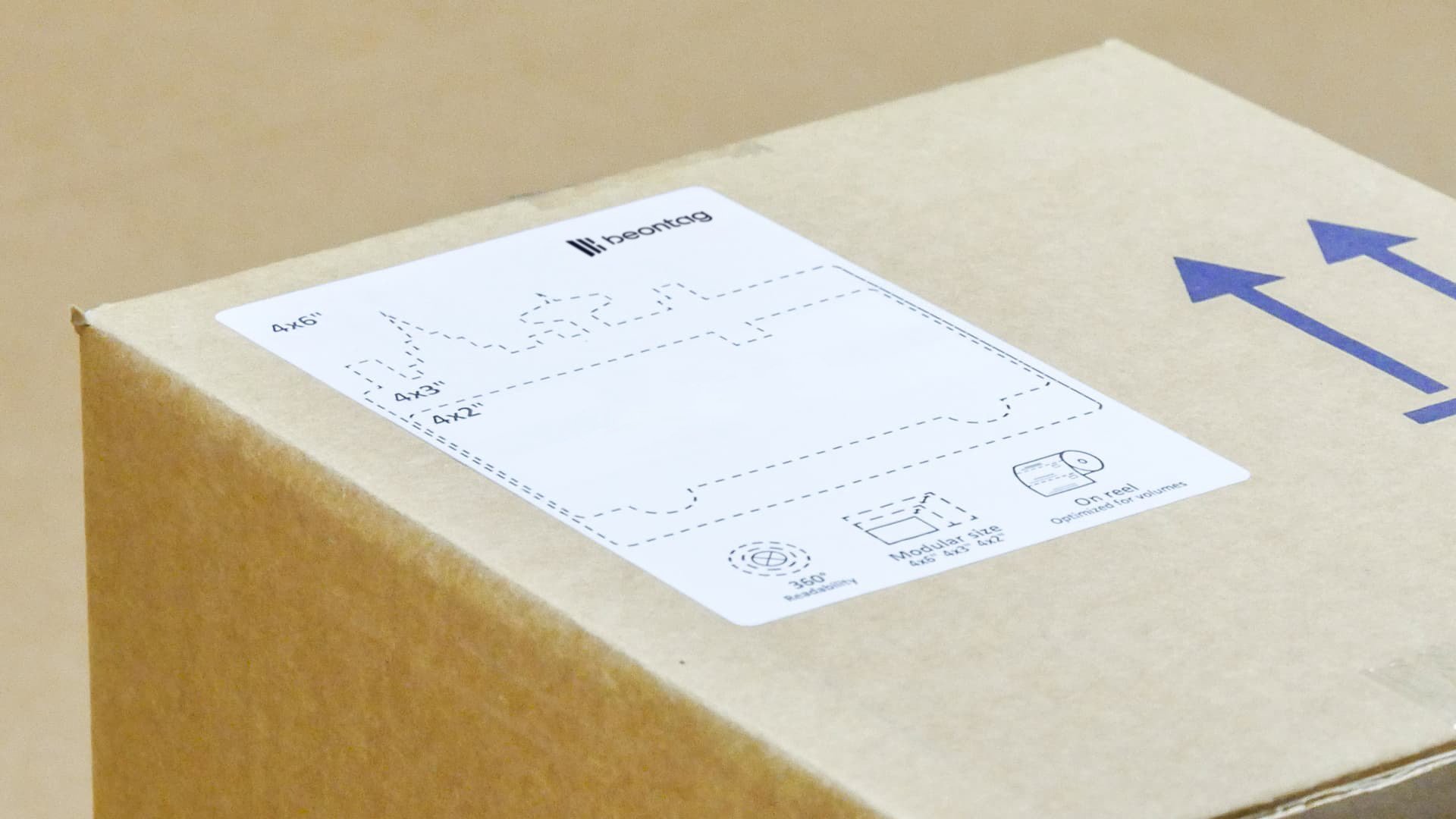
Beyond battery type, form factor means you can have hard tags (durable, rugged enclosures), or labels (usually thin, with flexible inlays).
RFID technology has real-world use cases across multiple industries, proving its transformative power. Different sectors face distinct inventory challenges, and RFID helps solve them by giving visibility, speed, and control. Here’s how RFID tags for inventory tracking are being applied.
In warehouses, RFID tags are used for inventory streamline inbound, outbound, and storage operations. Fixed readers at docks or conveyor belts automatically scan pallets and cartons as they move, reducing manual labor. This automation enhances accuracy and throughput, making warehouses that adopt RFID report higher inventory accuracy and lower labor costs.
Check out how the RFID technology can be used throughout Supply Chains and Logistics.
In retail, RFID tags for inventory enable item-level tracking, shrink reduction, and faster replenishment. Because each item can carry its own RFID tag, you gain detailed visibility of where products are. Retailers benefit from cycle counts that take minutes instead of hours, and real-time inventory insights that help prevent out-of-stocks or lost sales.
See how RFID technology can be applied for Mass Market and Retail.
In manufacturing, RFID for asset tracking supports tracking of parts, tools, and heavy machinery. Passive or active tags help monitor components through the production line and across workstations.
For example, Beontag worked with Michelin in tire manufacturing, in which RFID tags helped track tire components and finished products throughout the production and distribution process.
This level of traceability enables better inventory planning, reduces waste, and helps comply with quality or regulatory requirements.
In healthcare, inventory errors can have serious consequences. RFID tags for inventory improve management of medical devices, surgical tools, and high-value medical supplies.
By using RFID for asset tracking, hospitals can automatically track sterilization cycles, tool locations, and usage history, reduce loss and increase utilization.
It also supports compliance and patient safety: you know exactly where each tagged item is, have real-time status, and can avoid misplaced or missing critical tools.
Check out more applications of Beontag’s products for Healthcare and Pharmaceutical.
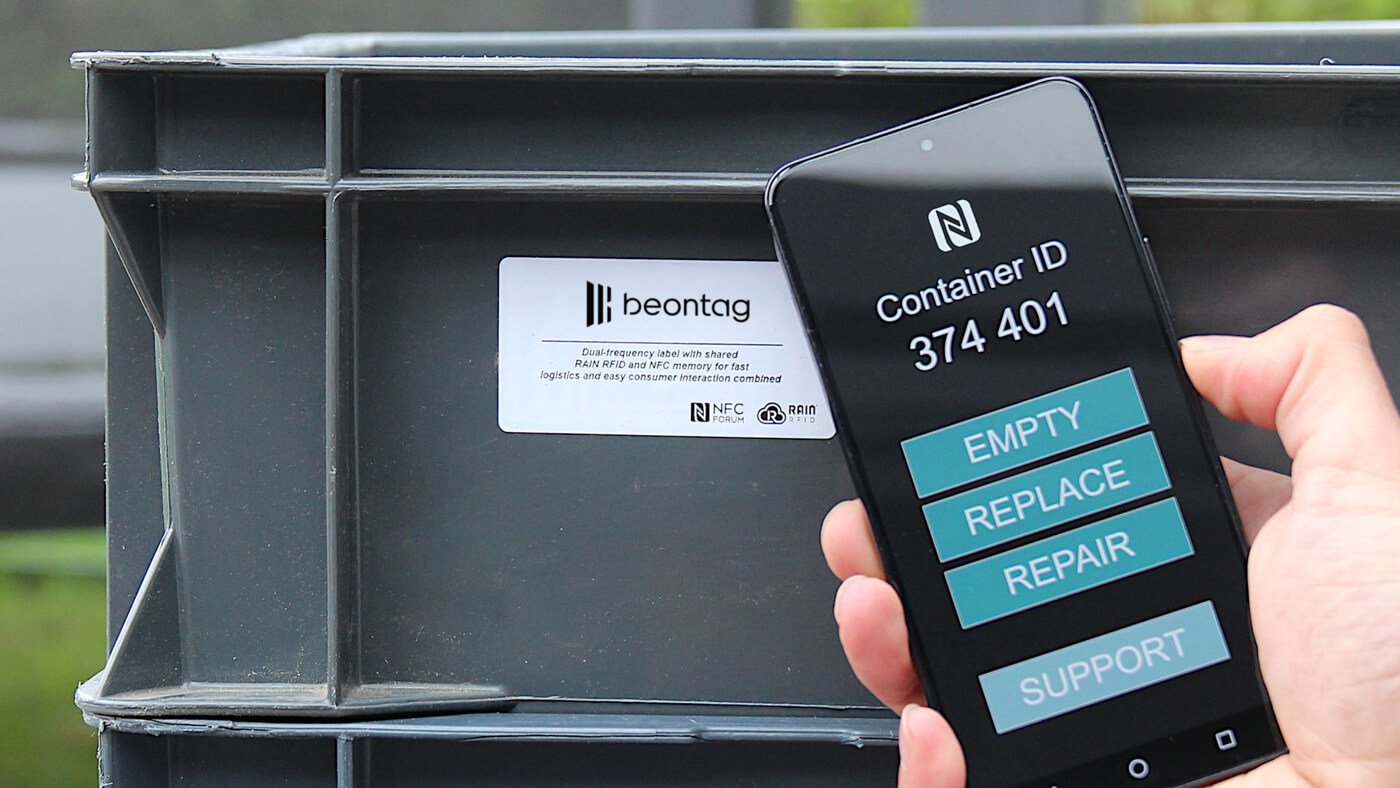
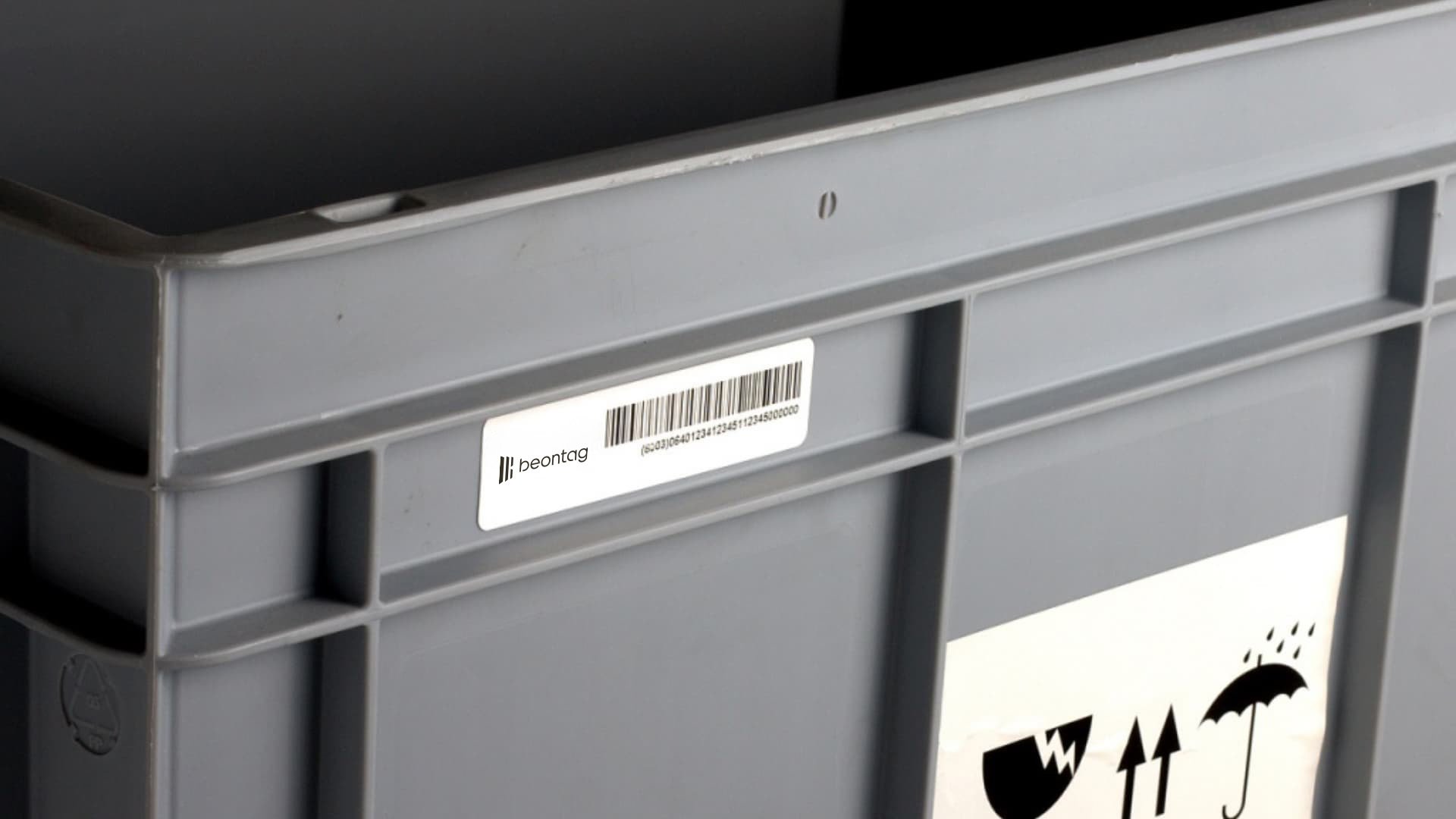
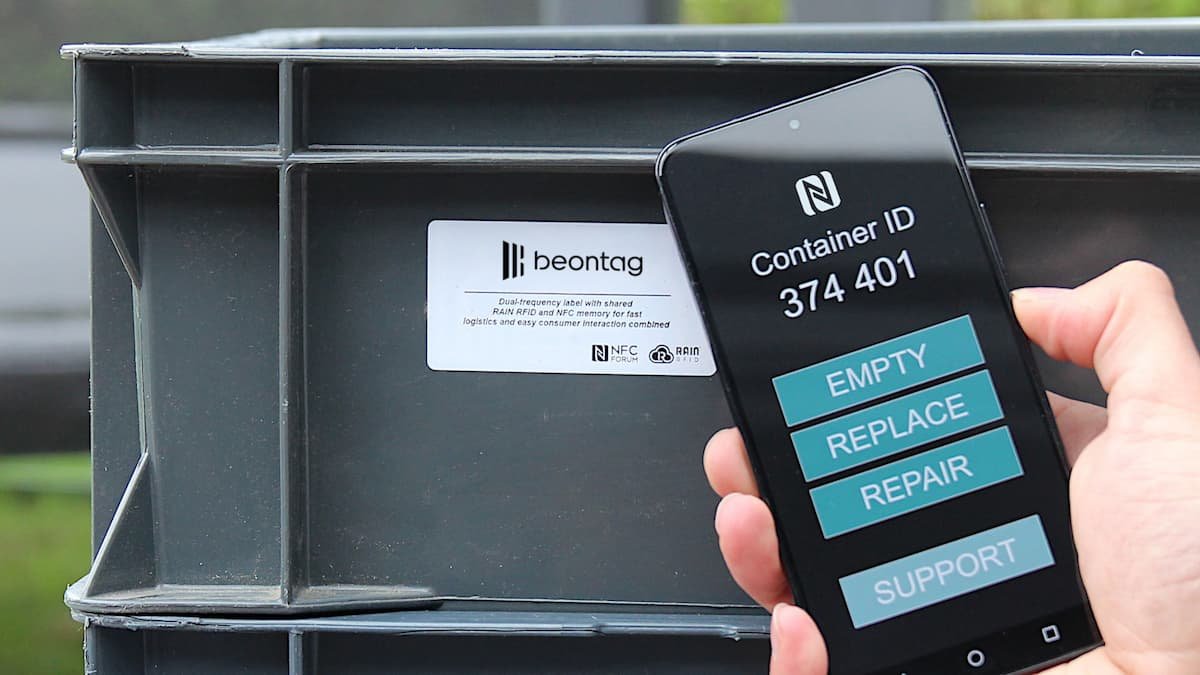
Industries that use returnable packaging (RTP) like crates, pallets, and reusable containers, can greatly benefit from RFID tags for inventory. Tags on returnable packages enable easier tracking of their lifecycle, location, and utilization.
By scanning these containers as they move through the supply chain, companies avoid losses, reduce replacement costs, and optimize reuse cycles. RFID reduces the burden of manual tracking, improving both cost efficiency and sustainability.
Successful adoption of RFID tags for inventory requires careful planning and execution. Here's a practical roadmap to guide implementation.
RFID is mature, but its future is bright especially when combined with other emerging technologies. As RFID for asset tracking evolves, it merges with IoT, blockchain, AI, and sustainability efforts. Together, these technologies unlock further value across supply chain transparency, predictive operations, and environmental impact.
The next generation of RFID systems will combine traditional tags with IoT sensors that measure temperature, humidity, or vibration. These sensor-enabled tags could monitor conditions for sensitive inventory (like pharmaceuticals or perishables) in real time.
Imagine a pallet of medicines tagged with RFID that also reports temperature fluctuations which helps ensure quality, safety, and compliance without manual checks.
By linking RFID data to a blockchain, companies can create immutable records of product provenance and movement. This enhances transparency and can guard against counterfeiting.
For example, luxury brands might use blockchain to trace item-level RFID data from production to point-of-sale, giving customers assurance of authenticity and enabling better recall management. Check out Temera’s case, a Beontag company, with Dolce & Gabana.
With rich, real-time data from RFID tags for inventory, organizations can feed that into AI algorithms to predict demand, detect anomalies, and optimize stock levels before issues arise.
AI could forecast when inventory will run low, spot irregular movement patterns that suggest loss or theft, and recommend rebalancing to avoid both stockouts and overstock.
RFID also supports sustainability. By enabling returnable packaging tracking, companies reduce waste, ensure reuse, and lower costs. Furthermore, more efficient inventory management means fewer expired products, less overproduction, and optimized logistics.
Beontag contributes to this future through its high-performance, low-power RFID tags (like the M800-based series) that are more energy-efficient and designed for long, reliable lifecycles.
See all Beontag’s Sustainable RFID Products.
After exploring how RFID tags for inventory elevate visibility, accuracy, and operational efficiency, it becomes clear that RFID is no longer just an upgrade. It is a foundational technology for businesses that need real-time insights, automation, and scalability across warehouses, retail, manufacturing, healthcare, and returnable packaging workflows.
Throughout this guide, we’ve seen how RFID empowers faster audits, reduces human error, improves asset security, enhances data quality, and supports IoT-driven innovations that shape the future of inventory management. These advancements demonstrate why RFID for asset tracking has become essential for modern operations seeking agility and end-to-end control.
If your organization is ready to move from theory to impact, Beontag offers one of the world’s most comprehensive portfolios of RFID tags, labels, and sustainable inlays. Explore Beontag’s RFID solutions and talk to our specialists to discover how the right tagging technology can unlock a brighter future.