Understanding RFID Hard Tags: Function, Benefits, and Selection

Stay up to date, subscribe to our newsletter!
SubscribeRFID trends for 2026 are item-level visibility, digital product passports, automated experiences, smarter RFID tags, and data-driven decision intelligence, transforming how retail, industry, and cities operate. Explore these trends and learn how to prepare.


RFID has become a structural layer for how goods, assets, and information move across value chains. In retail, it improves inventory accuracy and omnichannel execution. In industry, it supports traceability and operational control. In cities, it connects infrastructure to data.
Despite these advances, many organizations still struggle to translate RFID potential into consistent results. Fragmented systems, unclear standards, and short-term thinking often limit impact. Understanding which RFID trends truly matter in 2026 is essential to avoid isolated pilots and instead build scalable, future-ready operations.
This article explores all the RFID trends that are going to shape retail, industry, and smart cities in 2026. By connecting technology evolution with practical use cases, it shows how organizations can prepare strategically.

RFID trends are defining the next wave of operations because they connect physical objects to digital systems on scale. Unlike manual or optical identification, RFID enables automatic, non-line-of-sight data capture, creating continuous visibility across complex environments. This capability is becoming foundational for modern operational models.
As supply chains and retail networks grow more dynamic, organizations need reliable, real-time data from the physical world. RFID responds to this need by supporting higher read accuracy, faster processes, and richer data streams. These improvements allow businesses to move from reactive management to proactive decision-making.
Another reason why RFID is defining future operations lies in its ecosystem maturity. Standards, hardware, software platforms, and analytics have evolved together. As a result, RFID trends now align with broader digital transformation efforts, including automation, artificial intelligence, sustainability initiatives, and smart infrastructure development.
RFID trends in 2026 reflect a shift from isolated efficiency gains to integrated intelligence across systems. Technology is no longer just about identifying items, but about enabling connected experiences, regulatory compliance, and data-driven strategies. Understanding these trends helps organizations prioritize investments with long-term value.
Many of the most impactful RFID trends are driven by convergence. RFID is increasingly combined with cloud platforms, analytics, AI, and other identification technologies. This integration expands its role beyond operations into areas such as customer experience, sustainability reporting, and urban management.
The following RFID trends highlight how technology is evolving across retail, industry, and cities. Each trend reflects a broader transformation in how physical and digital worlds interact, setting the stage for scalable and intelligent operations in 2026 and beyond.
Item-level RFID remains one of the most influential RFID trends shaping retail and logistics. By assigning a unique digital identity to each product, organizations gain granular visibility across stores, warehouses, and distribution centers. This level of detail enables precise inventory management and faster operational responses.
As adoption increases, item-level RFID is expanding beyond apparel into categories such as grocery, electronics, and industrial components. Improved tag performance and declining costs support this expansion. In 2026, item-level RFID will be less of a competitive advantage and more of an operational expectation.
Digital Product Passports are emerging as critical applications aligned with global regulatory and sustainability goals. Among key RFID trends, they use RFID as a carrier of persistent product identity, linking physical items to digital records throughout their lifecycle.
This approach supports compliance with environmental regulations, improves transparency, and enables circular economy models. By 2026, Digital Product Passports will require reliable identification at scale, making RFID a natural fit for industries seeking trusted, standardized product data.
Automation-driven experiences are becoming central to RFID trends across retail and industry. RFID enables frictionless processes such as automated checkouts, self-service returns, and real-time asset tracking without manual scanning or intervention.
These automated experiences reduce labor dependency while improving accuracy and speed. In 2026, organizations will increasingly design workflows assuming continuous RFID data availability, reshaping how customers, employees, and systems interact within physical environments.
In retail environments, automated experiences powered by RFID trends are already reshaping grocery operations. RFID-enabled automation has supported faster checkout processes, improved product availability, and better inventory visibility, demonstrating how seamless, data-driven experiences can be scaled even in high-volume, fast-moving consumer settings.
Smart cities represent one of the most expansive RFID trends, extending beyond commercial use into public infrastructure. RFID supports applications such as waste management, public transportation, asset maintenance, and access control, all requiring reliable identification.
As cities adopt data-driven governance models, RFID provides a scalable way to connect physical assets to centralized systems. By 2026, RFID trends in smart cities will focus on interoperability, durability, and integration with broader urban data platforms.
A practical example of RFID trends applied to smart cities can be seen in urban mobility solutions. RFID-enabled identification has been used to manage shared infrastructure, such as secure bicycle parking systems, improving access control, usage tracking, and space optimization in high-traffic transportation hubs.
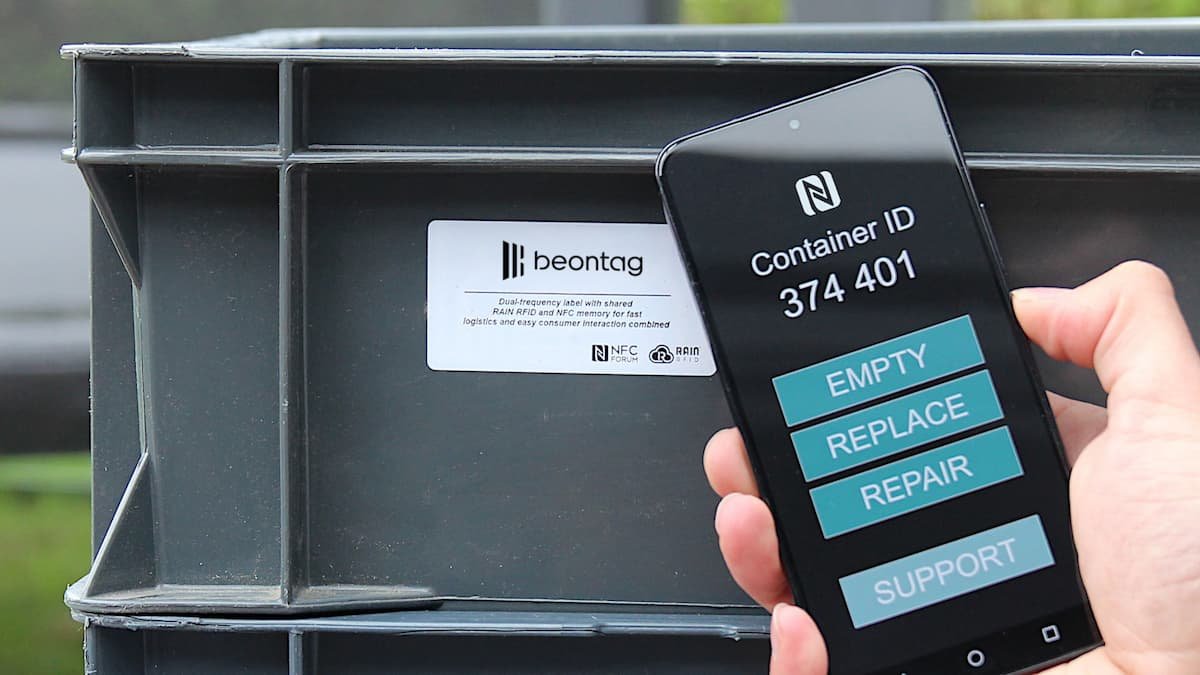
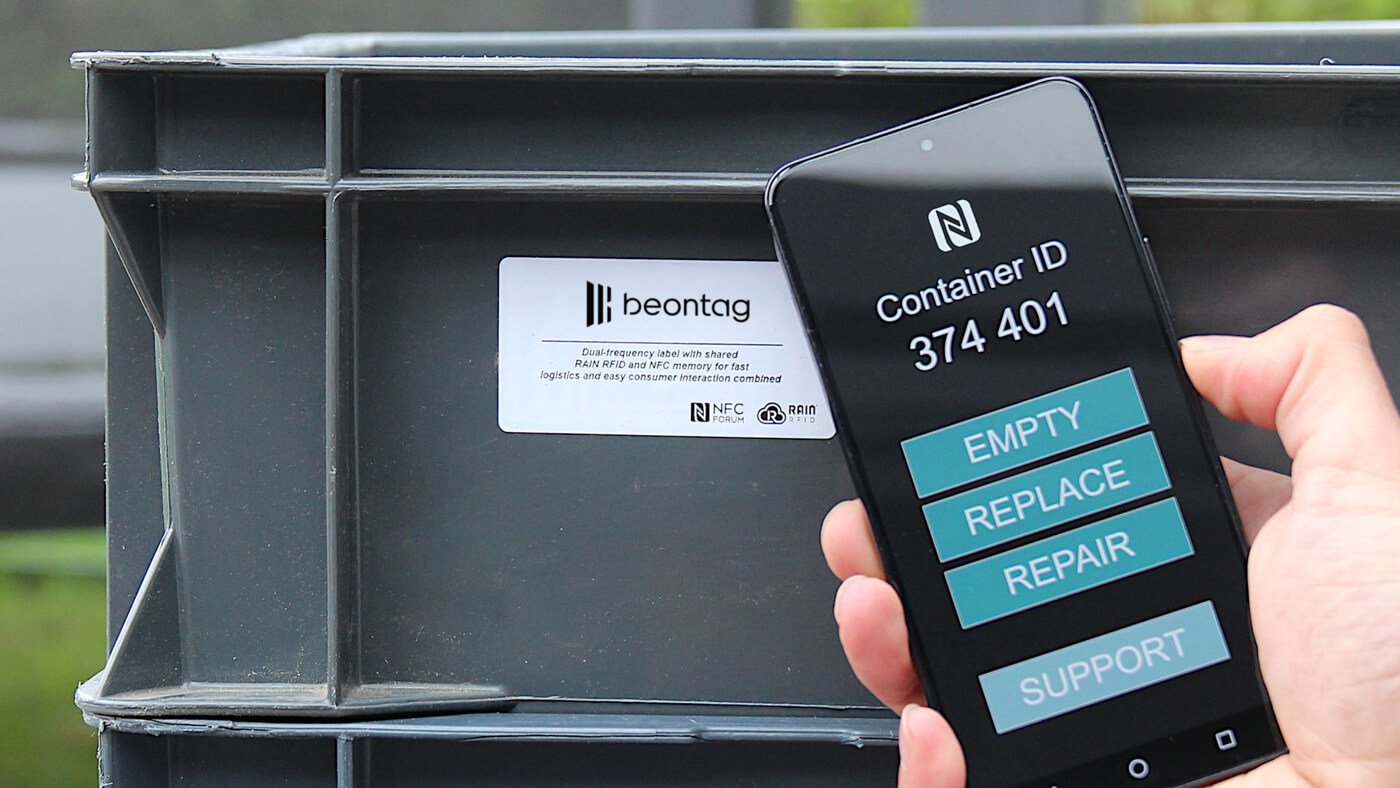
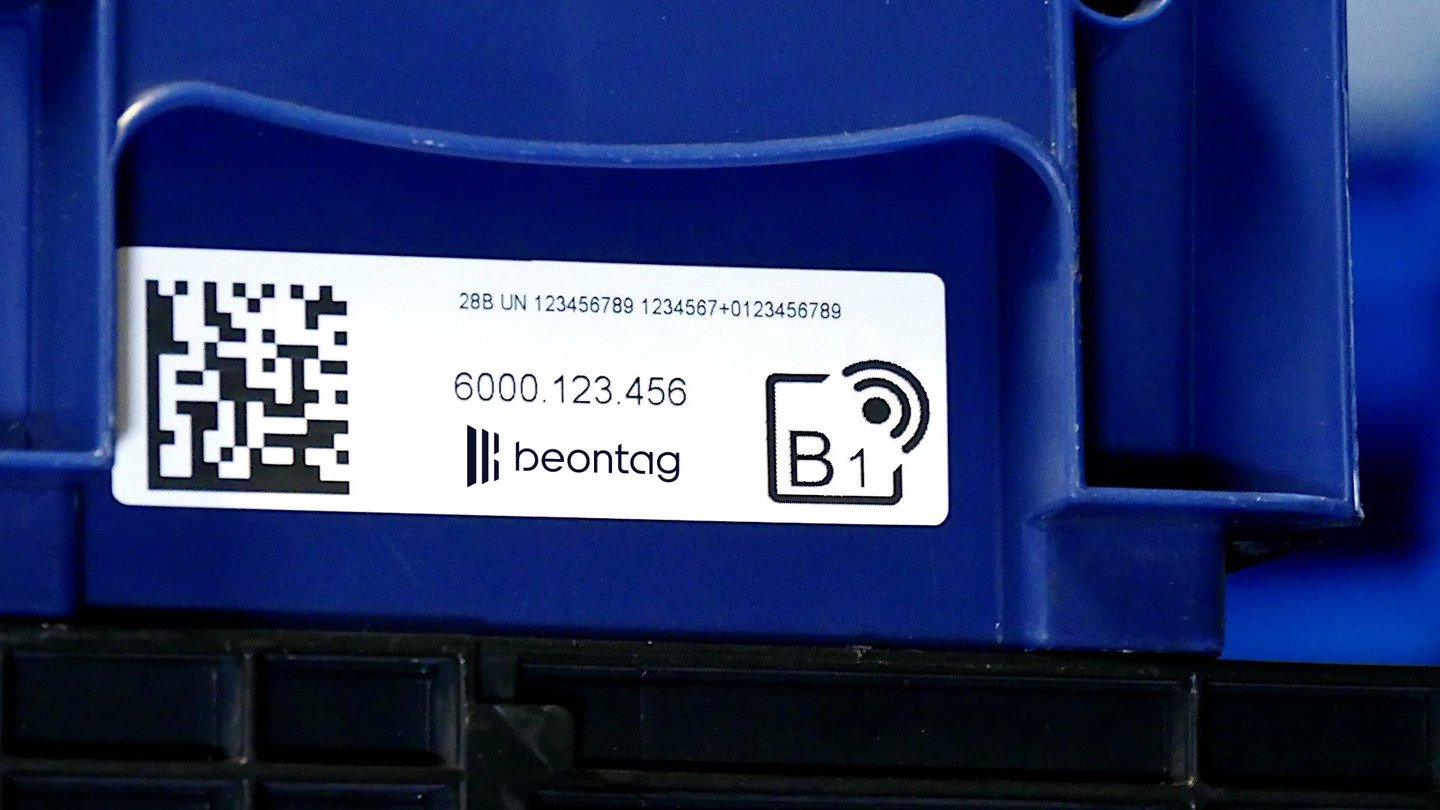
Hybrid identification is an important response to diverse operational needs. Among RFID trends, this approach combines RFID with technologies such as QR codes or sensors, ensuring flexibility across environments and stakeholders.
Hybrid identification allows organizations to adapt to varying cost structures, regulatory requirements, and user interactions. In 2026, this trend will support inclusive and resilient identification strategies, especially in complex supply chains and omnichannel ecosystems.
Standards of interoperability refer to the ability of RFID systems, tags, readers, and software platforms to operate seamlessly across different vendors, regions, and use cases. As RFID trends expand globally, interoperability becomes essential to ensure consistent data exchange, scalability, and long-term system viability without technological lock-in.
Interoperability is becoming a defining factor for successful RFID adoption. RFID trends increasingly emphasize alignment with global standards to ensure compatibility across systems, regions, and partners.
Without interoperability, RFID data remains siloed and underutilized. By 2026, organizations will prioritize solutions that support standardized data models, protocols, and interfaces, enabling seamless collaboration and scalable deployments.
Sustainability traceability is one of the fastest-growing RFID trends. Companies are under pressure to prove environmental responsibility, ethical sourcing, and waste reduction with verifiable data.
RFID enables continuous traceability from raw materials to end-of-life processes. In 2026, sustainability reporting will rely more heavily on automated data capture, positioning RFID as a key enabler of transparent and auditable sustainability initiatives.
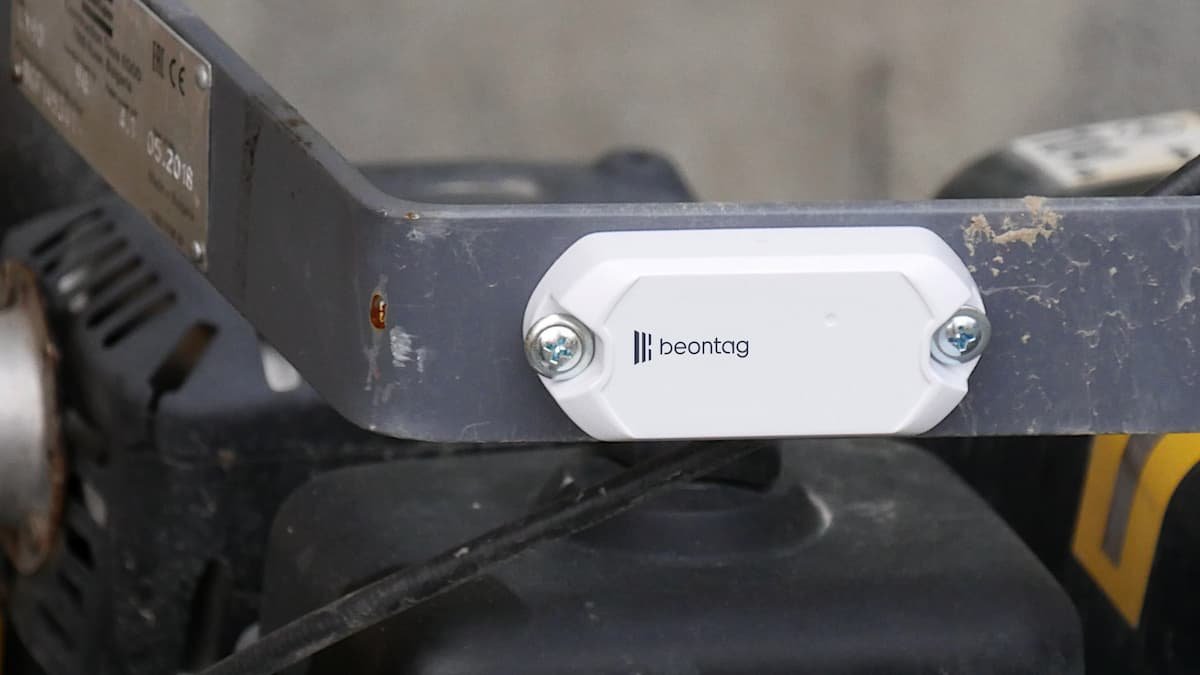
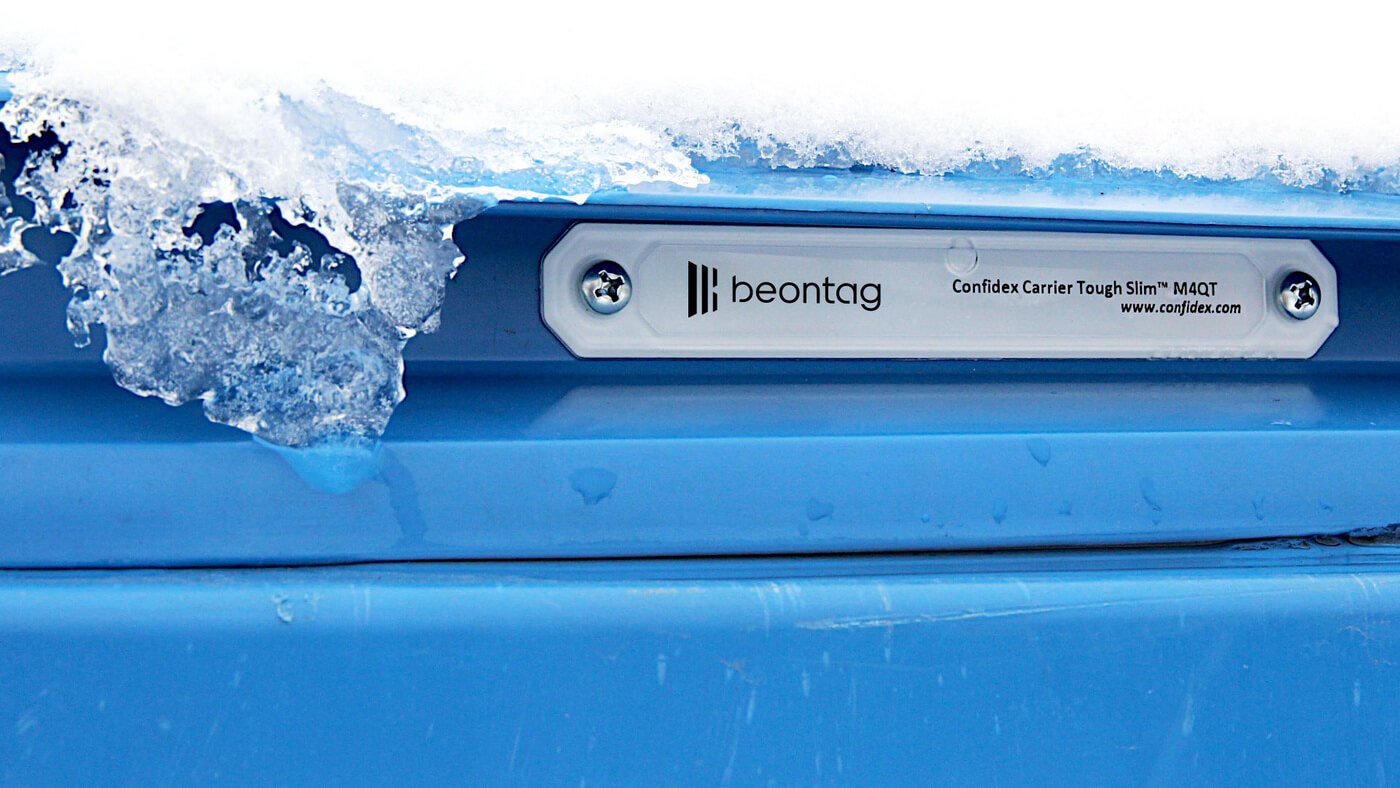
Advances in materials and design are shaping smarter tag engineering as a core RFID trend. Tags are becoming thinner, more durable, and better suited for challenging environments such as metal, liquids, or high temperatures.
These improvements expand RFID applicability across industries previously considered difficult to tag. By 2026, smarter tag engineering will support broader adoption while aligning with sustainability goals through reduced material use and recyclable designs.
Decision intelligence represents the evolution from data collection to actionable insight. Among RFID trends, this shift focuses on transforming raw reads into meaningful business recommendations through analytics and AI.
In 2026, RFID data will increasingly feed predictive models, exception management, and optimization engines. This trend positions RFID not just as an operational tool, but as a strategic data source for continuous improvement.
Item-level RFID is fundamentally reshaping workflows by introducing real-time, automated visibility. These RFID trends reduce manual processes and enable faster, more accurate decisions across retail stores and distribution centers.
By embedding RFID into daily operations, organizations can redesign workflows around continuous data rather than periodic checks. This shift supports agility, reduces errors, and improves customer satisfaction across multiple touchpoints.
The following areas illustrate how item-level RFID is transforming key workflows, highlighting practical impacts already shaping operations and setting expectations for 2026.
Inventory accuracy improves dramatically with item-level RFID, often reaching levels above 95 percent. Continuous scanning reduces reliance on manual counts, minimizing discrepancies between physical and system inventories.
This accuracy supports better planning, fewer stockouts, and reduced safety stock. As RFID trends mature, accurate inventory becomes a baseline requirement rather than a differentiator.
RFID-enabled replenishment is faster and more precise. Real-time inventory data triggers replenishment decisions automatically, ensuring products are available where and when needed.
This reduces overstock and improves sell-through. By 2026, replenishment processes will increasingly depend on RFID-driven signals instead of static forecasts.
“Buy Online” and “Pick Up in Store” workflows benefit significantly from RFID trends. Item-level visibility ensures that promised items are available, reducing order cancellations and customer frustration.
RFID also speeds up order picking within stores. As omnichannel models grow, RFID becomes essential for reliable and scalable BOPIS execution.
Returns handling becomes more efficient with RFID, as items are instantly identified and validated. This reduces processing time and errors while improving inventory reintegration.
In 2026, streamlined returns supported by RFID trends will be critical for maintaining profitability in high-return retail categories.
RFID provides new loss signals by detecting unexpected item movements or discrepancies. While not a replacement for security systems, it adds valuable data for loss prevention strategies.
These insights help organizations identify patterns and address root causes. RFID trends increasingly support proactive loss management rather than reactive investigation.
Cycle counts are recurring inventory checks performed in small, regular batches instead of full physical inventories. They’ll become faster, less disruptive, and more frequent with RFID. Stores and warehouses can perform counts without closing areas or reallocating large labor resources.
Frequent cycle counts improve data freshness and operational confidence. By 2026, RFID-enabled cycle counting will be standard practice in data-driven operations.
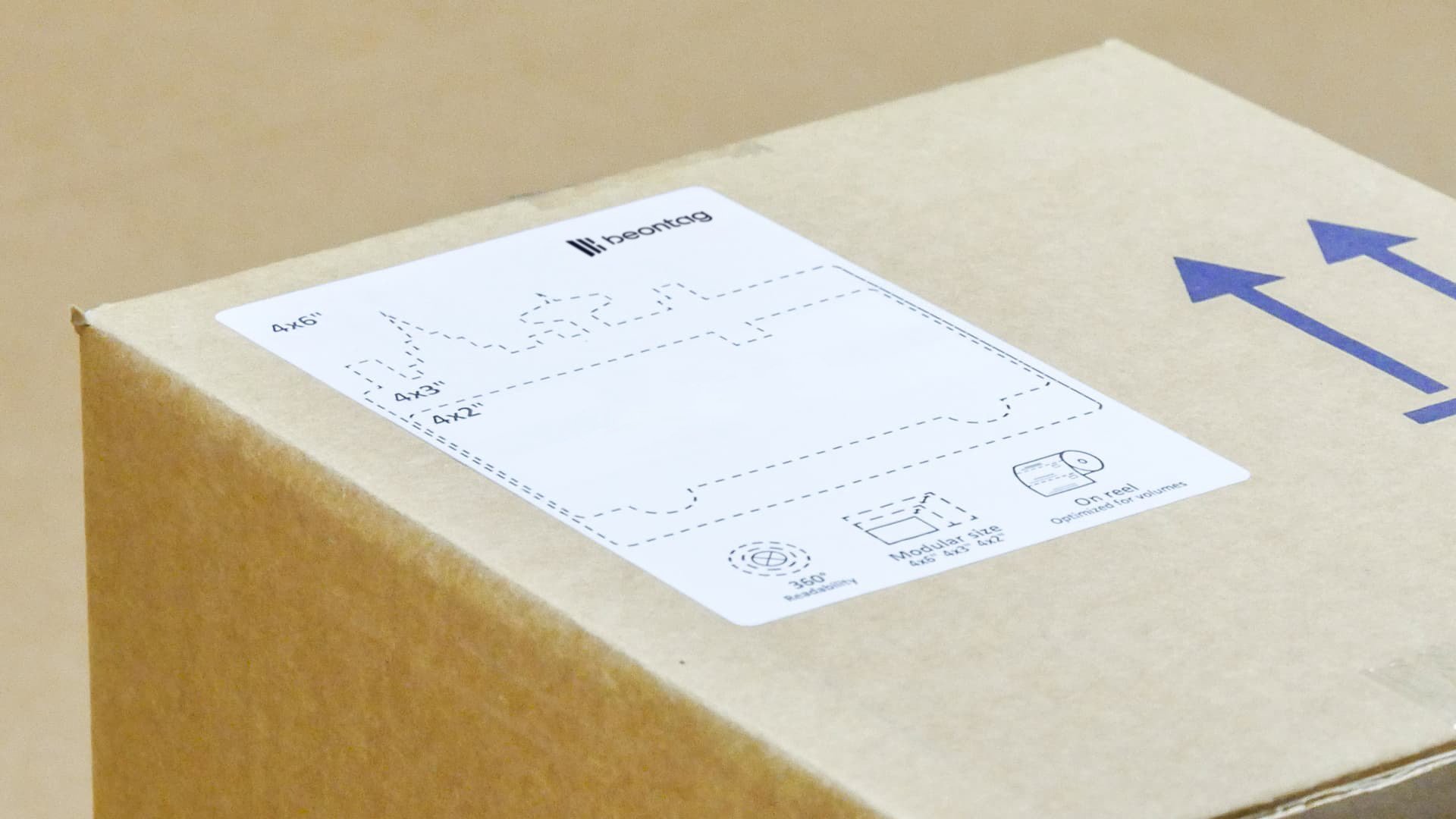
RFID tags are evolving rapidly to meet new performance and sustainability expectations. Among key RFID trends, tag design now balances read reliability, material efficiency, and environmental impact.
Manufacturers, such as Beontag, are investing in innovative substrates, adhesives, and antenna designs and ESG strategies. These changes allow tags to perform consistently across diverse applications while reducing material usage and supporting recyclability.
By 2026, performance and sustainability will no longer be competing priorities. RFID trends point toward tag solutions engineered to deliver high read rates while aligning with circular economy and regulatory requirements.
RFID trends increasingly emphasize the role of data platforms and AI in extracting value from reads. Raw RFID data gains meaning only when contextualized, analyzed, and connected to business processes.
Modern platforms filter noise, detect patterns, and integrate RFID data with other enterprise systems. AI models then transform this data into forecasts, alerts, and recommendations that guide operational decisions.
Organizations leveraging RFID trends in 2026 will effectively focus as much on analytics and intelligence as on hardware. This shift turns RFID into a strategic input for continuous optimization and competitive advantage.
Preparing for 2026 requires a strategic view of RFID rather than isolated projects. Teams should align RFID initiatives with long-term business goals, ensuring scalability and interoperability from the start.
Cross-functional collaboration is essential. Operations, IT, sustainability, and compliance teams must work together to define requirements, standards, and success metrics for RFID adoption.
Organizations should invest in flexible RFID foundations. By choosing adaptable tag solutions and data architectures today, teams can respond more effectively to evolving RFID trends and future operational demands.
As RFID trends reshape retail, industry, and cities, success depends on building reliable foundations at the tag level. High-quality RFID tags are essential for consistent reading, scalability, and long-term performance across diverse applications.
Beontag focuses exclusively on RFID tag and label solutions designed to support these evolving demands. With expertise across industries and use cases, its portfolio aligns with the performance, sustainability, and scalability needs highlighted throughout this article.
To prepare for 2026 and beyond, connect with Beontag to explore our RFID tag portfolio and understand how the right identification foundation can support your strategy.