Self-Adhesive Labels for Pharmaceuticals: Compliance, Safety, and Tracking

Stay up to date, subscribe to our newsletter!
SubscribeSelf-adhesive labels are label constructions that rely on pressure-sensitive adhesives to bond to surfaces without heat, water, or solvents. They consist of multiple layers that enable easy application, strong adhesion, and versatile performance. Check out how PSL works and how to select the right one!


Self-adhesive labels are widely used across industries because they combine simplicity, reliability, and adaptability. From consumer packaging to logistics and industrial identification, they offer consistent performance while supporting high-speed automation and increasingly complex labeling requirements in global markets.
Despite their popularity, many professionals still lack a clear understanding of how self-adhesive labels function at a material level. Misunderstanding their structure or adhesive behavior can lead to performance issues, waste, or compliance challenges that could otherwise be avoided.
Throughout this article we’ll show you how pressure-sensitive labels (PSL) work, how they are manufactured, and how to choose the right construction for specific applications.
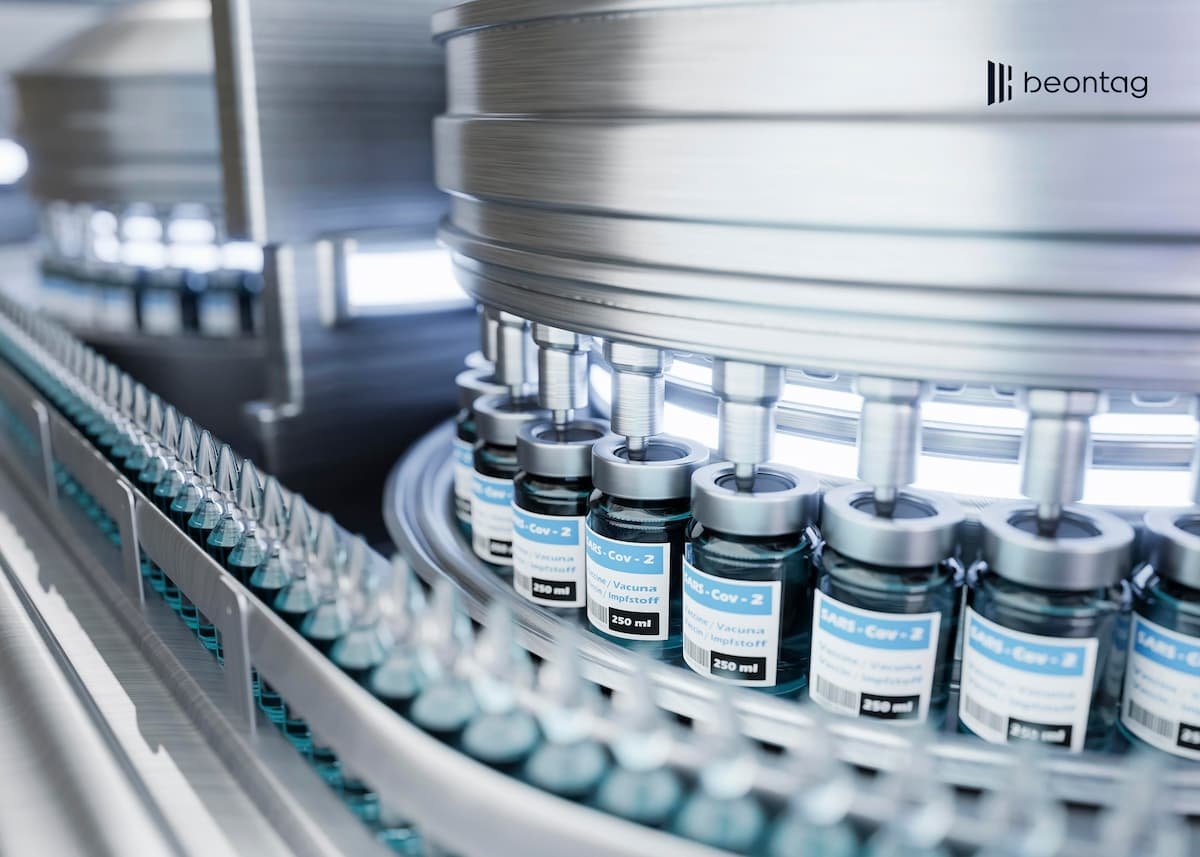
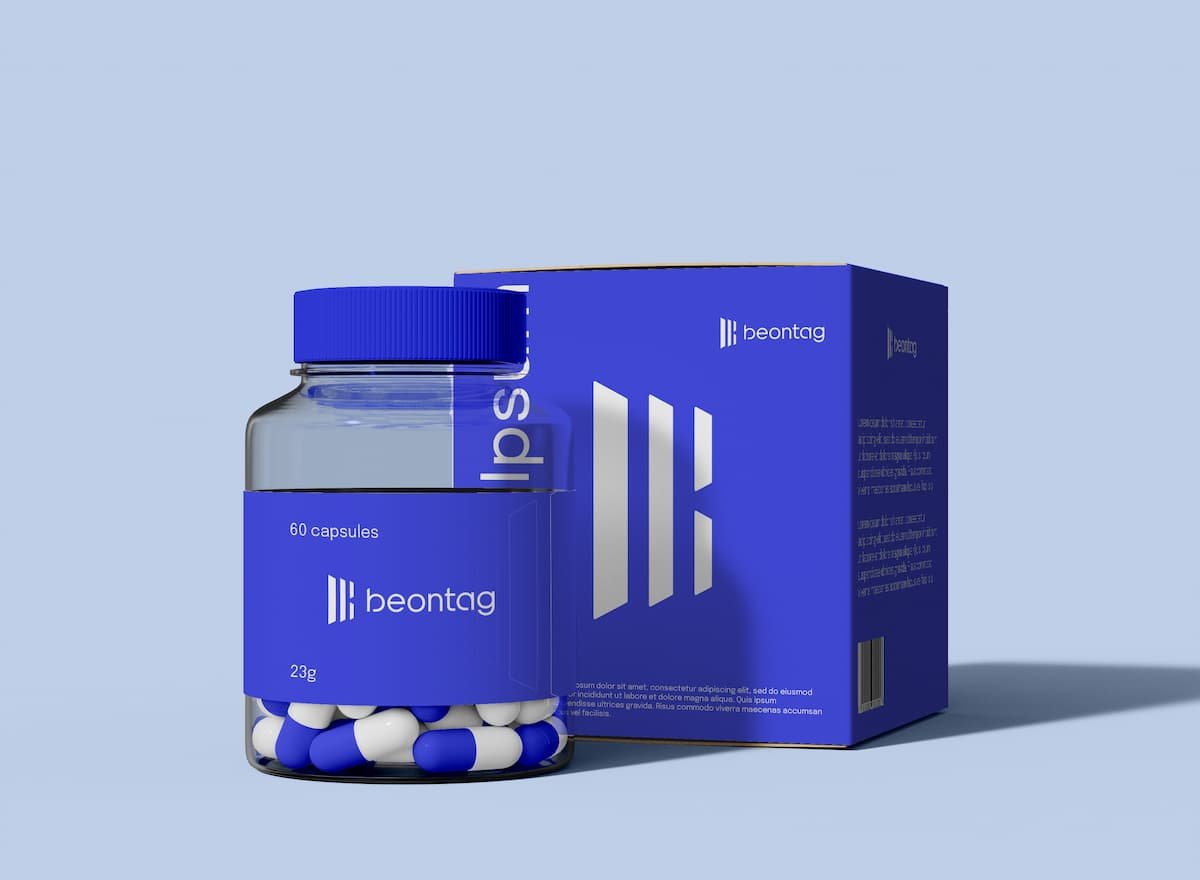
A self-adhesive label is a multilayer label construction that adheres to a surface when light pressure is applied, without requiring activation by heat, water, or solvents. Adhesion is enabled by a pressure-sensitive adhesive that remains tacky and ready to bond under normal application conditions.
Self-adhesive labels are designed for efficiency and flexibility. They are supplied on a release liner, allowing easy handling, printing, converting, and automated application across a wide range of industries and packaging formats.
Because of their structure and ease of use, self-adhesive labels have become the dominant labeling format globally. Understanding their core characteristics helps explain why Pressure-sensitive labels (PSL) continue to replace alternative labeling technologies.
Pressure-sensitive means the adhesive forms a bond through applied pressure alone. When pressed onto a surface, the adhesive flows slightly to create intimate contact, allowing molecular attraction forces to develop without curing or drying.
This property enables immediate adhesion and repositioning flexibility during application. It also supports consistent performance at high production speeds.
The pressure-sensitive mechanism is what differentiates self-adhesive labels from heat-activated or wet-glue systems.
Self-adhesive labels are used in food and beverage packaging, pharmaceuticals, cosmetics, logistics, retail, and industrial identification. Their versatility allows application on glass, plastic, metal, paper, and composite substrates.
They are ideal for both short-run variable data labels and long-run branded applications.
This broad applicability makes Pressure-sensitive labels (PSL) a standard across global supply chains.
Check out all Beontag’s use cases for PSL and other Graphics and Label Materials.
Key advantages include fast application, clean processing, strong adhesion, and compatibility with automation. Self-adhesive labels support complex designs, variable information, and smart identification technologies.
They also allow for precise placement and minimal waste during application.
These benefits explain their continued adoption across diverse labeling environments.
Limitations include sensitivity to surface contamination, extreme temperatures, and improper adhesive selection. Not all self-adhesive labels perform equally across substrates or environments.
Incorrect construction choices may lead to edge lift, flagging, or adhesion failure.
Understanding these limitations highlights the importance of correct material selection and testing.
Self-adhesive labels and pressure-sensitive labels refer to the same labeling technology. The terms are often used interchangeably, although “pressure-sensitive labels” emphasizes the adhesive mechanism rather than the application format.
In technical contexts, pressure-sensitive labels (PSL) describe how adhesion occurs, while self-adhesive labels describe the user-facing experience of easy application without activation.
Both terms define label constructions that rely on PSA adhesive behavior, reinforcing their functional equivalence across industries.
Learn more about PSA solutions in our blog.
The main layers of a self-adhesive label work together to deliver print quality, adhesion performance, and processability. Each layer has a specific function and directly influences how the label performs during application and throughout its service life.
A typical self-adhesive label includes a facestock, adhesive layer, and release liner, often enhanced with additional coatings. Understanding each layer is essential for selecting the correct construction.
Pressure-sensitive labels (PSL) depend on this layered design to balance appearance, durability, and adhesion across diverse applications.
The facestock is the visible top layer of the label and carries printed information. It can be paper, film, or specialty material depending on application needs.
Facestock choice affects appearance, durability, and compatibility with printing technologies. It also influences how the label conforms to surfaces and resists environmental exposure.
See how to choose the right facestock in our blog.
A topcoat is applied to some facestocks to improve print quality, ink adhesion, and resistance to abrasion or chemicals.
It plays a critical role in protecting printed information throughout the label’s lifecycle. Topcoats are especially important for variable data and direct thermal applications.
If you want to learn more about kinds of topcoat, check out our blog.
The adhesive layer bonds the label to the substrate. In self-adhesive labels, this is a pressure-sensitive adhesive formulated for specific performance requirements.
Adhesives vary in chemistry, tack, peel strength, and environmental resistance. Choosing the correct adhesive is central to label performance.
The release liner protects the adhesive before application and enables smooth dispensing during labeling.
It must provide consistent release without tearing or adhesive transfer. Liner selection impacts converting efficiency and application reliability.
A silicone coating on the liner controls release force between the adhesive and liner. This layer ensures stable handling and precise label dispensing at speed. Silicone release is critical for automation and consistent application.
Pressure-sensitive adhesive sticks by forming immediate contact with a surface when pressure is applied. This process relies on viscoelastic behavior, allowing the adhesive to flow and create molecular attraction without curing.
Adhesion is influenced by surface energy, adhesive formulation, and application conditions. These factors work together to determine bond strength and durability.
Understanding how PSA adhesive works explains why Pressure-sensitive labels (PSL) behave differently across substrates and environments.
Surface wet-out occurs when the adhesive spreads across the substrate, filling microscopic irregularities. Good wet-out is essential for strong adhesion. Low-energy surfaces require specialized adhesives to achieve effective wet-out.
Tack refers to the adhesive’s ability to grab quickly upon contact. High tack supports fast application and immediate handling. It is especially important in automated labeling operations.
Peel strength measures resistance to removal once the label is applied. It indicates how securely the label remains attached. Different applications require different peel profiles.
Shear resistance reflects the adhesive’s ability to resist sliding under load. It is critical for labels to be exposed to weight, heat, or vibration. Poor shear can lead to label creep or failure.
Dwell time describes how adhesion increases after application. Many adhesives build strength over hours or days. This behavior affects repositioning and long-term performance.
Self-adhesive labels are manufactured through coating, laminating, printing, and converting processes that transform raw materials into finished label rolls. Each step must be carefully controlled to ensure consistent quality and performance.
Manufacturing begins with adhesive coating and lamination, followed by printing and precision converting. These steps enable scalability and customization.
Understanding this process helps explain how Pressure-sensitive labels (PSL) achieve reliability at industrial volumes.
Adhesive is coated onto the liner or facestock and laminated into a composite structure. Uniform coating ensures consistent adhesion performance. Lamination bonds layers without compromising release behavior.
Labels are printed using flexographic, digital, offset, or thermal processes. Print method selection depends on volume, design, and data variability. Compatibility with facestock and topcoat is essential.
Die-cutting shapes individual labels within the web. Precision prevents edge lift and dispensing issues. Tooling accuracy directly impacts application performance.
Matrix removal eliminates excess material around labels. Clean removal ensures smooth dispensing. Poor matrix stripping can cause jams or waste.
Slitting divides wide webs into narrower rolls. Rewinding prepares labels for application equipment. Consistent tension is critical for roll quality.
Roll size and core dimensions affect handling and automation. Form factors must match application equipment. Correct configuration improves efficiency and uptime.
Pressure-sensitive adhesives used in self-adhesive labels vary by chemistry and performance profile. Each type is designed for specific substrates, environments, and service requirements.
Selecting the correct adhesive type ensures durability, compliance, and application efficiency.
The table below summarizes common adhesive options used in Pressure-sensitive labels (PSL).
| Adhesive type | Typical use | Key characteristics |
| Acrylic | Long-term labels | UV resistance, durability |
| Rubber | Short-term use | High initial tack |
| Hot-melt | High-speed lines | Fast set, productivity |
| Removable systems | Temporary labels | Clean removal |
| Specialty chemistries | Extreme conditions | Chemical or temperature resistance |
Choosing the right self-adhesive label construction means aligning substrate, environment, and application method with the correct materials. Each decision affects performance, cost, and reliability.
A structured evaluation prevents overengineering or underperformance. It also supports consistency across product lines.
Pressure-sensitive labels (PSL) perform best when construction choices reflect real-world conditions.
Label failures usually occur when label construction, adhesive performance, and real application conditions are not fully aligned. Understanding why failures happen is essential to selecting the correct materials and avoiding recurring issues that affect appearance, functionality, and operational efficiency throughout the label’s service life.
Many failures are not immediately visible at application but develop over time due to environmental exposure, handling, or substrate interaction. Pressure-sensitive labels require balanced adhesion, cohesion, and flexibility to perform consistently across diverse conditions and use cases.
Check out some of the most common label failures observed in self-adhesive labels, along with their typical causes and practical ways to address them through improved material selection and application control.
Edge lift occurs when the edges of a label begin to detach from the substrate, often due to insufficient adhesive wet-out or low surface energy materials. It is commonly exacerbated by dust, moisture, or textured surfaces. Selecting an adhesive with improved flow and ensuring proper surface preparation typically resolves this issue.
Bubbles form when air becomes trapped between the label and the substrate during application, usually caused by poor adhesive wet-out or insufficient application pressure. Smooth substrates and correct application angles help reduce this risk. Adhesives with appropriate viscoelastic properties improve air release and ensure uniform surface contact.
Flagging happens when labels lift or straighten on curved or cylindrical surfaces, especially on small diameters. This failure is often linked to low shear resistance or overly stiff facestocks. Increasing adhesive cohesion and using more conformable materials helps maintain label contact and prevents lifting during handling and storage.
Ooze refers to adhesive migrating beyond the label edges, creating a sticky residue. It typically occurs under heat, pressure, or excessive adhesive coat weight. Choosing an adhesive with higher internal cohesion and optimizing formulation for temperature exposure reduces the likelihood of ooze during application and throughout the label’s lifecycle.
Curl is caused by imbalance between the facestock, adhesive, and liner, often influenced by humidity or temperature changes. It can interfere with dispensing and application accuracy. Proper material matching and moisture-resistant constructions help stabilize the label structure and minimize dimensional distortion over time.
Poor release occurs when labels do not separate cleanly from the liner, leading to dispensing issues or adhesive transfer. This is usually related to silicone release coating mismatches or incompatible adhesive-liner combinations. Adjusting release force and ensuring material compatibility improves application reliability, especially at high speeds.
Self-adhesive labels differ from wet-glue labels in application, flexibility, and performance. Each system has advantages depending on use case.
Understanding differences helps determine best fit. Below are key comparison points.
Testing and compliance are critical to ensuring that self-adhesive labels perform reliably across real-world conditions and meet regulatory expectations. Beyond basic adhesion, pressure-sensitive labels must be validated for durability, safety, and consistency, especially when used in regulated or high-risk applications such as food, logistics, and healthcare.
Proper testing helps identify potential failures before labels reach the market. It also supports material selection decisions, reduces operational risk, and provides documented evidence of performance. Compliance considerations ensure that label materials align with regional regulations, customer requirements, and industry standards.
Peel and tack tests evaluate how quickly and how strongly a label adheres to a surface. Tack measures initial grab at application, while peel strength indicates resistance to removal over time. These tests help determine whether the adhesive matches application speed, substrate energy, and handling requirements across different use conditions.
Shear testing measures an adhesive’s ability to resist sliding or creeping under sustained load. This is especially important for labels exposed to heat, vertical orientation, or long service life. Poor shear performance can lead to gradual label movement or failure, even when initial adhesion appears acceptable.
Environmental conditioning exposes labels to controlled temperature, humidity, and aging cycles to simulate real-world conditions. These tests reveal how adhesives respond to cold, heat, moisture, and thermal shock. Conditioning helps predict long-term performance and identify risks related to storage, transport, and end use.
For food and beverage applications, adhesives and label materials must comply with food contact regulations and migration limits. Even indirect contact requires careful material evaluation. Documentation and supplier declarations help ensure adhesives meet applicable standards while maintaining performance throughout the product’s shelf life.
A complete documentation trail supports compliance, traceability, and quality assurance. Technical datasheets, test reports, and regulatory statements provide transparency and confidence for customers and auditors. Strong documentation also simplifies approvals, supports global distribution, and reduces risk when labeling requirements evolve.
As self-adhesive labels continue to evolve, material expertise becomes increasingly important. Pressure-sensitive adhesives play a central role in enabling performance, efficiency, and sustainability across labeling applications.
Beontag supports this evolution through advanced adhesive material solutions designed to meet diverse labeling challenges. Contact our team and explore out full portfolio for Graphic and Label Materials for reliable, future-ready self-adhesive labels.