


What Is an RFID Chip? Learn How It Works and How It Differs from RFID Tags and Labels

Subscribe to our newsletter!Stay up to date, subscribe to our newsletter!
SubscribeCoated paper offers smooth, vibrant finishes while uncoated paper provides a natural, writable texture. Each serves unique purposes in labeling. Read this article to explore their differences.


When businesses choose paper for labels, the decision goes far beyond aesthetics. Paper quality can directly influence how products are perceived on the shelf, how information is displayed, and even how long the label lasts. Understanding the nuances of coated vs uncoated paper is crucial for making informed branding decisions.
Many brands struggle when deciding between coated and uncoated paper. The problem often lies in balancing visual appeal, cost efficiency, and durability. While coated paper enhances colors and images, uncoated paper offers a tactile, natural feel. Without proper guidance, companies risk mismatched labels that fail to meet both functional and branding needs.
This article explores the differences between coated vs uncoated paper and highlights how Beontag empowers brands to make smarter choices with innovative labeling solutions. Keep reading to discover how to elevate your labels.
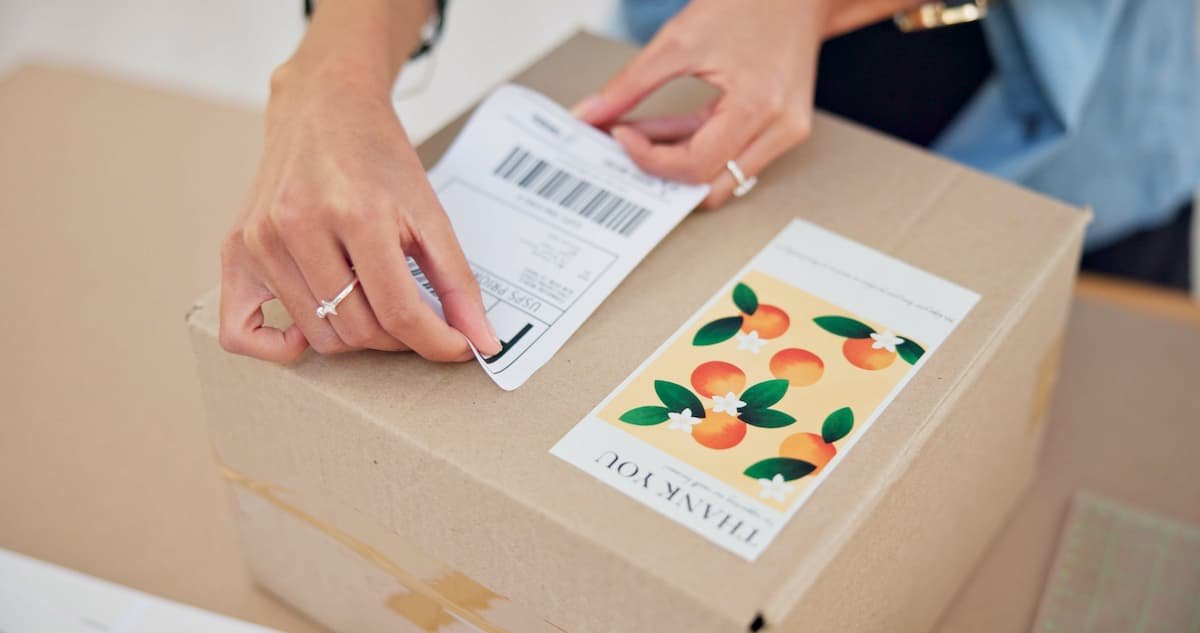
Coated paper is produced by applying a mineral or polymer coating on the surface, resulting in a smoother finish. This coating improves opacity, reduces ink absorption, and creates sharper image reproduction. Businesses often prefer coated paper when visual appeal is a top priority, especially for labels where product design and clarity play critical roles in customer attraction.
When considering coated vs uncoated paper, coated options are ideal for brands seeking high-quality graphics. Coated paper is widely used in premium packaging, food labels, and promotional stickers. Its ability to make colors pop ensures consistency and professionalism. However, while its finish elevates visual impact, it may limit flexibility in applications requiring extensive writing or handwriting surfaces.
A significant advantage of coated paper is its adaptability across gloss, matte, and satin finishes. This variety gives brands the freedom to align label textures with their design identity. Whether aiming for a luxurious glossy appearance or a subtle matte finish, coated paper delivers impactful choices that enhance product presentation and shelf appeal.
Uncoated paper lacks the additional surface layer found in coated varieties, leaving it with a more porous and natural texture. Its surface allows for greater ink absorption, resulting in softer lines and muted colors. This organic look makes uncoated paper highly valued in industries emphasizing authenticity, simplicity, or eco-conscious branding.
When exploring coated vs uncoated paper, uncoated options shine in practical applications. Their rougher texture allows for easy writing, stamping, or manual customization. Brands in sectors such as logistics, healthcare, or artisanal goods often choose uncoated labels because they can be both functional and personal, ensuring labels remain versatile in real-world conditions.
Another key characteristic of uncoated paper is its tactile quality. The natural touch of uncoated surfaces creates a more personal connection with consumers, often evoking trust and sincerity. Combined with its wide availability in recycled variations, uncoated paper represents an attractive choice for businesses prioritizing sustainability and authenticity.
Check out all Beontag’s Release Liners available for Graphics and Labels.
When evaluating label materials, understanding the contrasts between coated vs uncoated paper is essential. Each option influences how designs appear, how durable the label is, and how customers interact with the product. Below, we explore the main differences across image quality, texture, durability, and cost.
Coated paper enhances image sharpness and vibrancy by preventing ink from spreading. This feature makes it ideal for detailed graphics or photographic labels.
In contrast, uncoated paper absorbs more ink, softening edges and colors. While less vivid, this subdued effect can appeal to brands aiming for minimalism or a handcrafted aesthetic.
The texture of coated paper is smooth and polished, aligning well with luxury products. Uncoated paper, however, maintains a tactile, natural feel that creates stronger sensory connections. The difference between coated vs uncoated paper often comes down to whether a brand values sleek professionalism or an authentic, organic presentation.
Coated paper generally offers greater resistance to moisture, dirt, and wear, making it suitable for products that undergo handling or storage challenges.
Uncoated paper, while less resistant, can still perform effectively in controlled environments. Brands must weigh durability needs when deciding between these two paper types for their labels.
From a financial perspective, coated paper can be more expensive due to additional processing. However, its ability to elevate brand visuals may justify the investment.
Uncoated paper is usually more cost-effective, but it may not deliver the same striking visuals. Evaluating coated vs uncoated paper means balancing aesthetics, performance, and budget priorities.
| Aspect | Coated Paper | Uncoated Paper |
| Image Quality | Sharp, vibrant colors | Softer, muted tones |
| Texture | Smooth, polished surface | Natural, tactile feel |
| Durability | More resistant to wear and moisture | Less resistant, more porous |
| Cost | Generally higher | Typically more affordable |
| Writing Compatibility | Not ideal for handwriting | Easy to write or stamp |
See all applications for Beontag’s Graphic and Labels solutions.
Coated paper is the right choice when label design demands vivid imagery and refined finishes. Industries like cosmetics, beverages, and technology often rely on coated labels to showcase premium branding. Its ability to hold fine details ensures logos, barcodes, and product information appear crisp and professional, reinforcing brand perception.
What is coated paper used for? It excels in applications requiring durability and aesthetics combined. High-end packaging, promotional labels, and products exposed to frequent handling benefit significantly. However, one disadvantage of coated paper is its reduced ability to absorb writing or additional inks, limiting adaptability in dynamic or customizable contexts.
Businesses that prioritize visual impact and brand differentiation should consider coated options. By choosing coated paper, companies demonstrate a commitment to quality and sophistication. Partnering with Beontag enables brands to access innovative coated solutions tailored to their specific product and market demands, ensuring optimal results across labeling needs.
Uncoated paper is ideal when functionality and authenticity take precedence over vibrant color reproduction. It works particularly well for logistics labels, pharmaceutical products, and artisanal goods where practical considerations matter most. Its porous texture allows for reliable writing, scanning, or manual updates, offering flexibility that coated labels may lack.
When examining coated vs uncoated paper, uncoated options deliver a natural, sustainable image. This makes them suitable for brands promoting eco-friendly values or artisanal craftsmanship. The organic look of uncoated labels resonates with consumers seeking authenticity, aligning with trends favoring transparent and responsible business practices.
Cost-conscious companies often turn to uncoated paper for its affordability. While it may not offer the polished appeal of coated alternatives, it provides a balance of functionality and sustainability. Beontag helps brands maximize these advantages by supplying advanced uncoated solutions designed for performance and responsible production.
Come see Beontag’s case studies using its Graphics and Labels solutions.
Sustainability plays an increasing role in packaging and label decisions. Uncoated paper typically has a smaller environmental footprint due to fewer processing steps and easier recyclability. Many uncoated varieties are made from recycled fibers, appealing to businesses pursuing circular economy strategies. This makes uncoated paper a strong contender for eco-minded companies.
Coated paper, while offering superior visual benefits, may involve additional chemicals and coatings that complicate recycling. However, advancements in production methods are helping reduce its environmental impact. Forward-thinking suppliers such as Beontag are investing in sustainable coated solutions, balancing performance with responsibility.
Ultimately, the choice between coated vs uncoated paper must consider environmental goals alongside branding needs. Companies that partner with suppliers committed to innovation and eco-friendly practices gain access to materials that support both performance and sustainability. This ensures labels not only look great but also align with broader responsibility commitments.
Choosing between coated and uncoated paper is not just a technical decision — it’s a strategic one. The right choice reflects a brand’s identity, functional needs, and sustainability goals. With our expertise, innovation, and diverse portfolio of label solutions, businesses can find options perfectly suited to their industry.
Combining global reach with responsible practices, we ensure brands achieve durability, visual appeal, and eco-friendly performance without compromise. Explore the full range of coated and uncoated label materials and discover the ideal fit for your products. Visit our catalog and contact us now for personalized solutions.