How to Choose the Right Pressure-Sensitive Adhesive for Your Label Printing

Stay up to date, subscribe to our newsletter!
SubscribeThe three main types of self-adhesive labels are paper, film, and hybrid. Paper offers versatility and cost-efficiency, film delivers durability and premium looks, and hybrid materials combine both to balance printability with enhanced resistance. See more details.


Choosing the right materials is essential when evaluating the types of self-adhesive labels used across industries. Every construction influence print quality, durability, sustainability, and brand perception. Understanding these fundamentals helps businesses make informed decisions while guaranteeing consistent performance and compliance across their operations.
However, labeling challenges continue to evolve. Brand owners face issues ranging from moisture exposure to cold-chain demands, recyclability goals, low-surface-energy plastics, abrasion risks, and increasingly complex branding aesthetics. These challenges require materials that are engineered to ensure a secure and legible label throughout their lifecycle.
By selecting the correct construction among the types of self-adhesive labels, companies strengthen reliability, consumer trust, and operational efficiency. Continue reading to explore and discover why choosing advanced materials from suppliers like Beontag can significantly elevate results.
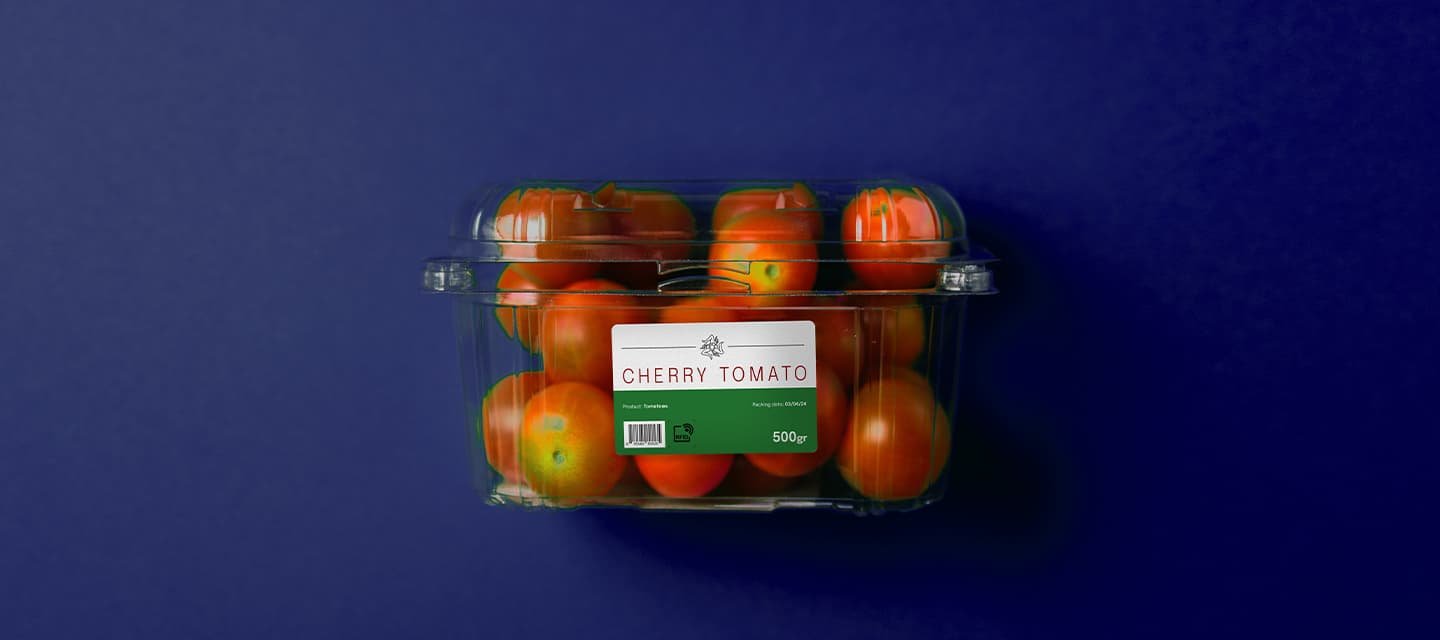
Self-adhesive labels are multi-layer constructions designed to bond to surfaces using applied pressure alone. They eliminate the need for water, heat, or solvents and adapt to countless applications. They are made from a facestock, an adhesive layer, a silicon, and a release liner, each contributing performance across environments and substrates.
These labels are highly flexible and support various converting techniques, including flexography, digital printing, and embellishments. This makes them particularly valuable for manufacturers seeking speed and versatility. By understanding the types of self-adhesive labels, businesses can improve application efficiency, enhance durability, and optimize appearance across packaging formats in both consumer and industrial sectors.
As industries shift toward automation, traceability, and premium aesthetics, pressure-sensitive solutions have become a standard for labeling. Their reliability and simplicity support seamless integration across labeling equipment, ensuring consistent quality and reduced waste, which is essential for modern packaging operations.
Learn more about Pressure-Sensitive Adhesives and more on Beontag’s blog:
Paper or BOPP Labels? Key Differences and How to Choose the Right One
Pressure-Sensitive or Glue-Applied Labels: Which Is Right for Your Product?
Selecting the ideal material among the various types of self-adhesive labels is essential for ensuring performance, visual consistency, and long-term reliability. Each label’s behavior depends directly on the chosen facestock. Understanding these differences helps brands match the material to the environment, surface, and final design intent.
Contact us to know more about Beontag’s solutions for self-adhesives.
Paper constructions remain one of the most widespread types of self-adhesive labels, known for their affordability, printability, and natural appearance. They adapt to many applications, including logistics, retail, food, and promotional products. Paper grades vary widely, ranging from coated and uncoated options to premium textured papers used in high-end labeling.
Paper labels typically include cellulose-based facestock combined with a pressure-sensitive adhesive optimized for the intended surface. The composition may feature coatings that improve print quality or resistance. Many specialty papers incorporate stronger fibers to reinforce durability or achieve specific tactile effects, supporting both commercial and premium branding.
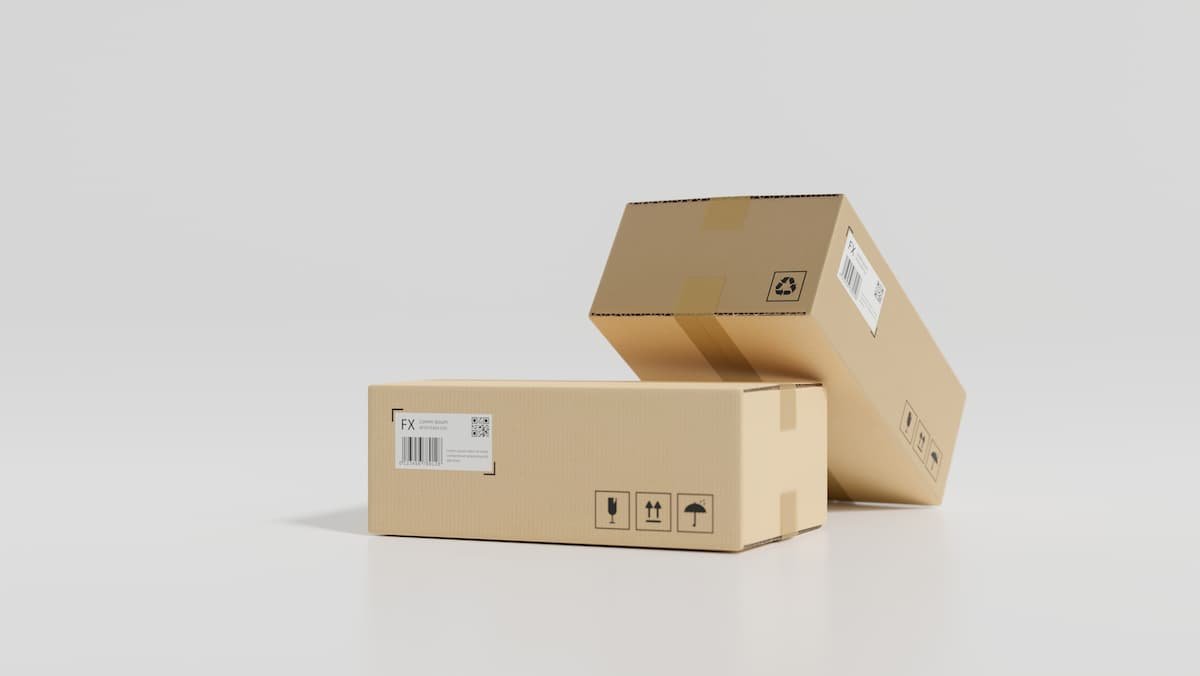
Paper materials suit indoor and dry environments where resistance demands are moderate. They are frequently used for barcodes, shipping labels, decorative labels, product descriptions, and price tags. Their compatibility with high-speed printing and various embellishments makes them ideal for industries seeking efficiency without sacrificing design versatility or sustainability.
Paper labels offer excellent printability, cost-effectiveness, and sustainability benefits. They are easy to convert and suit a wide range of branding styles. Many options are recyclable or made with responsibly sourced fibers. Their adaptability and natural texture make them attractive for brands aiming to communicate simplicity, authenticity, or eco-conscious values.
Paper’s primary limitations involve moisture, friction, and chemical exposure. These labels can absorb humidity and lose strength in harsh environments. They are not recommended for long-term outdoor use, refrigeration, or applications requiring high tear resistance. When durability is essential, film or hybrid constructions provide superior performance.
Film materials bring high durability and premium appearance to the types of self-adhesive labels. They maintain integrity in wet, cold, or abrasive environments, making them essential for cosmetics, beverages, home care, and industrial uses. Their resistance and clarity support modern aesthetic trends such as “no-label look” packaging.
PP offers excellent rigidity, clarity, and chemical resistance. It is ideal for general-purpose labeling and provides a sleek, premium finish. Its dimensional stability enhances performance on automatic lines. PP films are available in white, clear, and metallic formats, ensuring visual adaptability across different packaging styles and brand identities.
PE films stand out for flexibility and conformability. They work well on squeezable containers, tubes, and curved surfaces where other materials crease or split. PE is resistant to moisture and tearing, supporting applications in home care, personal care, and food packaging. Its soft structure helps maintain label integrity during repeated handling or deformation.
PET provides the highest durability among common film options. It withstands extreme temperature, abrasion, and chemical exposure, making it suitable for industrial labeling, durable goods, and safety instructions. PET also offers exceptional clarity, aiding premium aesthetics. Its tensile strength supports demanding workflows that require long-lasting, secure adhesion.
Film labels resist moisture, tearing, and chemicals, outperforming paper in harsh conditions. Their sleek appearance enhances branding, and clear films enable sophisticated “no-label look” designs. Films are compatible with multiple printing technologies and maintain dimensional stability, assisting automated processes and reducing downtime in high-volume production lines.
Films generally cost more than paper and may require specific adhesives to ensure compatibility with certain plastics. They are less suited for brands aiming for a natural or texture aesthetic. In some cases, recyclability depends on local infrastructure and substrate combinations. These constraints highlight the value of thoughtful material selection.
Hybrid materials blend layers of paper and film, balancing durability with printability. They are engineered for applications requiring the visual qualities of paper but added moisture or tear resistance. These constructions are ideal transitional solutions for brands seeking improved performance without adopting full-film labels.
Hybrid structures enhance stiffness, reduce curling, and improve overall strength. They can be optimized for cold-chain, moisture-prone environments, or premium labeling that benefits from extra reinforcement. Their versatility makes them valuable for packaging that needs to endure handling while maintaining an elegant, paper-like finish.
These hybrid options also help bridge sustainability demands. They may reduce overall material usage or weight compared to thick film labels while supporting durability requirements. This balance makes them appealing for industries seeking responsible yet high-performance alternatives within the range of modern types of self-adhesive labels.
Understanding the many types of self-adhesive labels is only the first step. Selecting the ideal construction requires expertise, testing, and trusted materials engineered for precision. Beontag delivers advanced pressure-sensitive adhesives to build the ideal solution to improve performance, sustainability, and visual impact across global industries.
As a leading materials provider, we focus solely on self-adhesive technology, ensuring reliable bonding, efficient converting, and consistent quality. Whether your priority is durability, premium aesthetics, sustainability, or application versatility, Beontag offers engineered options optimized for the most demanding surfaces and environments.
Explore Beontag’s portfolio and talk to our specialists to know more about our personalized solutions.