




What Is an RFID Chip? Learn How It Works and How It Differs from RFID Tags and Labels

Subscribe to our newsletter!Stay up to date, subscribe to our newsletter!
SubscribeBLE Tag vs RFID Tag: each has unique strengths in asset tracking, supply chain management, and IoT applications. Learn the key differences, advantages, and use cases to decide which technology better fits your business needs.


In today’s connected world, organizations rely heavily on accurate asset tracking and efficient data management.
Wireless identification systems like RFID and BLE have become critical tools, each offering distinct benefits in range, cost, and real-time performance.
But deciding between them requires a clear understanding of their differences and applications.
The challenge lies in identifying which technology best matches your operational priorities.
RFID technology has a long-standing reputation for affordability and scalability, while BLE technology offers extended range and seamless integration with mobile devices. Companies often struggle to choose between stability and modern IoT connectivity.
The solution is not one-size-fits-all. By comparing BLE Tag vs RFID Tag closely, businesses can align technology with specific goals.
Keep reading to uncover detailed insights, real-world use cases, and future trends that will help you make the right decision.
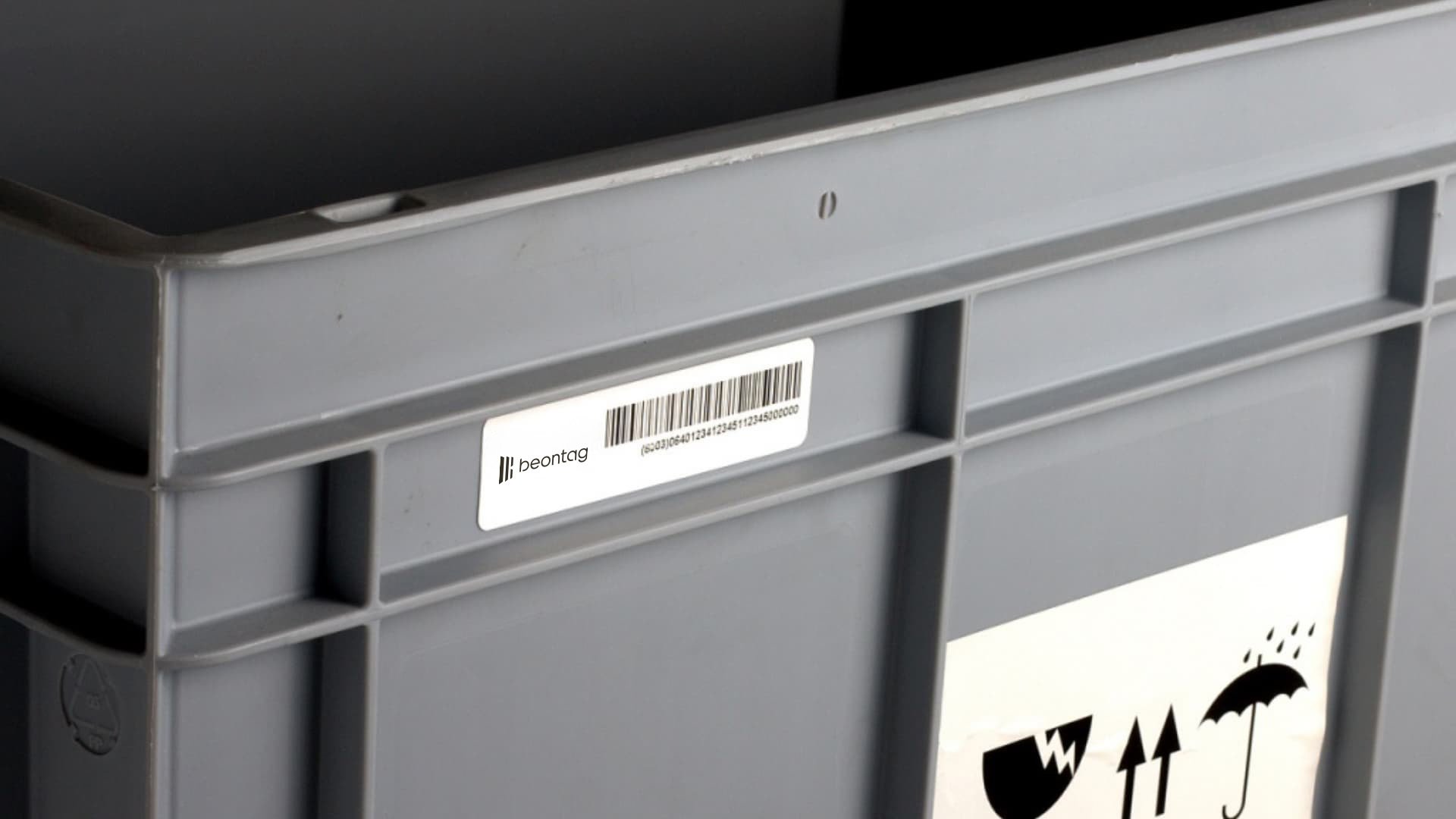
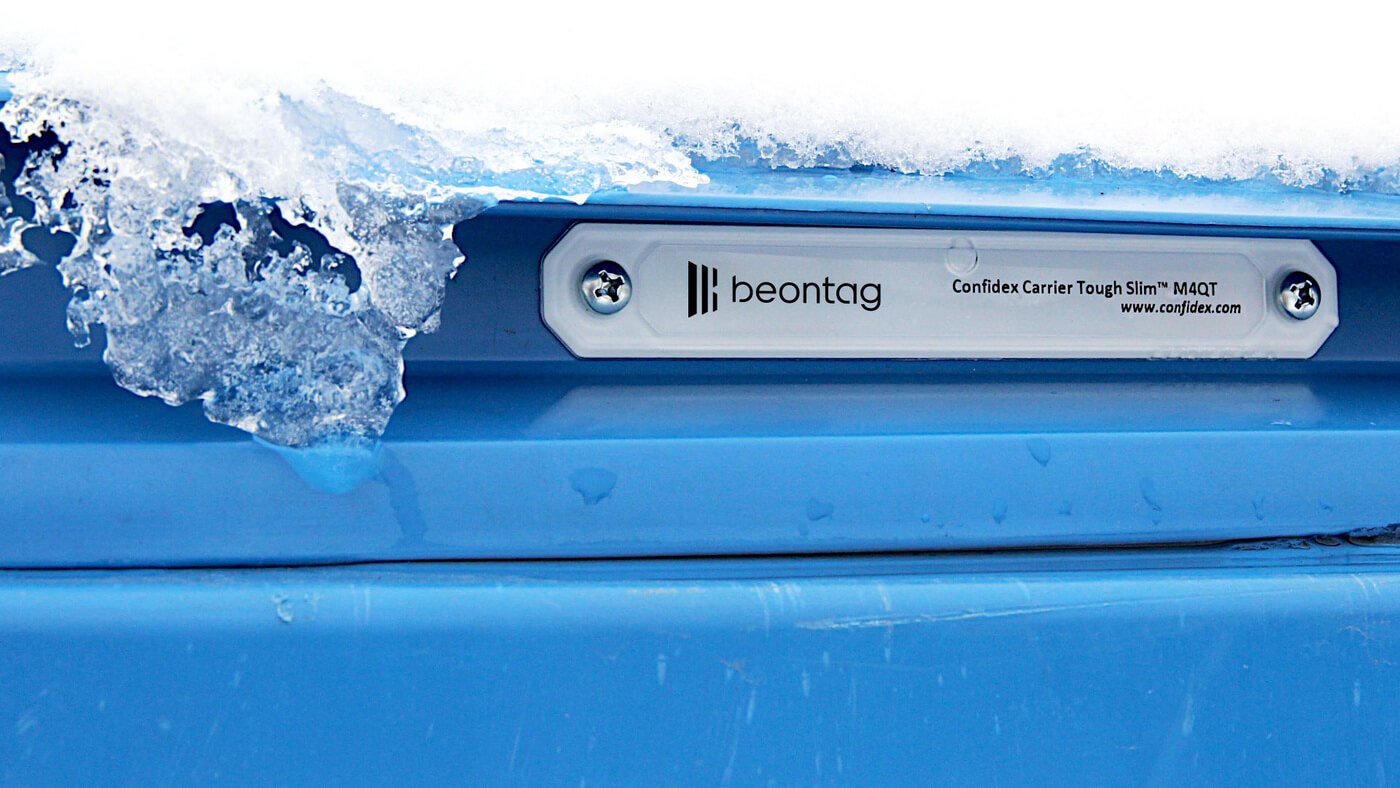
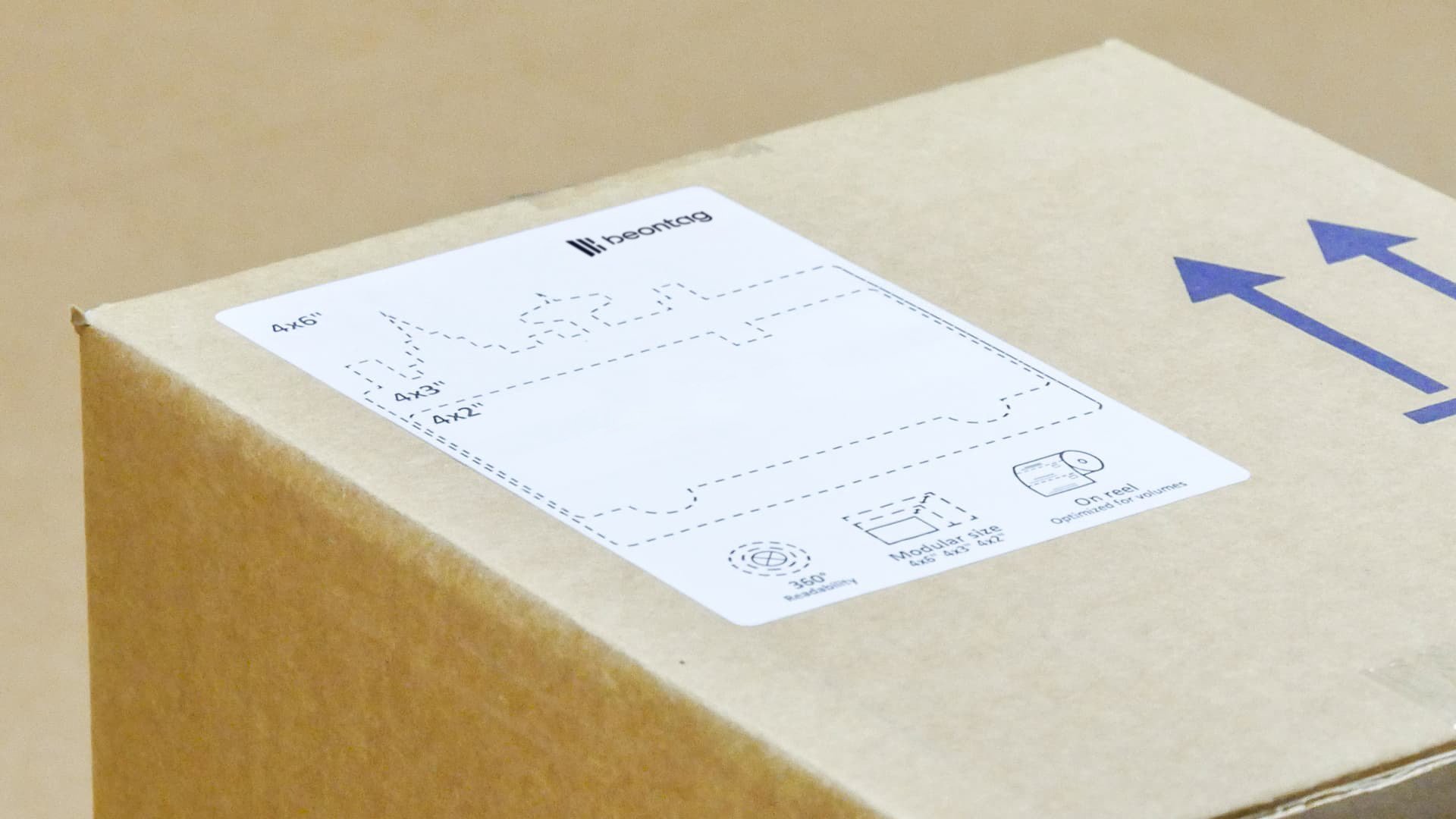
Radio Frequency Identification (RFID) technology has been used for decades to track assets, manage inventories, and improve operational efficiency.
At its core, RFID technology uses electromagnetic fields to identify and monitor tagged objects.
The system includes tags, antennas, and readers that capture and transmit data quickly and reliably.
There are two types of RFID tags:
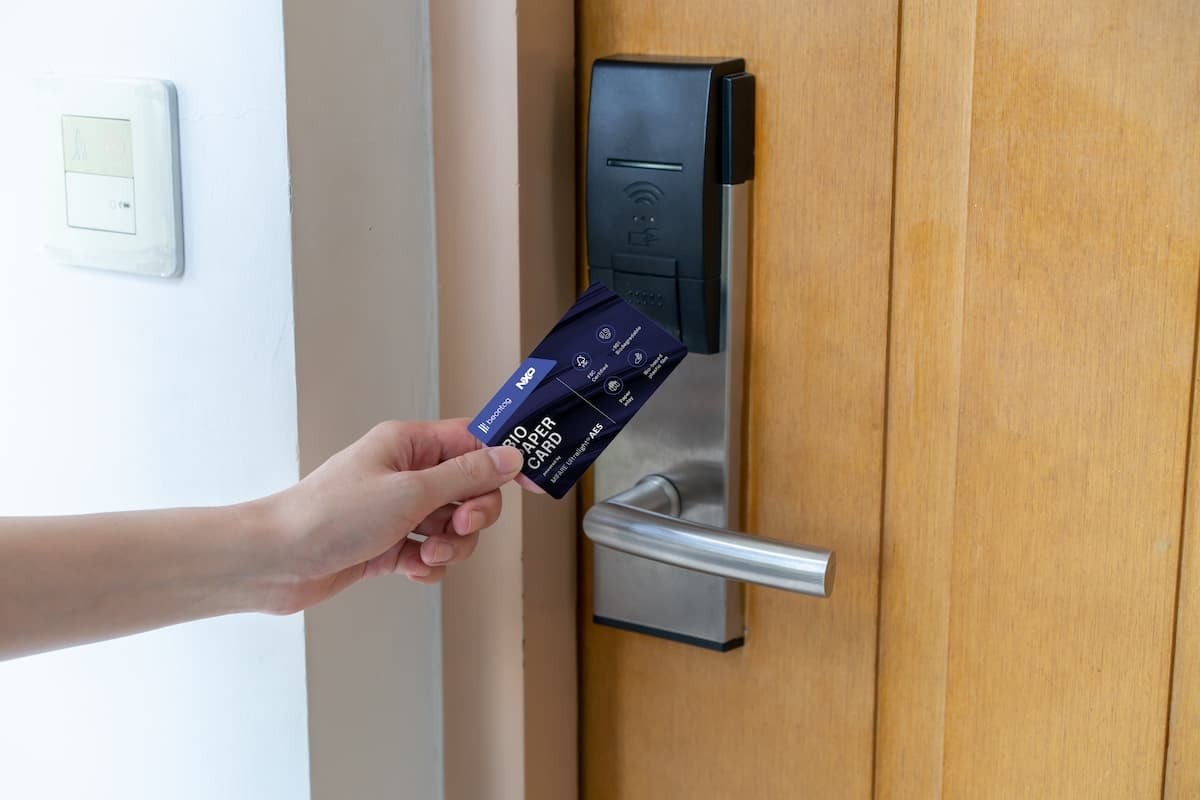
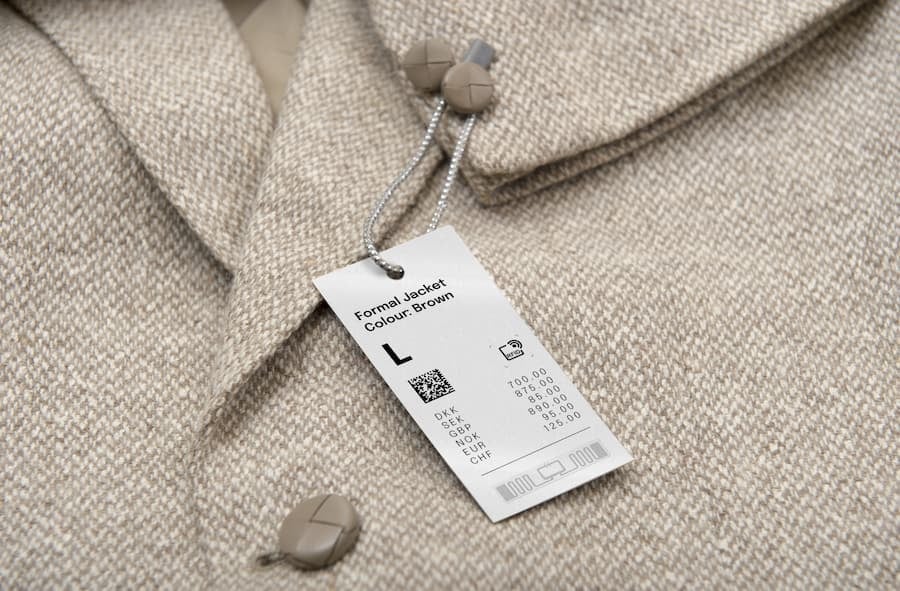
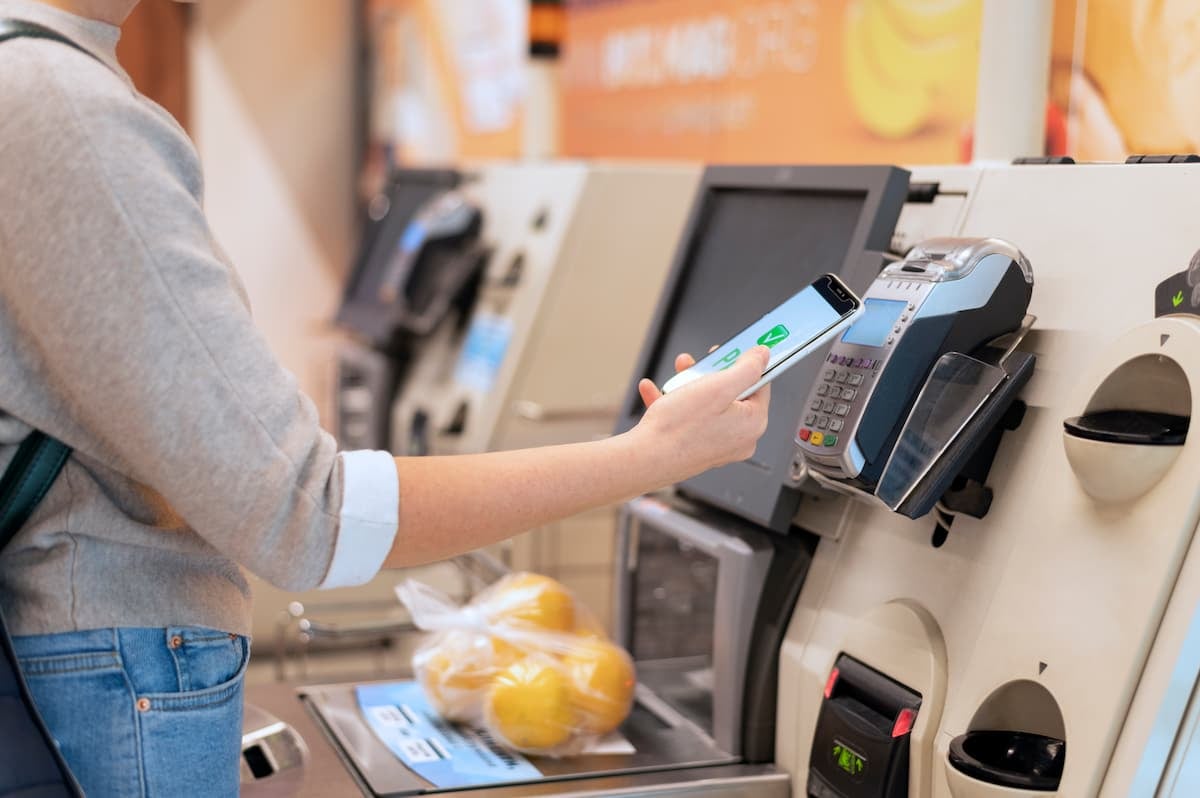
Common RFID use cases include supply chain management, retail inventory tracking, and warehouse automation.
For example, retailers use RFID to monitor stock levels in real time, reducing shortages and improving customer satisfaction.
In healthcare, RFID tags track medical equipment and patient records, ensuring safety and compliance.
These applications highlight the scalability and reliability of RFID technology across industries.
Check out more applications available for RFID tags and labels:
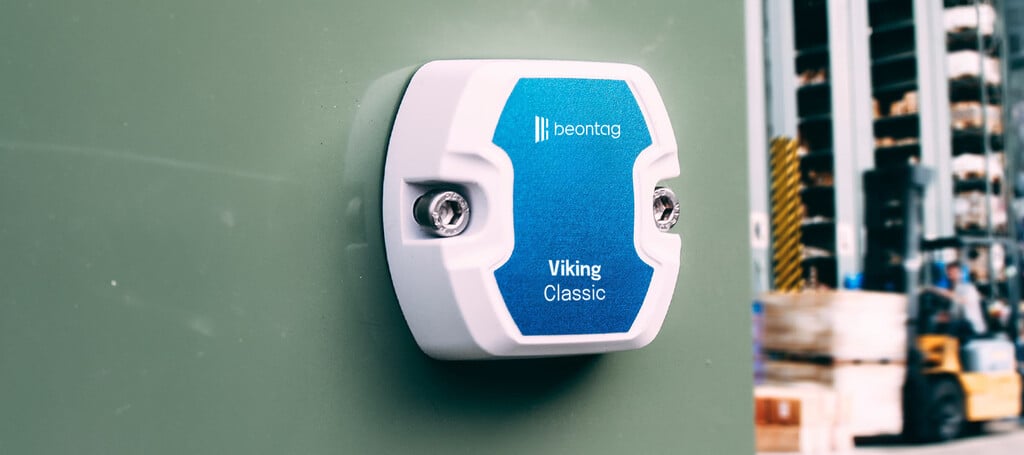
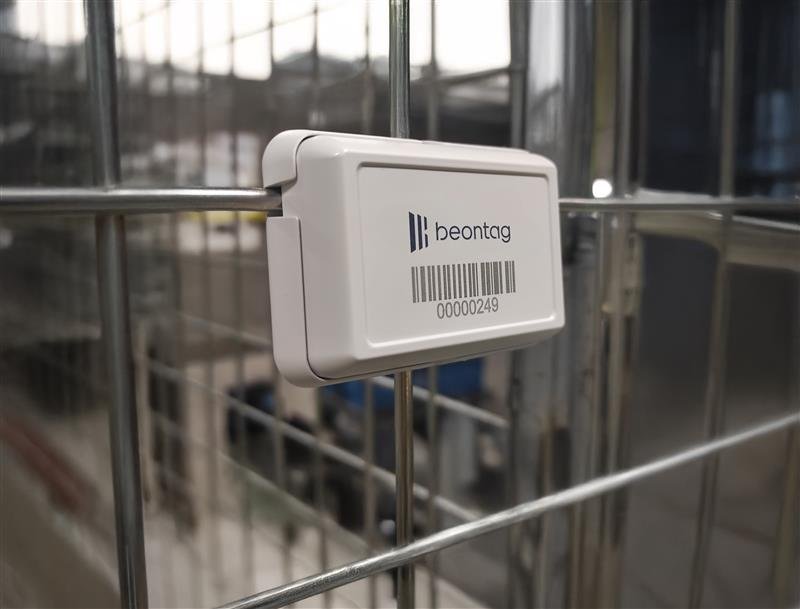
Bluetooth Low Energy (BLE) tags are a newer innovation designed to meet the demands of real-time tracking and IoT applications.
BLE technology uses low-power Bluetooth signals to connect devices and transmit information, making it ideal for continuous monitoring with minimal energy consumption.
BLE tags often operate with mobile devices and gateways, providing seamless integration into modern digital ecosystems.
Unlike traditional RFID, BLE tags do not require specialized readers, which reduces infrastructure costs and makes them highly versatile.
Their extended range compared to passive RFID also allows businesses to monitor assets across larger spaces.
Use cases for BLE tags include smart buildings, employee safety monitoring, and high-value asset tracking.
In logistics, BLE tags enable real-time visibility of goods in transit, ensuring transparency across the supply chain.
In industrial environments, they support predictive maintenance by feeding live data into IoT platforms, ultimately boosting efficiency and minimizing downtime.
Check out more details for BLE technology and how it can improve your operations management.
When comparing BLE Tag vs RFID Tag, the most notable differences relate to range, costs, and compatibility with real-time applications.
Each technology has strengths and limitations that determine suitability for specific use cases.
RFID tags typically operate in three frequency bands:
Passive UHF RFID tags generally have a range of a few meters, while active RFID tags extend up to 100 meters.
BLE tags, however, can reach ranges of 30 to 100 meters without line-of-sight requirements, making them better for real-time tracking in open environments.
Cost is a key factor in choosing BLE Tag vs RFID Tag. Passive RFID tags are extremely affordable, often priced at just a few cents per unit, which makes them suitable for large-scale deployment.
Active RFID and BLE tags are more expensive, with BLE tags typically costing several dollars each.
However, BLE technology reduces infrastructure investments by leveraging existing mobile devices as readers.
The advantages of RFID technology can be summarized as follows:
The advantages of BLE technology stand out in real-time applications and IoT ecosystems:
The decision between BLE Tag vs RFID Tag depends on priorities such as cost, range, and real-time tracking needs. Below is a comparative overview:
| Feature | RFID Tags | BLE Tags |
| Types | Passive and Active | BLE only |
| Range | Passive: up to 5m; Active: up to 100m | 30–100m |
| Cost per Tag | Cents (Passive) to several dollars | Several dollars |
| Reader Requirement | Specialized readers | Smartphones and gateways |
| Real-time Tracking | Limited (Passive) / Moderate (Active) | Strong |
| Use Cases | Retail, logistics, healthcare | IoT, smart buildings, logistics |
Ultimately, RFID tags are better suited for high-volume, cost-sensitive applications, while BLE tags excel in real-time tracking and IoT integration.
Wanna see Beontag’s RFID and BLE solutions in action? Check out our cases:
Revolutionizing Luxury Fragrance with RFID Technology at Culti Milano
How The Glasgow Subway Modernized Ticketing with RFID Solutions
Venice Water Buses Streamline Ticketing with RFID
The short answer is: yes.
BLE and RFID can complement each other within the same asset tracking system.
By combining both technologies, organizations can balance cost efficiency with advanced real-time capabilities.
For example, RFID tags can be used for inventory checks and bulk monitoring, while BLE tags provide continuous tracking of high-value assets.
This hybrid approach ensures businesses benefit from the affordability of RFID and the advanced monitoring features of BLE.
Integration also supports scalability across industries. Supply chain operations may use RFID for pallets and BLE for high-risk shipments, creating a layered tracking ecosystem.
This flexibility helps businesses adapt to diverse needs while maximizing return on investment.
When it comes to real-time tracking, BLE tags have a clear advantage. Because BLE continuously transmits data, assets can be monitored in real time without the need for constant reader interaction.
This makes BLE particularly suitable for time-sensitive environments like hospitals, where patient and equipment visibility must be instantaneous.
Active RFID offers improvements but still falls short compared to BLE in terms of responsiveness and range.
BLE’s compatibility with mobile devices further strengthens its position in real-time tracking solutions.
That said, RFID remains an excellent choice for periodic tracking or environments where cost is the primary concern. The choice depends on whether real-time visibility is critical to operational success.
Both RFID and BLE technologies continue to evolve as part of broader IoT and supply chain innovations.
RFID systems are becoming more sophisticated, with improved read accuracy and integration with cloud platforms.
Emerging use cases in retail, healthcare, and manufacturing will continue to fuel adoption.
BLE technology, on the other hand, is closely linked to the expansion of IoT ecosystems.
With the growth of smart cities, connected vehicles, and wearable devices, BLE tags are expected to play a larger role in real-time data sharing.
Technology’s adaptability and compatibility with consumer electronics will further drive innovation.
Hybrid systems combining RFID and BLE are also gaining traction. By leveraging the strengths of both technologies, organizations can build comprehensive tracking solutions that adapt to multiple operational demands.
This convergence will shape the future of asset management and digital transformation.
Choosing between BLE Tag vs RFID Tag depends on your unique goals, but the right partner makes the decision easier.
At Beontag, we deliver cutting-edge RFID and BLE solutions tailored to industries like retail, logistics, healthcare, and beyond.
Explore our product portfolio and discover how advanced tagging technologies can transform your business.
Whether you need scalable RFID systems or IoT-driven BLE solutions, Beontag is here to guide your journey toward smarter asset management.
Visit our catalog to discover reliable resources or contact us now for personalized solutions.